
Walking into a quiet office on a Monday morning often sets the tone for the entire working week. If the desks are dusty, the kitchen surfaces feel slightly tacky, and the communal bins are overflowing, the psychological impact on a team is immediate. While a line manager might view a skipped cleaning shift as a minor saving on the monthly ledger, the actual financial repercussions ripple through the business in ways that are far more expensive than a service invoice. In many UK workplaces, the decision to reduce cleaning frequency is based on a misunderstanding of how hygiene directly dictates operational efficiency and risk management.
Inadequate hygiene standards do not just result in a messy workspace. They create an environment where equipment fails sooner, staff members take more sick leave, and the corporate brand is quietly eroded in the eyes of visitors. For facilities managers, managing office cleaning costs requires a shift in perspective. It is not an overhead to be squeezed, but a strategic investment in asset protection and human capital. When cleaning is treated as an optional extra rather than a core business function, the hidden costs begin to accumulate almost immediately.
The Direct Link Between Hygiene and Staff Productivity
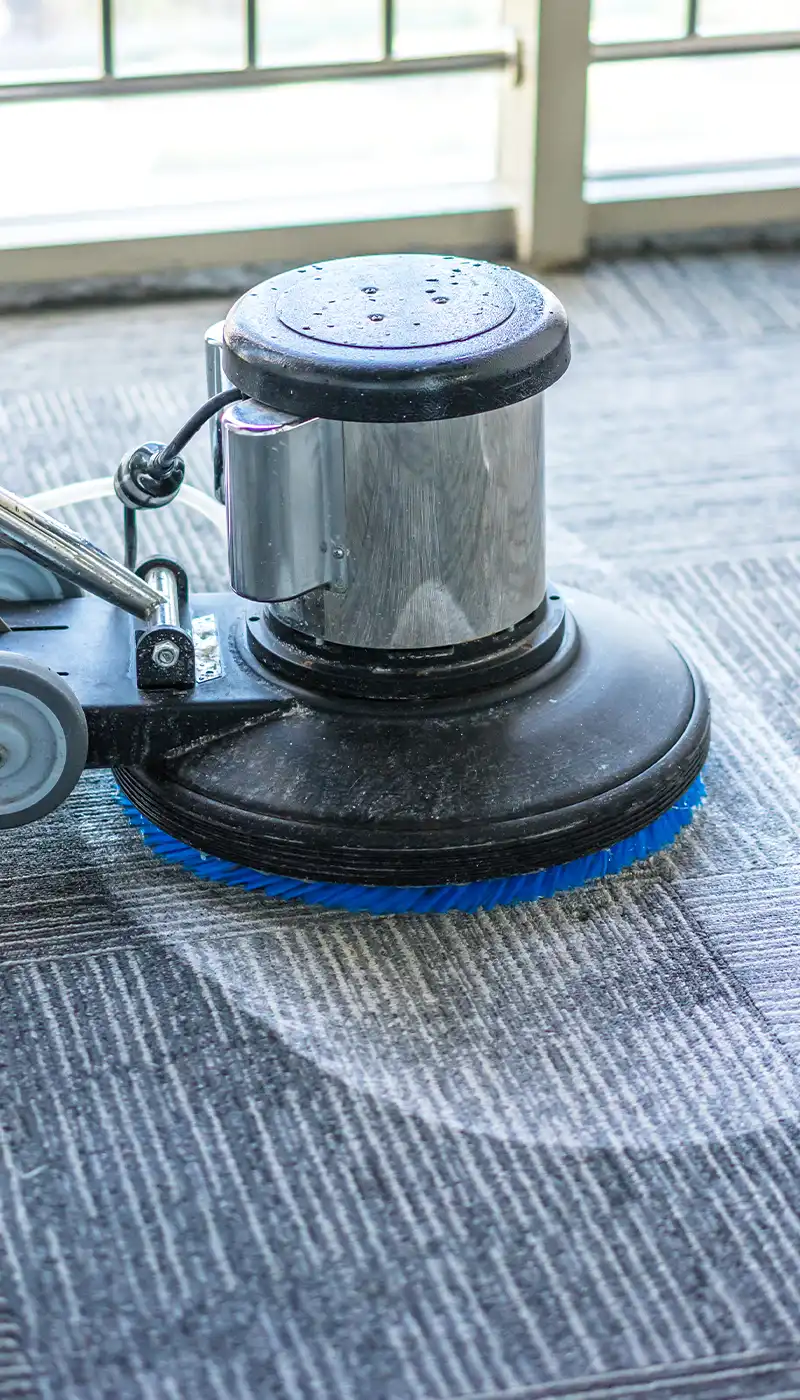
Most business leaders recognise that a comfortable environment helps people work better, yet few quantify the damage caused by a neglected office. Accumulated grime and poor air quality are not just aesthetic issues. They are physical distractions that pull focus away from high-value tasks. When employees feel they have to wipe down their own desks or avoid the staff kitchen because it feels unsanitary, the business loses billable hours to low-level maintenance tasks that should have been managed professionally. By exploring how poor office cleaning could be killing productivity, it becomes clear that the mental friction of a dirty office is a significant drain on output.
Professional cleaning teams follow systematic processes that address areas staff often overlook. This includes sanitising high-touch points such as door handles, lift buttons, and shared printer panels. Without this daily intervention, these surfaces become vectors for seasonal illnesses. A single outbreak of norovirus or a particularly nasty cold can wipe out an entire department for a week. The cost of those lost workdays far exceeds the price of a daily cleaning contract. Business owners often find that professional office cleaning is worth it simply for the reduction in unplanned absenteeism alone.
Workplace Health Risks and Regulatory Compliance
The Health and Safety at Work etc. Act 1974 places a clear duty on employers to provide a safe working environment. This extends beyond fire exits and ergonomic chairs to include basic hygiene and the control of substances hazardous to health. Frequent skipping of cleaning duties can lead to the build-up of allergens, mould in damp areas, and dust mites in carpets. For staff with respiratory issues or allergies, these are not mere inconveniences but genuine workplace health risks that could lead to formal grievances or even legal challenges.
A dependable cleaning partner provides a layer of protection through documented processes and high standards. Our approach is built on accountability, ensuring that every task is tracked and every operative is trained to recognise potential hazards before they become incidents. By reviewing our accreditations, clients can see the rigorous standards we adhere to, ensuring their premises remain compliant with UK health and safety guidelines. This systematic approach transforms cleaning from a chore into a risk mitigation strategy.
How Often Should You Clean Your Office?
Determining the correct frequency for site maintenance is a balance of footfall, site usage, and the nature of the work being done. A high-traffic reception area will require different care than a small, low-occupancy satellite office. The question of how often you should clean your office depends on maintaining a baseline of safety that prevents the environment from degrading. Daily cleaning prevents the compounding effect of dirt, where light dust becomes ingrained grime that requires expensive deep cleaning to rectify.
When shifts are skipped, certain areas suffer more than others. In many buildings, there are everyday items in offices that never get cleaned properly by anyone other than a trained professional. Computer keyboards, telephone handsets, and the undersides of communal tables are hotspots for bacteria. Professional cleaners use specific chemicals and techniques to deal with these areas, ensuring that the office is not just visibly tidy, but clinically clean. This level of detail is what separates a quick tidy-up from an expert service.
Managing the Office Cleaning Budget Without Sacrificing Quality
Pressure on facilities budgets is a reality for many UK firms, but cutting corners on cleaning is often a false economy. The goal should be to achieve commercial cleaning ROI by optimising the schedule rather than eliminating it. Understanding how much office cleaning costs allows managers to make informed decisions about which services are essential and which can be adjusted. A transparent provider will break down costs so you can see exactly where your investment is going, whether that is in high-grade materials or staff who are motivated to do a thorough job.
Price transparency is vital for long-term partnerships. Many procurement teams look at office cleaning costs per square foot to benchmark their spending. However, the lowest headline price often hides a lack of depth in the service. A cheap contract might omit high-level dusting or the sanitisation of communal electronics, leaving the business exposed to the hidden costs of poor cleaning mentioned earlier. It is better to have a structured, lean cleaning plan that happens daily than a comprehensive one that is constantly cancelled due to budget constraints. You can find more detail on what office cleaners charge and how to get the best value by looking at the service levels provided versus the flat fee.
The Subtle Art of Employee Morale and Hygiene
There is a strong emotional component to hygiene that is often ignored in financial spreadsheets. When a company invests in a clean office, it sends a clear message to the workforce: you are valued, and your health matters. Conversely, a neglected office can make staff feel like an afterthought. High-quality office cleaners act as silent guardians of the office culture, ensuring that communal areas are inviting and desks are ready for a fresh start each day.
Psychologically, people are more likely to take pride in their work when their surroundings reflect that same level of care. There are at least 6 ways a cleaner office boosts employee morale instantly, ranging from reduced stress levels to a stronger sense of professional identity. In an era where many businesses are trying to encourage staff back into the office, the environment must be superior to the home office. If the commute ends in a workspace that feels dingy or unhygienic, the resistance to office-based work will naturally increase.
What Professional Cleaners Notice That Staff Miss
Professional operatives are trained to look at a room differently. While an employee sees a boardroom, a cleaner sees the dust on the picture frames, the fingerprints on the glass, and the crumbs in the carpet pile. The things office cleaners notice that staff always miss are often the very things that clients and visitors pick up on subconsciously. A visitor might not be able to name why an office feels shabby, but they will leave with a lower opinion of the firm if the hygiene standards are lacking.
Experienced teams also know the office cleaning secrets your staff wish you knew, such as the importance of regular carpet agitation to extend the life of the flooring or the need for specific cleaning agents for modern surfaces. These technical details represent the difference between a surface that looks clean and one that is being actively maintained for longevity. This preventative cleaning benefit helps defer the capital expenditure of replacing furniture and flooring prematurely.
Protecting Your Business Assets Through Maintenance
An office is a collection of expensive assets, from IT hardware to bespoke furniture and soft furnishings. Dust is one of the primary enemies of electronic equipment, clogging fans and causing components to overheat. By neglecting the daily removal of dust, businesses are essentially shortening the lifespan of their technology. Daily cleaning acts as a form of light maintenance that keeps everything running smoothly.
Implementing a clear strategy for how to keep your office clean involves a partnership between the cleaning team and the office occupants. Clear desk policies, for example, allow cleaning teams to sanitise work surfaces effectively without the risk of disturbing important documents. This synergy ensures that the office remains a high-functioning hub rather than a cluttered storage space. When you learn more about us, you will see that we focus on these collaborative processes to ensure the best possible results for every client.
The real cost of skipping office cleaning is not found in a single invoice, but in the slow erosion of productivity, the increased rate of equipment failure, and the heightened risk of illness. A daily cleaning schedule provides a consistent, dependable foundation for any business, ensuring that the environment supports the people within it rather than hindering them. If you are ready to move away from reactive cleaning and towards a professionally managed system that protects your bottom line, we invite you to contact us to discuss a tailored solution for your workspace.


