
A professional commercial cleaning routine keeps the main areas of an office presentable, but there are several everyday items that are consistently overlooked or cleaned incorrectly.
These items often become germ reservoirs, contributing to the spread of seasonal illnesses and affecting overall office hygiene. Understanding these blind spots is the first step toward a healthier, more productive workforce. Below, we identify eight common office items that rarely receive the attention they deserve, along with practical steps to ensure they meet professional hygiene standards.
1. Computer Keyboards and Mice
It is a well cited statistic in the cleaning industry that the average keyboard can harbour more bacteria than a toilet seat. Despite being the most used tool in the office, keyboard cleaning is frequently neglected because staff are wary of damaging the electronics or simply lack the correct supplies.
Keyboards and mice should be part of your weekly desk cleaning routine. For hot desking environments (shared desks), this should be done daily.
2. Communal Kitchen Sponges and Cloths

The communal kitchen is often the heart of the office, but it is also a primary site for cross-contamination. While many focus on the surfaces, the tools used to clean those surfaces, sponges and dishcloths, are often the dirtiest items in the building.
The Fix
Replace regularly: Sponges should be replaced weekly.
Switch to microfibre: Microfibre cloths can be laundered at high temperatures (60°C and above) to kill bacteria.
The two cloth rule: Use one cloth for dishes and a separate, colour coded cloth for surfaces.
3. Office Chairs
When we think of office cleaning, we often think of the desk surface, but we rarely think about the chair. Armrests are high touch surfaces that collect skin cells, sweat, and oils from hands and forearms throughout the day. The seat itself is equally important and should be included in the same routine.
Cleaning Methods
Most chair armrests are made of plastic or upholstered foam.
For plastic: Use a multipurpose disinfectant cleaner and a microfibre cloth.
For upholstery: Use a fabric safe sanitising spray.
Because people often touch their faces after resting their arms on these chairs, keeping them clean is a vital part of disinfecting office spaces.
4. The Buttons on Appliances
In a busy office, the buttons on appliances like the toaster, kettle, and coffee machine are touched by almost every member of staff before 10:00 AM. While the crumb tray or drip tray might get a rinse, the buttons and handles are rarely included in a standard office cleaning schedule.
The Step by Step Fix
Apply a food safe sanitiser to a cloth. Never spray directly onto the machine, as this can cause electrical shorts.
Wipe the buttons, the handle of the kettle, and the water tank lid.
Allow to air dry to ensure the disinfectant has the required contact time to work.
These should be wiped down daily as part of the afternoon tidy-up.
5. Telephone Handsets and Headsets
Even in an age of video calls, desk phones and shared headsets remain common. These items are held close to the mouth and ears, making them a significant risk for the transmission of respiratory infections.
Hygiene Best Practice
Headsets: Personal headsets should be cleaned weekly with alcohol free sanitising wipes to avoid irritating the skin. Ear pads should be replaced if they become worn or porous.
Handsets: The mouthpiece of a desk phone should be wiped daily.
Opting for an accredited commercial cleaner ensures this level of detail is built into the routine rather than left to chance.
6. Photocopiers, Printers, and Touchscreens
The combined printer and photocopier is a classic example of a high touch surface that is invisible to the average cleaner. Dozens of people touch the start button or the touchscreen every day, often right after eating at their desks or returning from outside. Many offices also use smart sign-in tablets, which require direct contact from every visitor and member of staff. These surfaces accumulate bacteria rapidly if they are not included in the cleaning schedule.
Cleaning Tip
Screen safe wipes are essential here. Harsh chemicals can cloud or damage the sensitive touchscreens found on modern office equipment. Ensure your cleaning checklist specifically mentions the printer station and any other touchscreen devices used by multiple people.
7. The Underside of Desks
While the tops of desks receive regular attention, the undersides are often neglected for years. This is where dust accumulates and, in some cases, where dried chewing gum is found.
Accumulated dust under desks can trigger allergies and affect air quality, particularly in offices with poor ventilation. A deep clean session should always include low level vacuuming and a wipe-down of desk legs and undersides to remove these hidden allergens.
8. Light Switches and Thermostats
Because they are often at eye level, light switches and thermostats tend to be assumed clean. In reality, they are among the most germ laden spots in any building. They are touched by hands that have just come from the street, the bathroom, or the canteen.
A wipe with a disinfectant cloth is all it takes. This should be a mandatory part of every daily office cleaning schedule.
Managing the Costs of Better Hygiene
Improving the cleanliness of these eight items does not necessarily require a significant increase in budget, but it does require a clearer strategy. For facilities managers, the question often comes down to covering these tasks within the hours already allocated.
In many cases, it is about shifting the focus of the current hours worked rather than adding more. By providing a clear, itemised cleaning checklist, you can ensure your team is spending time on high impact hygiene tasks rather than repetitive surface polishing.
Why Professional Cleaning Standards Matter
Many small businesses attempt to handle these tasks with a DIY approach or by asking staff to clean their own areas. While well intentioned, this rarely results in a consistent standard.
Professional cleaners bring specialist knowledge, particularly regarding COSHH (Control of Substances Hazardous to Health) and the correct use of sustainable cleaning products. When you engage an accredited firm, you are paying for reliability and a verifiable standard of quality. Professional providers also understand how to balance cleaning frequency against the health requirements of your specific industry.
Your Office Hygiene Checklist
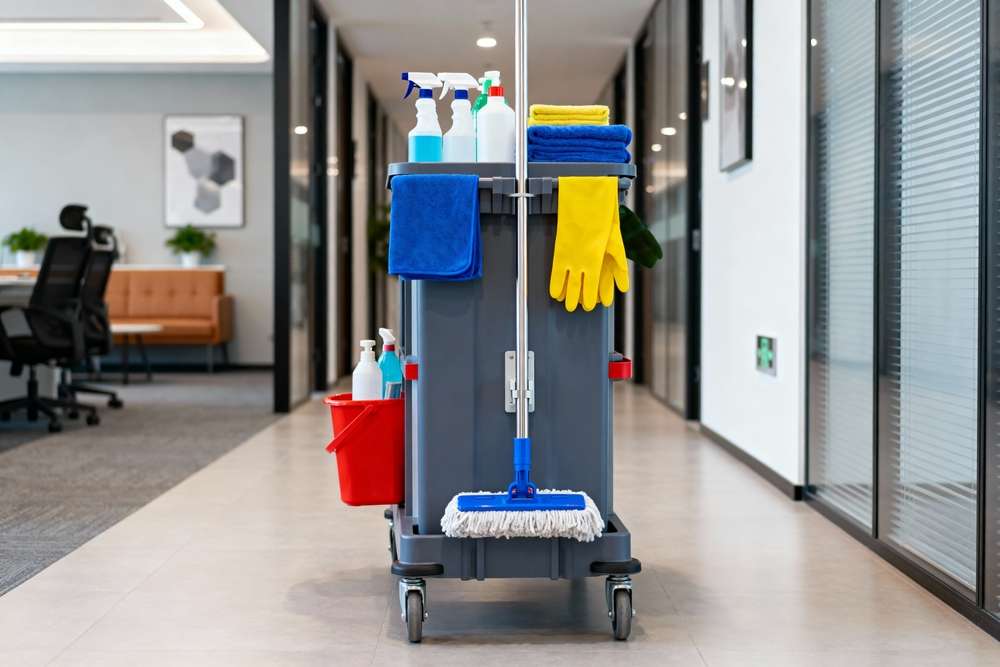
To help you get started, here is a simple checklist you can share with your team:
| Item | Frequency | Best Method |
|---|---|---|
| Keyboards and mice | Weekly | Compressed air and 70% alcohol wipe |
| Kitchen sponges | Replace weekly | Dispose and replace |
| Phone handsets | Daily | Sanitising wipe |
| Printer screens | Daily | Screen safe microfibre cloth |
| Light switches | Daily | Multi-surface disinfectant |
| Chair armrests | Weekly | Fabric sanitiser or damp cloth |
| Kettle handle | Daily | Food safe sanitising spray |
| Under desk area | Monthly | Vacuuming and wipe down |
Conclusion
Addressing these eight overlooked items can make a measurable difference to the hygiene standard of your workplace. It reduces the spread of germs, supports staff who suffer from allergies, and demonstrates a genuine commitment to employee wellbeing.
Effective office cleaning is a combination of daily discipline and periodic deeper intervention. At Sentrex, we build this level of detail into every cleaning programme we deliver. If you would like to understand how we approach office hygiene, contact us to discuss a site audit.


