Liverpool’s commercial property portfolio spans waterfront heritage buildings, contemporary office developments, retail destinations, healthcare facilities, and cultural institutions requiring coordinated maintenance addressing building fabric, mechanical systems, and compliance obligations. Royal Albert Dock manages Grade I listed waterfront buildings combining heritage preservation with contemporary commercial operations. Liverpool ONE manages 1.65 million square feet of retail and leisure space.
Liverpool Science Park and Baltic Triangle house technology and creative sector businesses within varied commercial environments. Royal Liverpool University Hospital manages extensive healthcare estate. Liverpool’s cultural quarter including the Museum of Liverpool, Tate Liverpool, and Liverpool Philharmonic Hall manages heritage and contemporary buildings serving millions of annual visitors. Sentrex delivers property maintenance addressing diverse building requirements across Liverpool’s commercial landscape.


Royal Albert Dock manages Grade I listed waterfront buildings housing retail, hospitality, cultural institutions, and commercial offices. Heritage architecture demands preservation-appropriate maintenance methods. Listed building status means conservation requirements coordinate with necessary repairs. Original dock structures including cast iron columns, brick warehouses, and period windows require specialist maintenance knowledge. Contemporary building services retrofitted into historic structures need careful management preserving architectural integrity.
Liverpool ONE manages 1.65 million square feet of contemporary retail and leisure development. Building services including HVAC systems, lighting, and plumbing require continuous operation supporting trading environments. Emergency repairs need rapid response minimising retail disruption. Planned maintenance schedules coordinate around trading hours avoiding customer-facing complications whilst ensuring building performance throughout operational periods.
Liverpool Science Park and Knowledge Quarter house technology businesses, research facilities, and digital sector operations. Modern commercial buildings support innovative businesses expecting reliable building performance. Research environments manage specialist requirements including laboratory services, environmental control, and specialist electrical infrastructure. Maintenance addresses both standard commercial requirements and specialist research facility needs.
Baltic Triangle creative district concentrates digital agencies, media companies, and creative businesses within converted warehouse and industrial buildings. Heritage architecture attracts businesses valuing characterful environments. Original building elements including exposed brickwork, period ironwork, and industrial features require specialist maintenance. Modern building services within historic structures demand careful intervention preserving architectural character.
Royal Liverpool University Hospital manages extensive healthcare estate. Building services support clinical operations continuously. Failure affects patient care directly. Infection control considerations affect maintenance procedures and material selection throughout clinical environments. Planned maintenance prevents disruption whilst emergency response addresses unexpected failures around the clock supporting continuous patient care.
Liverpool’s cultural quarter including Museum of Liverpool, Tate Liverpool, and Liverpool Philharmonic Hall manages heritage and contemporary buildings. Event programming creates variable maintenance demands. Heritage architecture requires preservation-appropriate approaches. Visitor facilities maintain standards supporting cultural experience throughout opening hours and event periods.
Reactive maintenance creates operational and financial problems. Emergency plumbing repairs disrupt business operations at critical moments. Unplanned HVAC failures affect working environments during important periods. Electrical faults risk safety whilst forcing closures. Emergency response costs exceed planned maintenance expenditure significantly whilst causing disruption traditional cost comparisons ignore.
Planned maintenance prevents failures through systematic inspection. Regular HVAC servicing identifies component wear before failure occurs. Plumbing inspections detect developing leaks preventing water damage. Electrical testing identifies deterioration before safety incidents arise. Roofing inspections catch minor defects before weather ingress damages building fabric and interior finishes.
Liverpool’s waterfront location creates specific planned maintenance considerations. Marine air affects building fabric through salt-laden atmospheric conditions accelerating corrosion and material deterioration. Royal Albert Dock heritage buildings face specific weathering challenges from waterfront exposure. Mersey estuary weather patterns create wind and rainfall exposure testing building envelope performance. Planned maintenance programmes account for Liverpool’s coastal environment rather than following generic schedules ignoring local conditions.
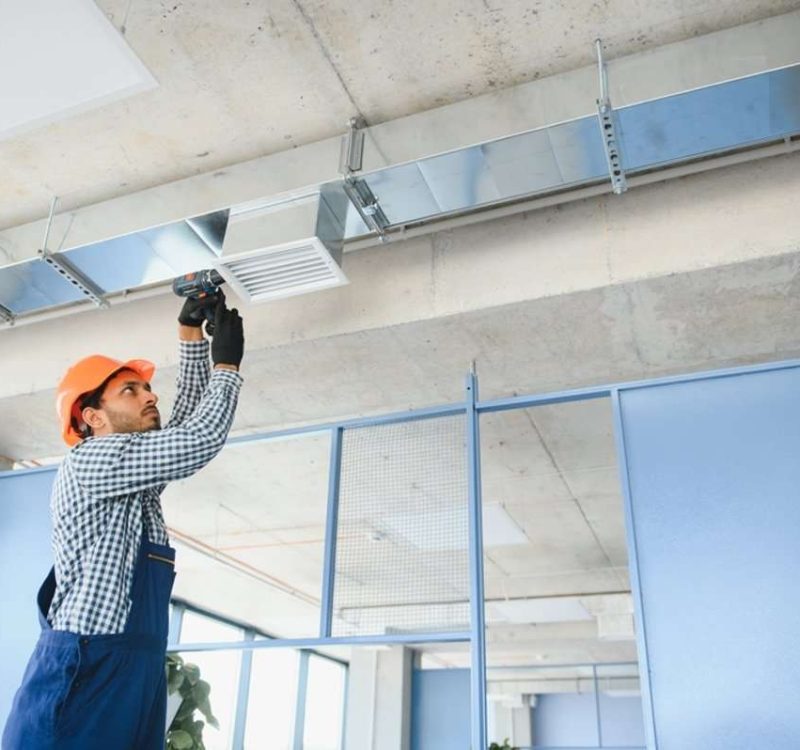
HVAC maintenance manages heating, ventilation, and air conditioning year-round. Liverpool’s coastal climate creates specific demands. Marine air affects ventilation system performance through salt-laden atmospheric conditions. Heritage buildings manage ventilation within historic structures requiring careful intervention. Healthcare facilities manage infection control through ventilation systems. Liverpool ONE’s extensive retail environment requires reliable environmental control supporting shopper comfort throughout trading hours.
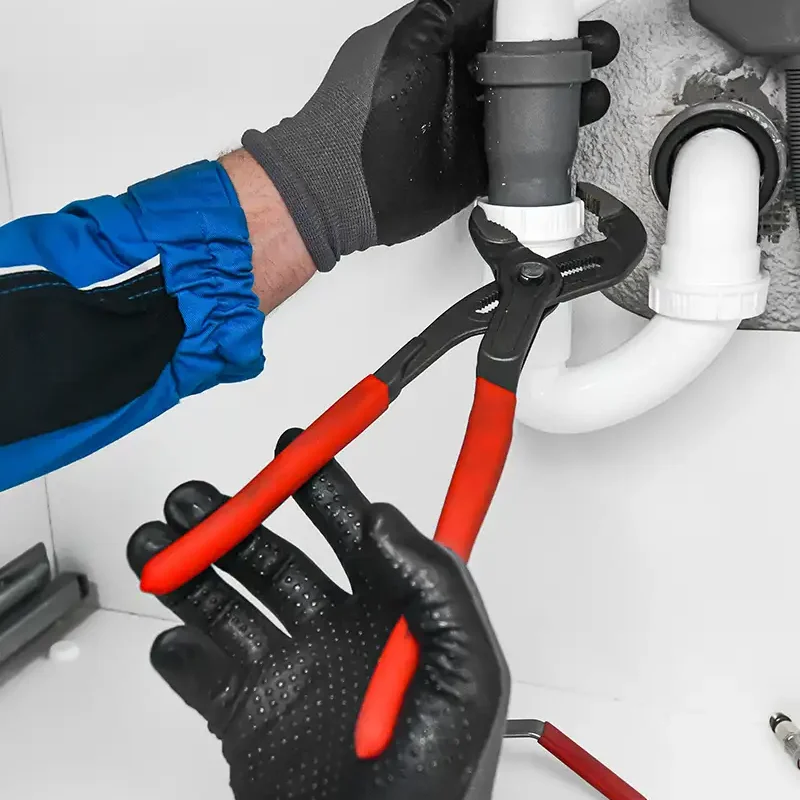
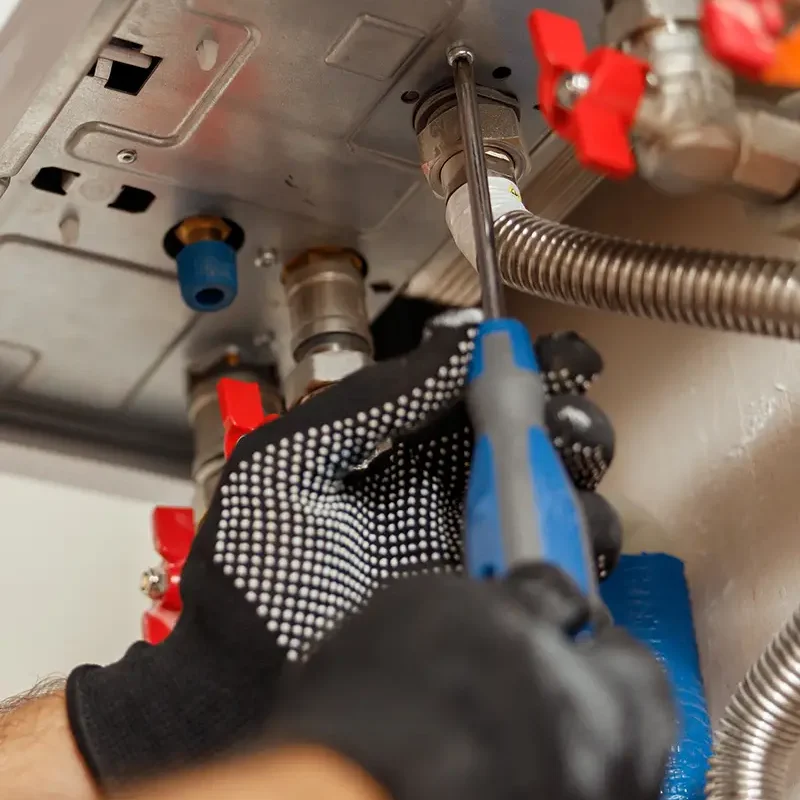
Plumbing services address water supply, drainage, and heating infrastructure. Royal Liverpool University Hospital requires water quality management including Legionella risk assessment and control. Royal Albert Dock heritage buildings manage original drainage systems alongside modern plumbing installations. Liverpool ONE serves thousands of daily visitors generating intensive washroom demands. Baltic Triangle converted buildings manage varied plumbing configurations within heritage structures.
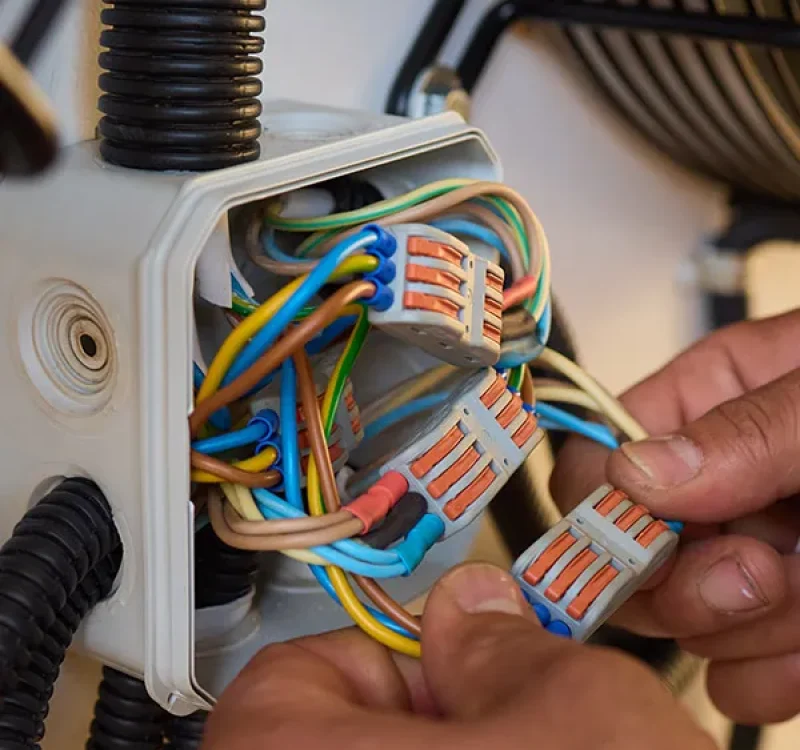
Mechanical and electrical services encompass power distribution, lighting, emergency systems, and access control. Liverpool Philharmonic Hall manages complex theatrical lighting and acoustic systems. Liverpool Science Park supports specialist research electrical infrastructure. Emergency lighting and fire alarm systems require regular testing ensuring life safety compliance. Access control manages building security across varied commercial property types throughout Liverpool.
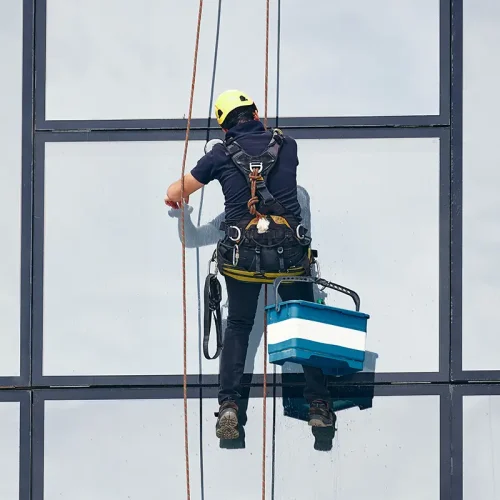
Building fabric maintenance addresses roofing, façades, windows, doors, and structural elements. Liverpool’s waterfront location creates specific challenges. Marine salt-laden air accelerates corrosion on metallic building elements. Wind exposure from Mersey estuary affects façade systems. Rainfall intensity tests roofing integrity across flat and pitched roof systems. Royal Albert Dock heritage buildings face enhanced weathering from direct waterfront exposure.
Handyman services manage minor repairs maintaining building presentation and functionality. Door hardware adjustments, minor carpentry repairs, decorative touch-ups, and general maintenance address issues before escalation. Responsive services maintain professional presentation preventing minor defects developing into major problems requiring expensive specialist intervention. Heritage buildings require particularly vigilant minor maintenance preventing small defects affecting historic fabric.
Baltic Triangle and Royal Albert Dock heritage buildings require specialist fabric maintenance. Period features including cast iron columns, original brickwork, and industrial ironwork need appropriate repair techniques. Modern interventions must achieve without damaging historic elements. Conservation-appropriate methods maintain architectural integrity supporting characterful environments attracting creative and commercial sector tenants valuing Liverpool’s industrial heritage.

Regulations and compliance encompass statutory testing, inspections, and certifications. Fire safety systems require regular testing. Emergency lighting needs functional verification. Electrical installations undergo periodic inspection. Gas safety checks ensure compliance. Legionella risk assessments prevent health hazards across varied Liverpool property types.
Liverpool’s diverse property portfolio faces sector-specific obligations. Royal Liverpool University Hospital satisfies CQC requirements and NHS estates standards. Listed buildings including Royal Albert Dock satisfy Historic England requirements alongside contemporary safety standards. Cultural institutions coordinate event licensing with fire safety certification. Liverpool ONE satisfies retail fire safety standards across extensive mixed-use development. Research facilities manage specialist compliance obligations other commercial environments don’t encounter.
Documentation proves compliance during inspections and audits. Maintenance records demonstrate systematic management. Test certificates evidence safety system functionality. Inspection reports identify remedial actions. Comprehensive documentation supports regulatory requirements whilst informing ongoing maintenance planning. Liverpool’s heritage buildings require additional conservation documentation demonstrating appropriate maintenance methods protecting historic fabric.

Property maintenance delivers maximum value within integrated facility management. Liverpool properties combine building maintenance with commercial cleaning and industrial cleaning creating comprehensive facility support through coordinated service delivery.
Single supplier relationships simplify management. Coordinated scheduling optimises resource deployment. Integrated reporting provides facility performance visibility. Consolidated invoicing reduces administrative burden. Strategic partnerships support long-term facility planning particularly valuable for heritage properties requiring sustained specialist knowledge across Liverpool’s varied commercial building types.
Our accreditations including CHAS, Safe Contractor, ISO 9001, and ISO 14001 demonstrate systematic approaches satisfying procurement requirements. Qualified tradespeople hold appropriate certifications addressing electrical, plumbing, gas, and mechanical disciplines. Insurance coverage protects all parties. Risk assessments address site-specific hazards before work commences across Liverpool’s varied commercial environments.
Our approach emphasises understanding Liverpool property operations across diverse sectors. Royal Albert Dock heritage buildings operate under different frameworks than Liverpool ONE contemporary retail development. Royal Liverpool University Hospital healthcare estate has different needs than Baltic Triangle creative sector offices. Cultural institutions face preservation obligations other commercial property types don’t encounter. Research facilities manage specialist requirements standard commercial maintenance doesn’t address.
Liverpool property managers operating heritage waterfront buildings, retail developments, healthcare facilities, creative sector offices, cultural institutions, or research facilities can contact us on 0333 240 1145 to discuss property maintenance addressing building-specific requirements, Liverpool’s coastal environment challenges, compliance obligations, and operational demands across the city’s diverse commercial property landscape.
