Bolton’s warehouse sector serves regional distribution across motorway corridors connecting Manchester, Lancashire, and Yorkshire networks. Logistics operations concentrate around Junction 5 M61 at Beaumont Park and Lostock industrial areas. Food distribution warehousing throughout Horwich and Westhoughton supports regional retail supply chains. Manufacturing support facilities across Farnworth, Kearsley, and Little Lever coordinate component distribution serving engineering sectors. Former textile mill conversions throughout Bolton town centre provide urban warehousing supporting last-mile delivery operations.
These facilities face contamination from packaging debris, product spillages, and vehicle movements whilst managing compliance obligations and operational schedules tolerating minimal disruption. Sentrex delivers warehouse cleaning addressing Bolton’s logistics landscape.


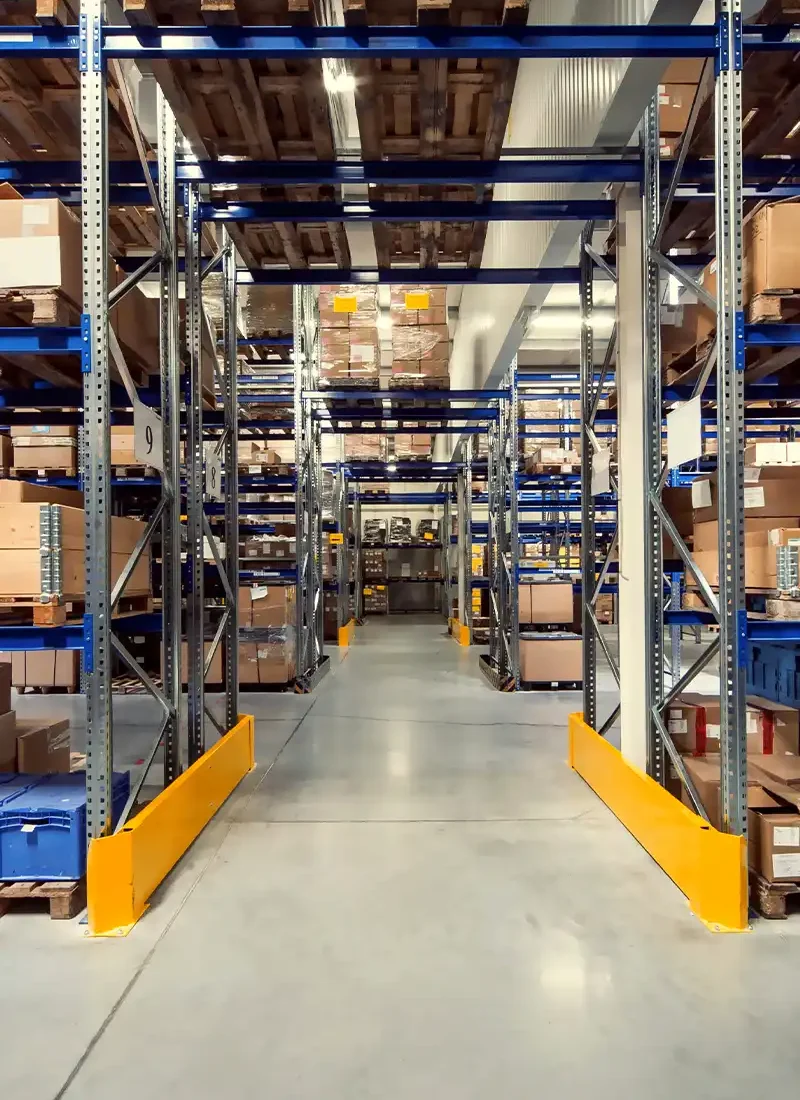
M61 Junction 5 area dominates Bolton’s warehouse concentration. Beaumont Park industrial estate houses third-party logistics providers managing varied client requirements across ambient and specialist storage. Proximity to motorway network enables rapid distribution serving Greater Manchester and Lancashire regions. Large-format warehouses generate extensive cleaning requirements across high square footage operations.
Horwich and Westhoughton concentrate food distribution warehousing supporting regional retail chains. Temperature-controlled facilities manage chilled and frozen storage. Raw material handling areas serve food production operations. Finished goods warehousing coordinates retail distribution. Each environment creates specific hygiene protocols beyond general warehouse cleaning.
Lostock industrial area accommodates diverse warehouse operations from automotive components to general distribution. Mixed-use facilities combine warehousing with light manufacturing. Component suppliers coordinate just-in-time delivery supporting regional engineering sectors. E-commerce fulfilment centres handle varied product types creating unpredictable contamination patterns.
Farnworth, Kearsley, and Little Lever industrial estates provide manufacturing support warehousing. Engineering component storage, packaging operations, and assembly logistics coordinate with Bolton’s manufacturing heritage. Clean component delivery affects customer quality systems. Storage areas accumulating dust contaminate parts before despatch.
Town centre mill conversions offer urban warehousing closer to residential areas. Former textile buildings provide last-mile delivery hubs serving Bolton and surrounding towns. Spatial constraints within heritage buildings create cleaning challenges. Access limitations affect equipment selection. Historic architecture needs appropriate cleaning methods.
Bolton warehouses accumulate contamination through predictable pathways. Product movement generates packaging debris. Cardboard dust becomes airborne through mechanical handling. Plastic film fragments collect in corners. Pallet wrap residue builds on floors. Why warehouses are so dusty relates directly to goods throughput volume and packaging materials processed daily.
Food distribution faces specific challenges. Product spillages need immediate response preventing pest attraction and cross-contamination. Temperature transitions between chilled storage and ambient loading areas create condensation affecting floor surfaces. Racking systems accumulate dust settling on stored product packaging. Loading bay areas track external contamination into hygiene-controlled zones.
Vehicle movements contribute significantly. Lorries track external dirt through loading bays. Moorland proximity means peat-based mud during wet weather. Diesel particulates settle on surfaces. Tyre debris builds on approach roads and internal yard areas. Loading bay cleaning becomes critical preventing contamination spread throughout warehouse environments.
Seasonal variations affect contamination types. Autumn brings leaf debris tracking into buildings. Winter creates salt residues from gritted roads damaging floor finishes. Spring pollen affects air quality. Summer heat intensifies bin odour management. Bolton’s Pennine weather patterns create specific cleaning demands traditional schedules ignore.
Bolton warehouses commonly make five costly warehouse cleaning mistakes including inadequate high-level cleaning allowing dust accumulation on racking and steelwork, insufficient loading bay maintenance tracking contamination throughout facilities, neglected drain cleaning causing flooding during operations, reactive-only spillage response allowing staining and slip hazards, and absent cleaning documentation failing audit requirements.
High-throughput logistics demonstrate how deferred maintenance compounds. Dust accumulating on conveyor systems transfers to product packaging. Customers receive items with visible contamination. Returns increase. Operational metrics deteriorate. The cost of inadequate cleaning exceeds prevention expenditure significantly.
Food distribution illustrates hygiene compliance risks. Inadequate cleaning fails retailer technical standards. Audit deficiencies threaten supply contracts. BRC certification needs documented cleaning schedules and verification procedures. Compliance failures create commercial consequences far exceeding cleaning investment.
Manufacturing support warehousing shows quality impact. Contaminated storage environments affect component cleanliness. Assembly operations reject parts needing rework. Manufacturing schedules suffer delays. Customer satisfaction deteriorates. The quality cost of poor warehouse hygiene extends beyond immediate cleaning concerns.
Deep cleaning versus daily maintenance addresses different contamination types. Daily maintenance manages operational debris, spillage response, and high-traffic area cleaning. Deep cleaning tackles accumulated contamination on high-level steelwork, embedded floor soiling, and racking system cleaning needing specialised access equipment.
Bolton’s food distribution facilities need intensive daily cleaning satisfying hygiene standards with quarterly deep cleaning addressing structural elements and racking systems. General distribution balances approaches based on client requirements and product sensitivity. Manufacturing support warehousing manages cleanliness affecting component quality through regular maintenance schedules.
Robotic floor machines suit Bolton’s large-format warehouses around M61 Junction 5. Autonomous scrubber dryers clean during operational periods without disrupting workflows. Consistent cleaning patterns maintain floor standards across extensive areas. Labour costs reduce whilst cleaning frequency increases supporting improved hygiene standards.
High-level cleaning addresses steelwork, racking systems, and roof structures accumulating dust invisible from ground level but contaminating stored products and affecting air quality. Bolton warehouses managing food distribution or precision components can’t tolerate high-level contamination affecting product quality or regulatory compliance.
Loading bay cleaning manages transition zones between external vehicle access and internal warehouse environments. This area experiences heaviest contamination from vehicle movements, weather ingress, and external debris. Inadequate loading bay maintenance allows contamination spread throughout facilities affecting overall hygiene standards.
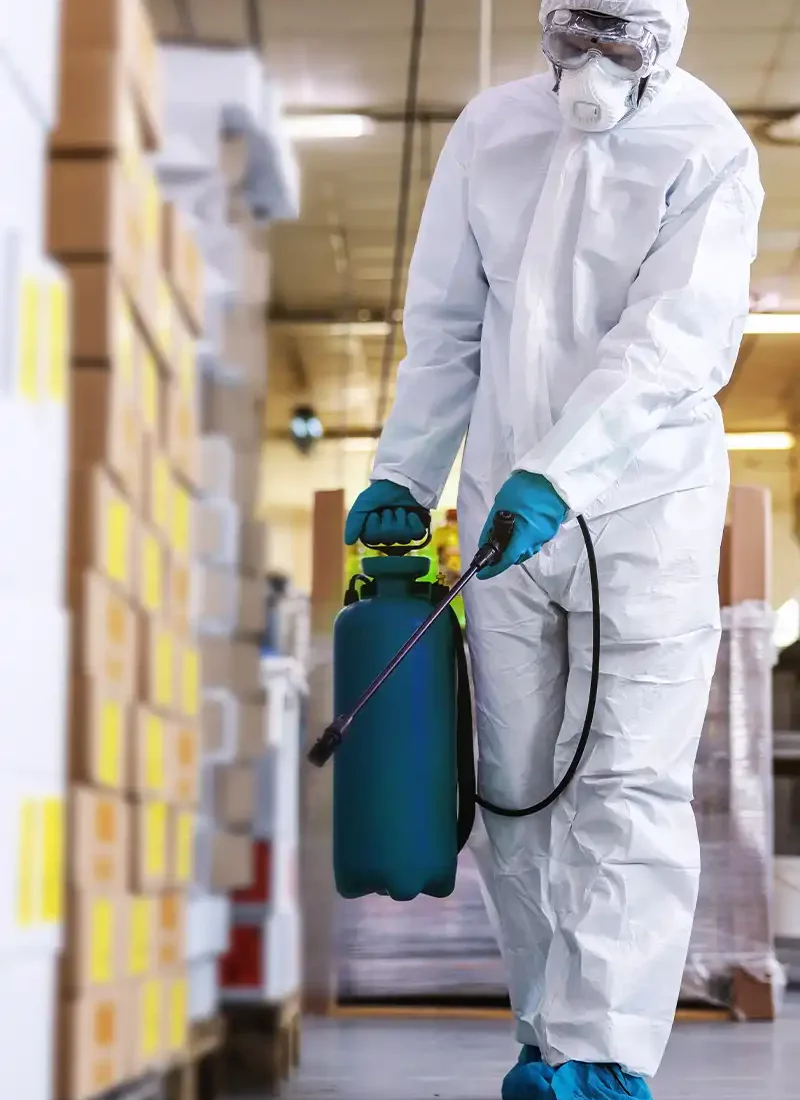
Warehouse cleaning regulations address multiple frameworks. HSE workplace standards need safe working environments including slip-resistant floors, contamination control, and documented cleaning procedures. Food warehousing satisfies BRC Global Standards and retailer technical requirements.
Bolton warehouses serving food production comply with temperature monitoring, pest control integration, and cleaning verification procedures. Retailer audits evaluate cleaning documentation, staff training records, and hygiene performance indicators. Industry regulations need proactive compliance management rather than reactive responses to identified deficiencies.
M61 Junction 5 logistics operators need cleaning coordinated around 24-hour operations. Autonomous floor cleaning maintains standards during operational periods. High-level cleaning schedules during lower-activity periods. Spillage response operates continuously addressing contamination immediately preventing spread.
Horwich and Westhoughton food distribution and temperature-controlled warehousing need specialized approaches. Chilled and frozen sections need cleaning without moisture introduction affecting environmental controls. Racked storage areas need access equipment reaching upper levels. Floor cleaning maintains slip resistance whilst managing food spillages and controlling pest attraction risks.
Manufacturing support facilities throughout Farnworth and Kearsley manage component cleanliness affecting customer quality systems. Storage areas, handling equipment, and despatch zones need regular cleaning preventing contamination transfer to precision components. Just-in-time delivery schedules mean cleaning coordinates around operational demands rather than imposing disruption.
Town centre mill conversions manage cleaning within spatial constraints and heritage building considerations. Access limitations affect equipment selection. Historic building elements need appropriate cleaning methods. Urban location means coordination with residential neighbours regarding noise and operating hours.
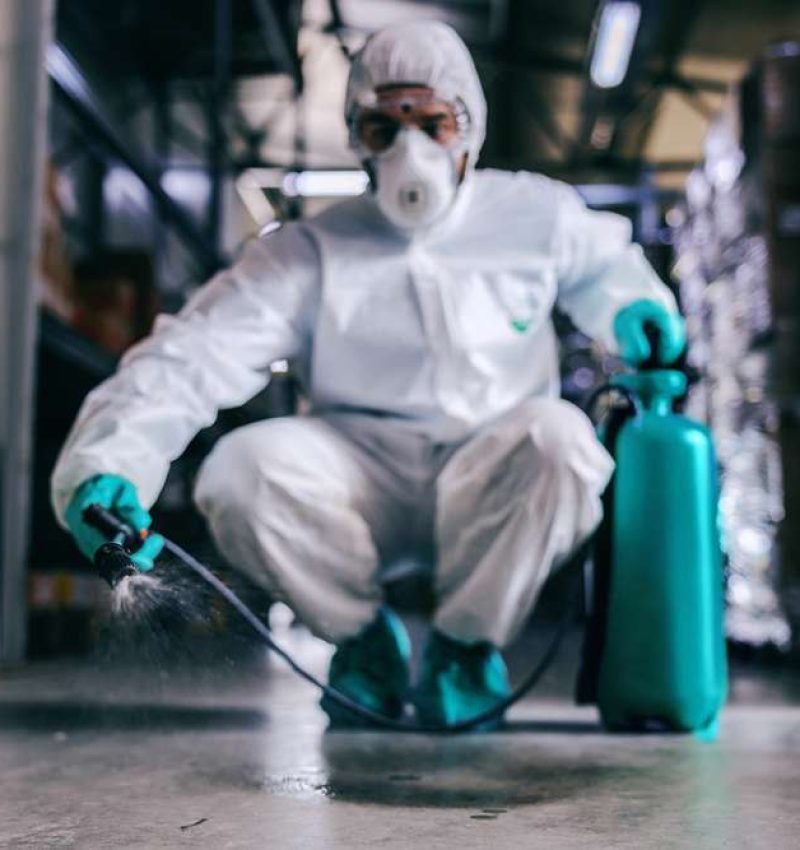
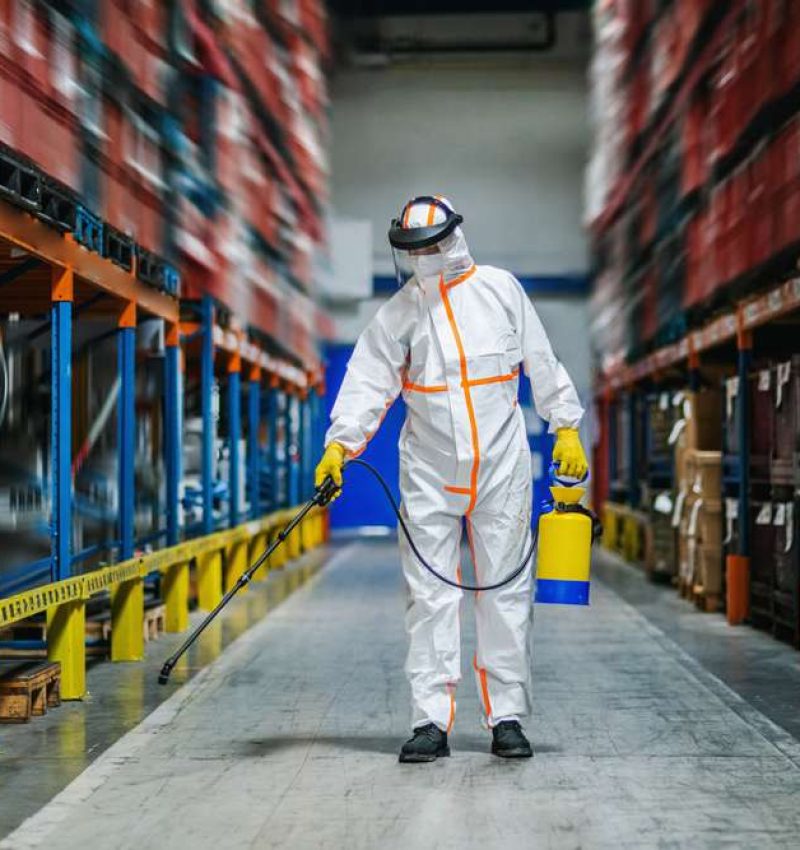
Bolton warehouse cleaning integrates with broader industrial cleaning and commercial cleaning requirements. Facilities combine warehouse operations with office areas, manufacturing spaces, or retail environments. Coordinated service delivery addresses diverse requirements through single supplier relationships simplifying management.
Our accreditations including CHAS, Safe Contractor, ISO 9001, and ISO 14001 satisfy procurement requirements. Sector-specific expertise addresses food hygiene requirements and general logistics operations. GLAA licensing confirms legal compliance for labour supply supporting food sector clients.
Our approach starts with understanding Bolton warehouse operations across different sectors and locations. M61 Junction 5 large-format logistics operate differently than town centre mill conversions. Food distribution has different needs than general warehousing or manufacturing support facilities.
