Engineering workshops and fabrication facilities generate a distinct set of contamination challenges, combining metal dust, welding fume residue, cutting fluid, and swarf across production floors, machine bays, and welding areas. These environments demand cleaning that understands the materials and processes involved rather than treating a fabrication shop like a standard warehouse. Sentrex delivers industrial cleaning addressing engineering workshops and fabrication facilities across the UK’s industrial, manufacturing, and warehousing sector.


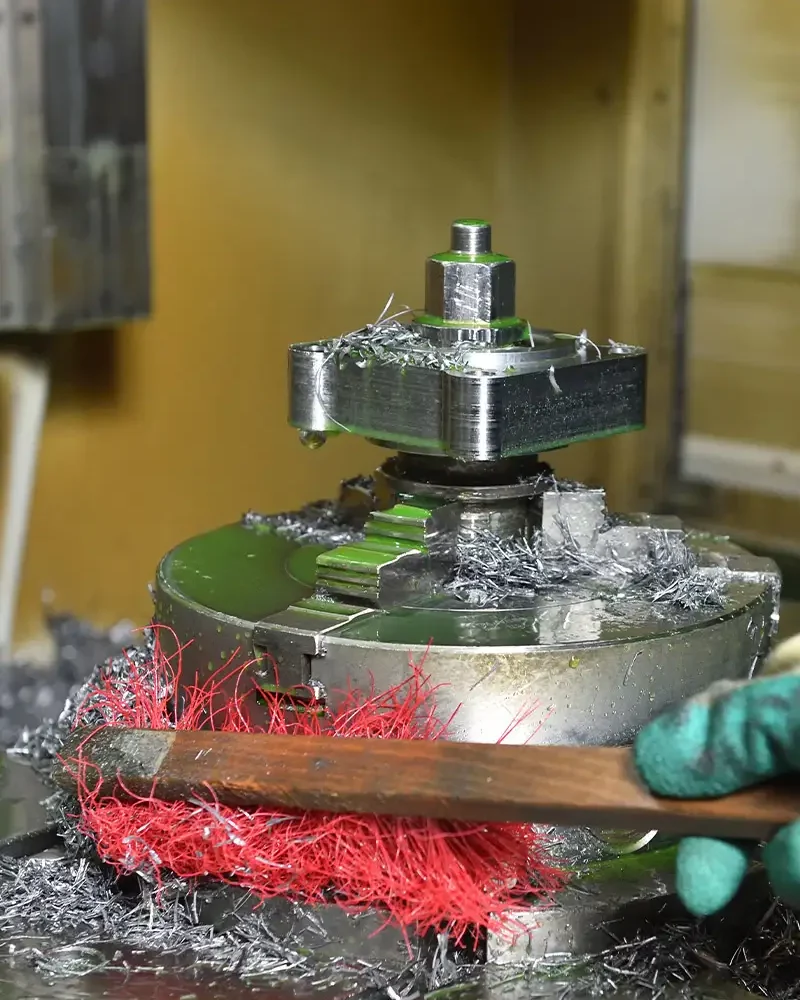
Workshop floors accumulate metal filings, swarf, and cutting fluid residue throughout each working day, creating a surface that becomes increasingly hazardous without regular attention. Welding bays generate their own contamination in the form of fume residue and spatter, settling across nearby surfaces and equipment.
Machine shops housing lathes, mills, and cutting equipment require cleaning that addresses both the machinery itself and the surrounding floor area, where oil and coolant spillage create slip hazards if left unaddressed. Fabrication areas combining multiple processes within one open workshop space see contamination from several sources overlapping across the same floor.
Storage and staging areas for raw material and finished components need to stay clear of debris, supporting the accurate movement of stock through the workshop without the delays and errors that cluttered, contaminated surfaces create.
Metal dust and swarf present a different cleaning challenge to general industrial debris. Fine metal particulate can become airborne during cleaning if the wrong method is used, while larger swarf and offcuts need collection methods suited to sharp, potentially hazardous material.
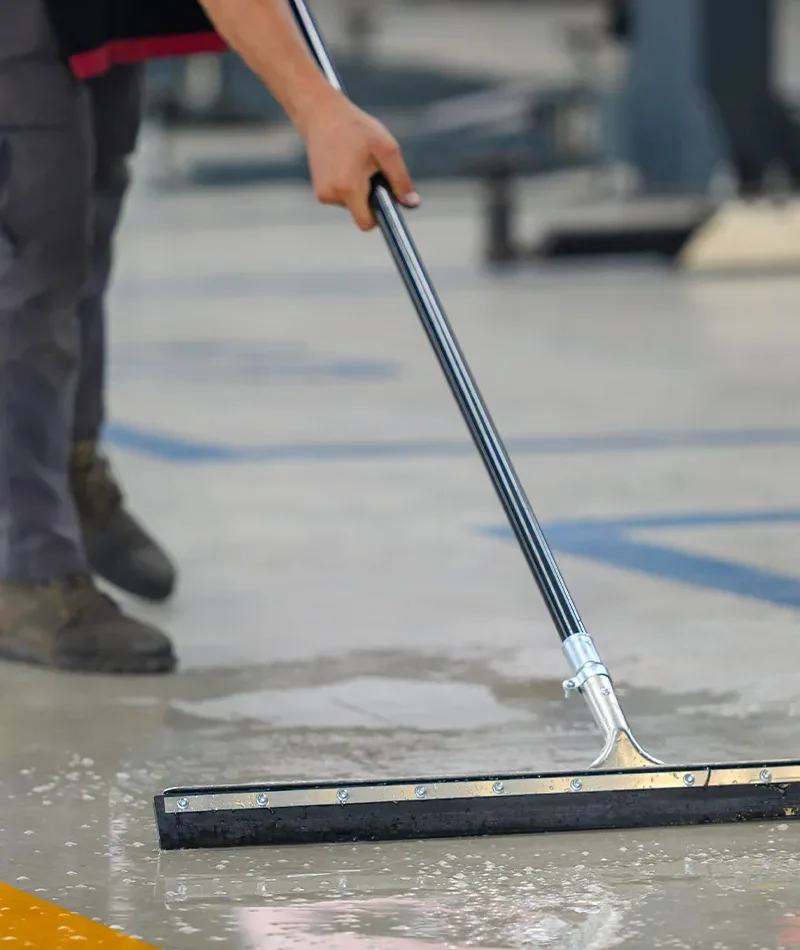
Welding fume residue settles as a fine layer across nearby surfaces, and standard cleaning products are not always suited to removing it effectively. Cutting fluid and lubricant residue left on workshop floors creates a slip hazard distinct from general dirt, requiring degreasing methods rather than standard mopping.
Standard commercial cleaning is not designed for any of this. Engineering workshops need cleaning teams who understand the materials involved and can select the right method for metal dust, fume residue, and lubricant contamination rather than applying a generic approach across every surface.
Machinery cleaning removes oil, coolant, and production residue from lathes, mills, and cutting equipment, supporting both operator safety and equipment longevity. Floor cleaning addresses metal filings, swarf, and lubricant residue across workshop floors, removing the slip hazards that accumulate around active machinery.
Industrial deep cleaning addresses planned shutdown periods, when workshops can undertake thorough cleaning across areas that live production makes difficult to reach safely, from overhead structures to areas behind fixed machinery.
Each service can operate independently or as part of a coordinated programme, allowing workshop managers to address the specific combination of floor, machinery, and building fabric cleaning their site requires.
Engineering workshops typically occupy large format industrial buildings with extensive roof and cladding areas, both of which require attention beyond the production floor. Cladding cleaning addresses external building surfaces, removing the grime and staining that accumulates across large industrial elevations over time.
Gutter cleaning addresses drainage across workshop roofs, an issue that becomes particularly important given the large roof areas typical of engineering and fabrication buildings. Blocked drainage on this scale leads to water ingress affecting stock, equipment, and finished components stored beneath.
Engineering and fabrication work generates hazardous waste streams including used oils, coolants, and contaminated materials requiring careful, compliant handling. Our hazardous waste cleaning service manages these materials safely, working alongside our wider waste management support to keep workshops compliant.
COSHH regulations govern the handling of chemicals and hazardous substances present throughout engineering and fabrication work, from cutting fluids to welding consumables. Our guide to COSHH compliant cleaning across production shifts sets out how cleaning schedules integrate with continuous workshop operation without compromising safety or compliance.

Metal dust and general workshop debris accumulate gradually, often without workshop managers noticing until the build up becomes a visible problem. Our analysis of the shocking impact of dust build up in warehouses sets out how this accumulation affects air quality, equipment performance, and fire risk, considerations that apply equally to engineering and fabrication environments handling similar contamination.
Left unaddressed, dust build up settles into machinery, affecting performance and increasing maintenance demands over time. Regular, planned cleaning prevents this accumulation reaching the point where it becomes an operational or safety problem rather than a straightforward housekeeping task.
Our accreditations including CHAS, Safe Contractor, ISO 9001, and ISO 14001 demonstrate systematic approaches satisfying the procurement requirements engineering and fabrication businesses expect from every contractor on site. We deliver industrial cleaning across the wider region including Bolton, an area with a long engineering heritage and a strong concentration of workshops and fabrication businesses.
Our approach emphasises understanding engineering and fabrication environments rather than applying standard commercial cleaning methods to a specialist workshop setting. Engineering and fabrication facility managers can contact us on 0333 240 1145 to discuss industrial cleaning addressing workshop floor standards, machinery cleanliness, and compliance obligations across the sector.
