
Dust is so commonplace in warehouse environments that it can stop registering as a problem. It settles on racking, coats surfaces, and gathers in corners without triggering the same immediate response as a spill or a piece of damaged equipment. Yet the consequences of allowing dust to accumulate unchecked are far more serious than most facilities appreciate, spanning fire risk, equipment failure, regulatory liability, and the long-term health of the people working on site. This article examines what dust build-up actually does to a warehouse, and why addressing it systematically is one of the most important maintenance decisions a facility can make.
Why Warehouse Dust Is Not Just a Nuisance
The assumption that dust is a cosmetic issue, something that makes a space look neglected but does not fundamentally harm it, is one of the more costly misconceptions in warehouse management. Dust in industrial and logistics environments is not the same as household dust. It is a composite of fine particles from packaging materials, timber, concrete, metal, textiles, food products, and chemical residues, depending on what a facility handles. Each of these particle types carries its own risk profile, and in combination they create an environment that demands structured management rather than occasional attention.
Understanding why warehouses accumulate dust so rapidly and the specific risks involved is the foundation of any effective dust control strategy. The source, the volume, and the type of dust all inform how a cleaning programme needs to be structured to bring it under meaningful control.
The Fire and Explosion Risk
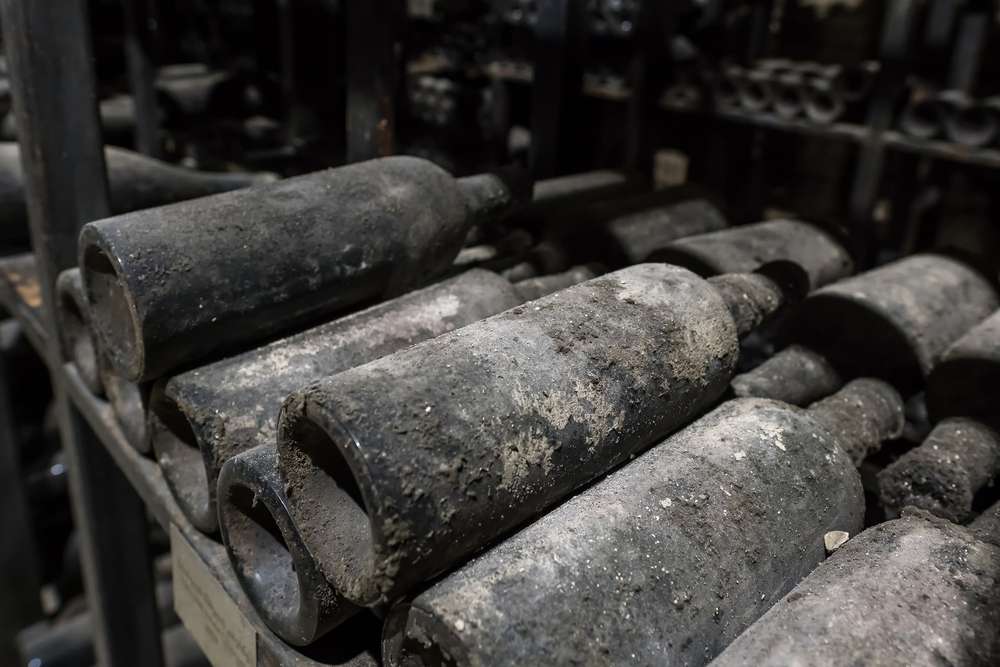
Of all the consequences of warehouse dust build-up, fire and explosion risk is arguably the least understood and the most serious. Combustible dust, including fine particles from wood, grain, sugar, flour, certain metals, and many synthetic materials, can form explosive atmospheres when suspended in air at sufficient concentrations. A build-up of this material on surfaces, in ductwork, on rafters, or above ceiling tiles represents a secondary explosion risk if an initial incident disturbs and ignites it.
The Health and Safety Executive’s guidance on combustible dust is explicit about the conditions under which dust becomes a serious ignition hazard, and the industries in which this applies are broader than many operators assume. Warehouses handling processed foods, paper goods, timber products, or certain chemicals are particularly exposed, but the risk extends to facilities that might not immediately recognise themselves as high-risk environments.
Dust, Ignition Sources and Regulatory Exposure
Compliance with fire safety legislation and the Regulatory Reform (Fire Safety) Order 2005 requires facilities to conduct and maintain fire risk assessments that account for all ignition risks on site. A dust build-up that has not been formally identified and managed represents a gap in that assessment. If an incident occurs and it emerges that dust accumulation was a known or foreseeable factor, the liability implications for the business are significant.
This is one of several reasons why warehouse cleaning regulations are not simply a housekeeping matter. They are part of a legal framework that carries real consequences when not met.
Health Risks to Your Workforce
The people working in a dusty warehouse are exposed to airborne particulates every shift. For most dust types, this means cumulative respiratory exposure that may not produce obvious symptoms in the short term but contributes to serious conditions over time. Fine particles that penetrate deep into the lungs are associated with occupational asthma, chronic bronchitis, and in cases involving specific materials such as silica or wood dust, a significantly elevated risk of more serious respiratory disease.
The HSE’s guidance on respiratory risks in the workplace makes clear that employers have a duty under the Control of Substances Hazardous to Health Regulations, commonly known as COSHH, to assess and control exposure to airborne hazards including dust. This is not discretionary. Facilities that cannot demonstrate active management of dust exposure risk enforcement action, improvement notices, and in serious cases, prosecution.
The Impact on Staff Wellbeing and Retention
Beyond the regulatory dimension, there is a human cost that is more difficult to quantify but no less real. Staff who work in persistently dusty environments experience higher rates of eye irritation, headaches, fatigue, and respiratory discomfort. Over time, this affects morale, attendance, and the ability to retain experienced team members in a sector where turnover is already a persistent challenge.
A well-maintained working environment has a measurable effect on how staff feel about their workplace, and dust is one of the most visible indicators of whether a facility is genuinely well managed or simply functional on the surface. Staff training that includes awareness of dust hazards and reporting procedures reinforces a culture of safety that goes beyond the cleaning programme itself.
Equipment Damage and Operational Cost
Dust does not stay on surfaces. It migrates into machinery, settles on electrical components, infiltrates conveyor systems, and coats sensors and filters. The consequences are gradual but compounding. Motors run hotter when their cooling fins are clogged with dust. Bearings wear faster when fine particles infiltrate lubrication points. Sensors give inaccurate readings when their lenses or contacts are contaminated. Filters fail to perform when they are overloaded.
The maintenance and replacement costs associated with dust-related equipment degradation are rarely attributed directly to poor housekeeping, because the connection is not immediately visible. The true cost tends to emerge in the form of increased breakdown frequency, shortened equipment lifespans, and the operational downtime that follows. Facilities that invest in consistent dust management typically find that maintenance costs reduce in parallel, a connection that is worth making explicitly when evaluating the value of a cleaning programme.
The following are among the most common equipment-related consequences of sustained dust build-up:
- Overheating and premature failure in motors, compressors, and electrical control panels
- Reduced accuracy and reliability in automated picking, scanning, and monitoring systems
- Blocked or degraded ventilation and extraction systems, reducing air quality across the facility
- Accelerated wear on conveyor belts, rollers, and moving components exposed to abrasive particles
Compliance, Inspection Readiness and Business Continuity

A facility managing dust poorly is a facility that is exposed. The Workplace (Health, Safety and Welfare) Regulations 1992 require employers to maintain a clean working environment, and the Health and Safety at Work Act 1974 places a broader duty of care on businesses to protect everyone on site. Dust accumulation that has been allowed to reach a point where it poses a visible risk to health or safety will be noted during any HSE inspection, and the response required is typically immediate.
The less obvious compliance risk is the one that builds before any inspection takes place. Warehouse sanitation standards and the hidden hazards that develop on warehouse floors are closely connected to dust management, because dust redistributed from elevated surfaces settles on floors, contaminates goods, and creates secondary slip and hygiene risks. Managing dust in isolation from the broader cleaning programme misses the systemic nature of the problem.
Businesses operating under food safety frameworks, pharmaceutical standards, or client audit requirements face an additional layer of scrutiny. Dust on racking above product storage, in loading bay areas, or near packaging lines can trigger non-conformances that affect contracts and accreditations, not just internal standards.
What Effective Dust Management Looks Like
Addressing warehouse dust build-up effectively requires more than a scheduled sweep of the floor. It requires a structured programme that accounts for elevated surfaces, ventilation systems, equipment housings, and the specific dust types present in the facility. The key elements of a robust approach include:
- High-level cleaning of racking, beams, rafters, and roof structures on a scheduled basis, using appropriate access equipment and extraction methods
- Regular attention to ventilation grilles, extraction ducting, and air handling units to prevent recirculation of settled particles
- Floor cleaning regimes that go beyond sweeping to address embedded contamination and fine particle accumulation
- Documented risk assessments that identify dust types, exposure levels, and the controls in place to manage them
Professional warehouse cleaning delivered by trained operatives with the right equipment makes it possible to maintain this standard consistently across large and complex facilities. Day-to-day operations cannot replicate the systematic reach of a professionally planned and executed cleaning programme.
At Sentrex, we work with warehouse and logistics facilities across the UK to develop cleaning programmes that address dust management as part of a wider commitment to compliance and operational resilience. Our accreditations reflect the standards we apply on every site, and our teams are trained to operate safely in live warehouse environments without disrupting the operation around them. For facilities requiring support across a broader range of site maintenance needs, our commercial services can be structured to fit.
If dust build-up is a concern in your facility, or if you want to understand what a structured cleaning programme could look like for your site, speak to the Sentrex team.


