
Warehouses sanitation is extremely important, especially if sensitive items are being moved through the warehouse. An unsanitary warehouse can lead to damaged goods and more. So how do you know if your warehouse is up to standard?
In this blog, we’ll explain warehouse sanitation and ask: is your facility up to standard?
Sentrex Services stands as a leading provider of comprehensive cleaning and hygiene solutions, serving a vast region from the Northwest to the Southeast of England. With a dedicated team of over 600 professionals, we deliver bespoke cleaning services tailored to the unique needs of each commercial client.
Are there laws regarding the level of warehouse sanitation?
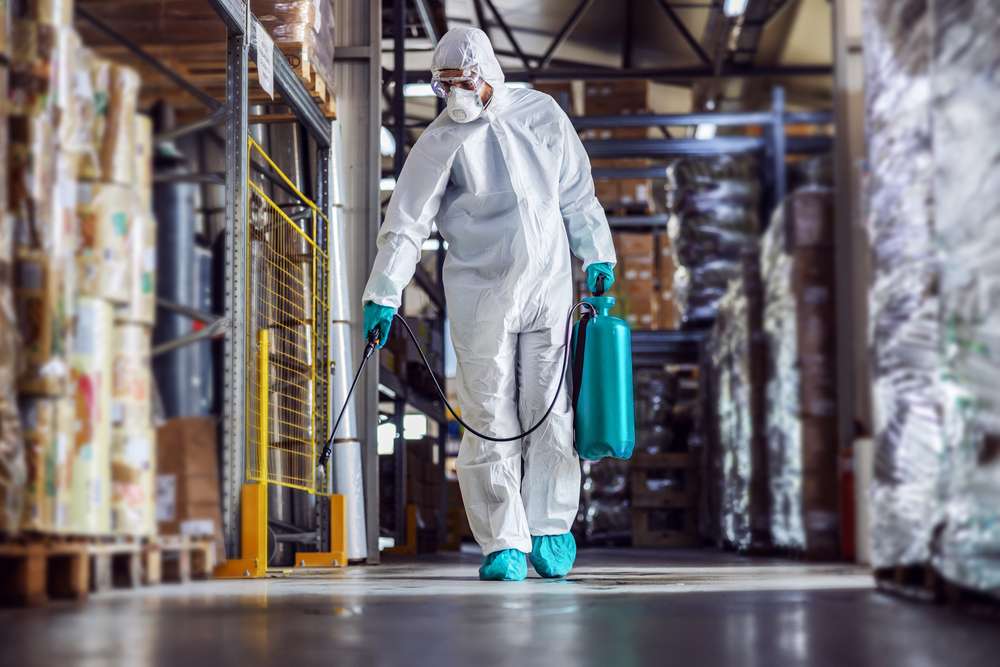
While there is no single “Warehouse Sanitation Act,” the legal framework places a clear duty on businesses to control risks from poor cleanliness.
The main laws are:
- The Health and Safety at Work etc. Act 1974: The overarching law that requires employers to ensure the health and safety of their staff.
- The Workplace (Health, Safety and Welfare) Regulations 1992: These regulations specify that workplaces must be kept clean, free from clutter, and have proper waste and sanitary facilities.
- The Control of Substances Hazardous to Health (COSHH) Regulations 2002: This legislation is crucial for managing dust, which is considered a hazardous substance. It requires employers to assess dust-related risks and implement controls like ventilation and proper cleaning.
- Food Hygiene Regulations: For warehouses handling food, additional strict laws apply to prevent contamination and ensure high standards of cleanliness and pest control.
Failing to meet these standards can lead to severe consequences, including fines and prosecution by the Health and Safety Executive (HSE). The level of prosecution will vary significantly depending on the individual circumstances.
7 signs your warehouse facility isn’t up to standard
A dirty warehouse isn’t just an eyesore; it’s a serious hazard to safety, a threat to employee health, and a risk to your business. While some mess is normal, certain signs indicate that your cleaning standards are falling short.
Here are seven key signs that a warehouse facility isn’t up to par:
1. Visible dust and debris
This is the most obvious sign. Look for more than just a light layer of dust. Heavy buildup on high surfaces like racking, pipes, and light fixtures is a major fire hazard, especially if the dust is combustible. You should also be checking for dirty floors, especially in high-traffic areas, and clutter like loose cardboard or packaging materials left in walkways.
2. Poor air quality
If the air feels stuffy, stale, or has a persistent musty smell, it’s a red flag. These odours can come from mould, bacterial buildup, or a ventilation system that’s just circulating dust instead of filtering it out. Poor air quality can lead to respiratory problems and allergic reactions among staff.
3. Neglected equipment
Dust and grime on machinery like forklifts and conveyor belts can lead to serious problems. It causes parts to wear down faster, motors to overheat, and can lead to costly breakdowns. Visible spills of oil or grease that haven’t been cleaned up also create dangerous slip hazards.
4. Unsanitary common areas
The state of your restrooms, break rooms, and kitchens is a strong indicator of overall cleanliness. Overflowing bins, dirty toilets, uncleaned microwaves, and a lack of basic supplies like soap and paper towels show that hygiene isn’t a priority. This can damage morale and create a breeding ground for germs.
5. Signs of pests
A dirty warehouse is an open invitation for pests. If you see signs of rodents or insects—such as droppings, gnawed wires, or nests—it’s a clear signal that the facility is not being cleaned thoroughly. This is a serious health risk and can lead to product contamination.
6. Disorganisation and clutter
A clean warehouse is an organised one. If you see overflowing rubbish bins, goods stored haphazardly, or pallets blocking aisles and fire exits, it’s a sign that standards have slipped. This lack of organisation not only creates safety risks but also makes the entire operation less efficient.
7. Employee health issues
If employees are consistently complaining about the cleanliness or experiencing health issues like asthma, allergies, or skin irritation, it could be directly linked to a dusty and unsanitary work environment.
Do certain warehouses that handle certain items need specific cleaning?
Yes, absolutely. Warehouses that handle specific types of items require special cleaning procedures that go above and beyond general sanitation standards. The cleaning protocols are tailored to address the unique risks associated with the materials being stored.
Here are some examples of warehouses that need specialized cleaning procedures:
1. Food and beverage warehouses
These facilities have some of the most stringent sanitation requirements due to the risk of product contamination and foodborne illness.
- Risk: Microbial contamination pest infestations, and cross-contamination between different food products.
Special Procedures such as
- Strict pest control
- Food-Grade cleaning products
- “Two-Stage” cleaning
- Allergen control
- Temperature control
- Verification
2. Pharmaceutical and medical warehouses
These facilities must maintain an incredibly high level of cleanliness to protect the integrity and safety of drugs and medical devices.
- Risk: Contamination that could affect the efficacy or safety of medicines, and strict regulatory oversight.
Special procedures include:
- Good Distribution Practice (GDP): These warehouses must comply with GDP guidelines, which have very specific cleaning and sanitation requirements.
- Written Procedures: There must be a detailed, written cleaning procedure (a “cleaning plan”) The cleaning process must be “validated” to prove it is consistently effective.
- No Strong Odours: Cleaning products must not leave behind any residues, films, or strong perfumes that could contaminate products. Air fresheners and similar products are strictly forbidden.
- Pest Control: As with food warehouses, a rigorous pest control program is essential.
3. Warehouses storing hazardous materials (HazMat)
Facilities that store chemicals, flammable liquids, or other dangerous substances require specific procedures to prevent accidents, exposure, and environmental harm.
- Risk: Spills, chemical leaks, toxic fumes, fire, and explosion hazards.
Special Procedures include:
- COSHH regulations: Employers must follow the Control of Substances Hazardous to Health (COSHH) Regulations 2002.
- Spill response plans: There must be a clear and practiced emergency procedure for containing and cleaning up spills and leaks.
- Specialised equipment: Cleaning equipment and products must be compatible with the materials stored.
- Dedicated storage: Cleaning supplies for hazardous materials must be stored separately and securely to prevent a chemical reaction with other products.
- Waste disposal: The disposal of waste, especially after a spill, must be handled by a specialist waste disposal company according to legal regulations.
Professional support for warehouse sanitation

Sentrex Services stands as a leading provider of comprehensive cleaning and hygiene solutions, serving a vast region from the Northwest to the Southeast of England. With a dedicated team of over 600 professionals, we deliver bespoke cleaning services tailored to the unique needs of each commercial client.
At Sentrex, we prioritise commercial, industrial, and specialist cleaning services. Our services aren’t just a standard once-over, we ensure a comprehensive and individually tailored approach perfect for any site.
Here is a list of the cleaning services we provide:
- Chemical degreasing
- Steam cleaning
- Pressure washing
- Power-scrubbing
- Auto-scrubbing
- Stain and spill removal
- Debris and dust removal
- Power-scraping
- Sanding, and shot-blasting
- Vacuuming
- High-speed burnishing
- Spray buffing, waxing, and stripping
- Low moisture bonnet cleaning
- Deep extraction
- Commercial carpet cleaning
- Trash clean up
- Window cleaning
- Exterior cleaning
- Cleaning of washrooms
- Deep cleaning
In this blog, we’ve hoped to have provided information regarding warehouse sanitation explained – Is your facility up to standard? Whilst also providing supplementary information about the benefits of our professional services.
Our commitment to fair pricing, environmental sustainability, and personalised service sets us apart. We prioritise quality through rigorous control measures, including monthly audits with advanced software, real-time management via iPads, and an automated time and attendance system.
As members of esteemed trade bodies, we adhere to the highest industry standards. Beyond core cleaning, we offer a full suite of soft and hard FM services, ensuring comprehensive building maintenance. Want to know if our services apply to your business or site? Don’t hesitate to get in touch with us to secure a superior clean.


