Oldham’s industrial operations span traditional manufacturing heritage to modern logistics facilities. From distribution centres near the M60 corridor through Hollinwood to production warehouses throughout Chadderton and Royton, maintaining clean, compliant, safe environments proves essential to operational success. Sentrex provides warehouse cleaning services that understand what Oldham’s industrial sectors require.
Warehouse environments create specific challenges generic cleaning fails to address. Dust accumulation affects inventory quality and equipment reliability. Fork lift traffic generates floor contamination compromising safety. High-level areas collect debris creating fire hazards. Regulatory requirements demand documented compliance. These factors combine to make professional warehouse cleaning an operational necessity rather than optional expense.


Oldham’s transformation from Pennine settlement into textile powerhouse during the Industrial Revolution created lasting infrastructure. Mills that once spun cotton now house modern distribution operations, food production facilities, and manufacturing plants. This industrial foundation supports contemporary logistics, warehousing, and manufacturing activities throughout areas from the historic town centre near Gallery Oldham to industrial estates across the borough.
The M60 motorway through Hollinwood provides excellent connectivity supporting logistics operations serving Greater Manchester and beyond. Proximity to Manchester, Rochdale, and the Pennine corridor positions Oldham strategically for distribution networks. Warehouse facilities throughout the borough support e-commerce fulfilment, third-party logistics, manufacturing supply chains, and regional distribution serving businesses from Spindles Town Square to operations near Boundary Park.
Industrial concentrations around Chadderton, Shaw, Royton, Derker, and areas near Alexandra Park contain facilities ranging from small storage operations to substantial distribution centres. Food production plants require hygiene standards satisfying audit requirements. Automotive component warehouses demand contamination-free environments protecting precision parts. Pharmaceutical storage facilities maintain validated clean conditions. Each sector presents distinct cleaning requirements across locations from Failsworth to Lees.
The Saddleworth villages to the east and industrial areas around Glodwick and Coldhurst demonstrate Oldham’s geographic diversity. Operations near Castleshaw Roman Fort benefit from Peak District National Park proximity whilst warehouses throughout central Oldham around Oldham Mumps, Oldham Central, and Oldham King Street metrolink stops serve urban logistics requirements. Understanding these varied locations ensures cleaning addresses specific environmental factors.
Oldham’s position on the Pennine edge creates environmental factors affecting warehouse operations. Dust from surrounding moorland and areas near Tandle Hill Country Park enters facilities through loading bay activity. Moisture from prevailing weather patterns around Dove Stone Reservoir and Daisy Nook Country Park risks condensation and material degradation. Understanding these local conditions ensures cleaning addresses actual challenges rather than generic assumptions.
Training prepares teams properly. Induction covers health and safety, equipment operation, and quality expectations. Ongoing development addresses specific client requirements and emerging challenges. Staff understand why tasks matter, not just how to complete them. This knowledge improves outcomes consistently across all Bolton locations.

Warehouses aren’t oversized offices. Scale alone creates challenges. Facilities spanning tens of thousands of square feet demand equipment and methods inappropriate for smaller spaces. High-bay storage reaching 12 metres or more accumulates dust in areas standard cleaning cannot reach. Why warehouses are so dusty explains contamination sources and consequences businesses must address.
Fork lift operations generate floor debris affecting safety and equipment maintenance. Pallet movement disturbs settled dust redistributing contamination throughout facilities. Loading bay activity introduces external dirt during goods receipt and dispatch. Vehicle exhaust residues accumulate near dock areas. These operational realities demand cleaning that works around continuous activity rather than stopping operations.
Inventory sensitivity varies enormously. Food products require hygiene preventing contamination and pest attraction. Electronics need dust-free environments protecting sensitive components. Textiles must avoid soiling affecting product quality. Pharmaceuticals demand validated cleaning satisfying regulatory requirements. Understanding product-specific needs ensures appropriate cleaning approaches.
Regulatory compliance creates non-negotiable requirements. Fire safety regulations address combustible dust accumulation. Health and safety standards mandate clean floors preventing slips and trips. Warehouse cleaning regulations and understanding whether your facility is up to standard protects businesses from enforcement action and operational disruption.
Understanding costly cleaning mistakes helps organisations avoid predictable failures. Generic contractors apply office cleaning approaches to industrial environments with poor results. Inadequate equipment proves ineffective at warehouse scale. Insufficient training creates safety risks around fork lift operations and racking systems. Poor scheduling conflicts with operational requirements.
Some businesses attempt warehouse cleaning with existing staff. This approach fails consistently. Operations personnel lack specialist equipment, training, and time. Cleaning conducted poorly or sporadically creates compliance risks whilst failing to protect inventory, equipment, or staff safety. Professional warehouse cleaning requires dedicated resources and appropriate expertise.
The balance between deep cleaning and daily maintenance proves critical. Daily operations maintain baseline standards. Periodic deep cleaning addresses accumulation in high-level areas, behind racking, and within operational zones requiring intensive attention. Both elements work together supporting compliant, safe, efficient operations.
We understand warehouse environments operate differently from offices or retail premises. Cleaning must work around operational schedules rather than dictating when facilities can function. Night shift cleaning protects continuous operations. Weekend intensive cleaning utilises lower activity periods. Flexible scheduling adapts to client operational patterns across Oldham locations.
Equipment selection matters significantly. Industrial floor scrubbers clean efficiently at warehouse scale. High-reach cleaning systems address elevated areas safely without disrupting racking layouts. Specialist vacuum systems handle industrial dust volumes exceeding domestic equipment capacity. Robotic floor machines increasingly support warehouse operations through autonomous cleaning during operational hours.
Training prepares teams for industrial environments. Staff understand fork lift operations and maintain situational awareness around moving equipment. They recognise racking system configurations and work safely within warehouse layouts. Safety induction covers site-specific hazards, emergency procedures, and operational protocols. This preparation protects both cleaning staff and warehouse operations.
Supervision ensures consistent delivery. Site supervisors coordinate with warehouse managers understanding operational priorities and scheduling constraints. Monthly audits verify cleaning standards objectively. Documentation supports regulatory compliance and audit requirements. Communication remains responsive addressing operational changes or specific requirements promptly.
Our industrial cleaning capabilities extend across manufacturing, logistics, and production environments. Warehouse cleaning integrates with broader facility maintenance creating coordinated service delivery rather than fragmented contractor relationships.
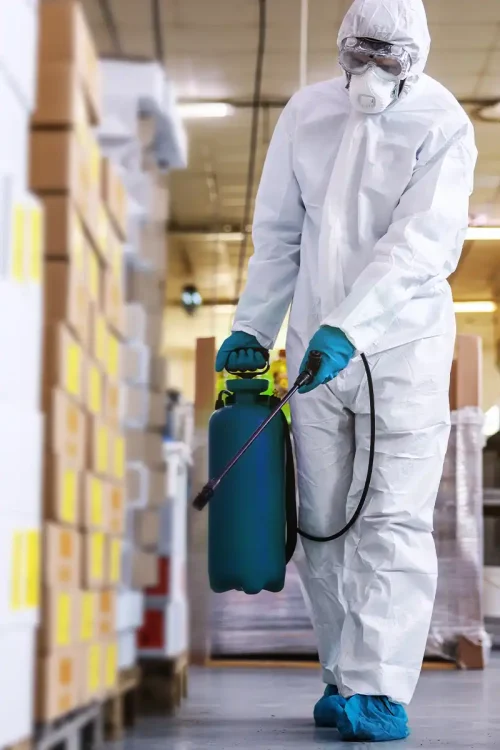
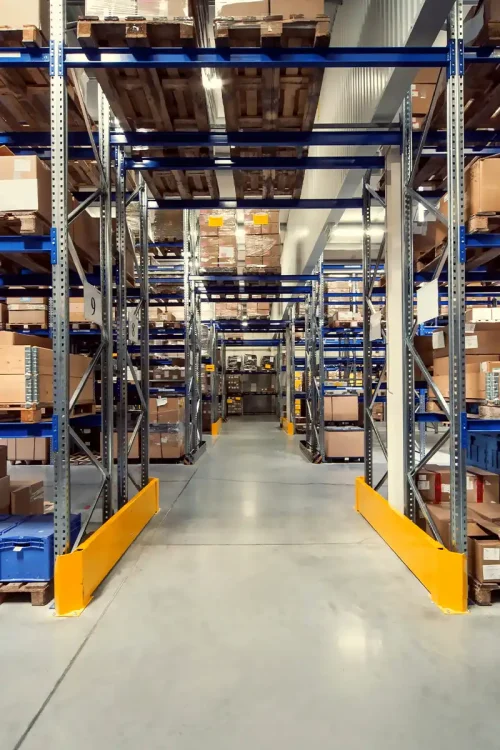
Distribution centres throughout areas near the M60 and around Hollinwood operate continuously supporting e-commerce fulfilment and regional logistics. These facilities process high volumes requiring floor cleaning that maintains safety without operational disruption. Loading bay areas need regular attention managing external contamination. Pick faces and packing zones demand dust control protecting inventory quality.
Food production warehouses near Chadderton and throughout areas from Royton to Shaw require hygiene standards satisfying BRC audits and customer requirements. External contamination must remain segregated from production areas. Pest control effectiveness depends partly on cleanliness eliminating attraction factors. HSE workplace standards and industry regulations guide our approach ensuring regulatory compliance.
Manufacturing warehouses storing automotive components, precision engineering parts, and industrial materials around Derker, Failsworth, and Lees need contamination-free environments. Metal swarf from production areas requires proper segregation. Dust control protects component quality and equipment reliability. Regular cleaning supports quality management systems and customer audit requirements.
Pharmaceutical and healthcare product storage throughout Oldham maintains validated environments. Cleaning procedures require documentation satisfying GMP requirements. Materials and methods undergo approval processes. Staff training includes contamination control principles. We provide this specialist capability where client operations demand it.
Third-party logistics facilities serving multiple clients need cleaning that accommodates diverse product types and varying operational patterns across locations from Uppermill in Saddleworth to warehouses near Oldham town centre. Segregation between different client inventories requires attention during cleaning activities. Documentation supports individual client audit requirements. Flexibility adapts to changing warehouse utilisation and seasonal volume variations.
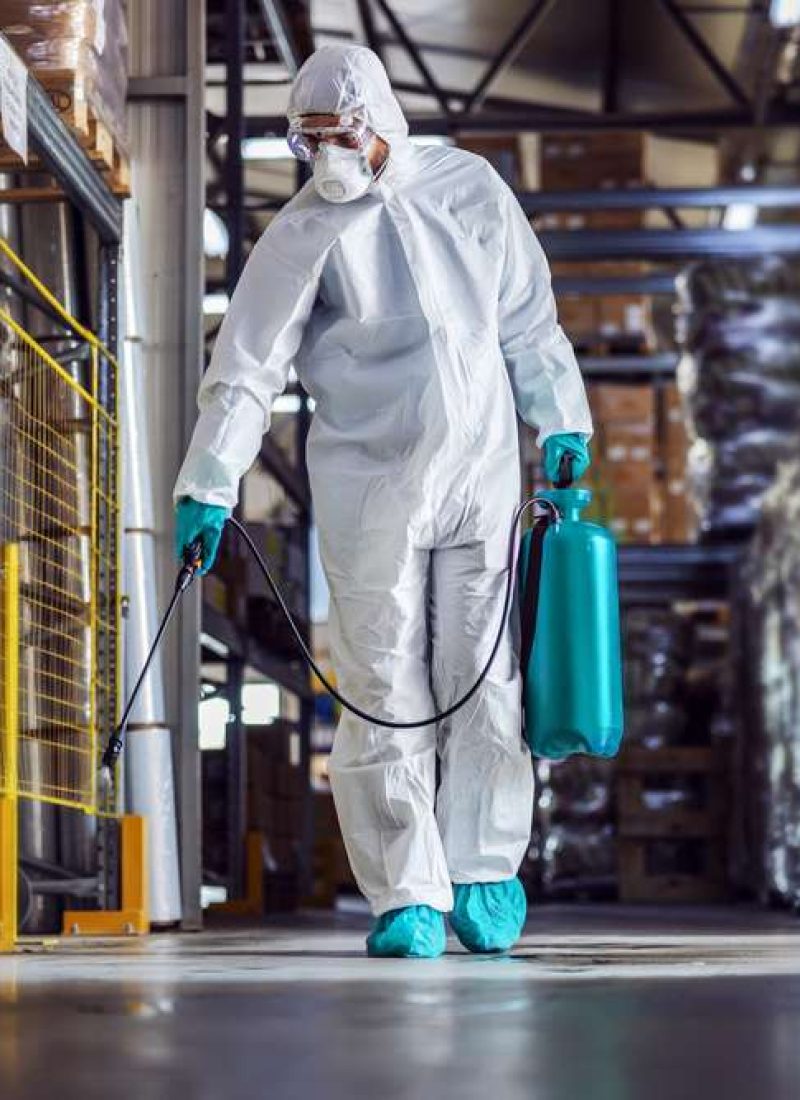
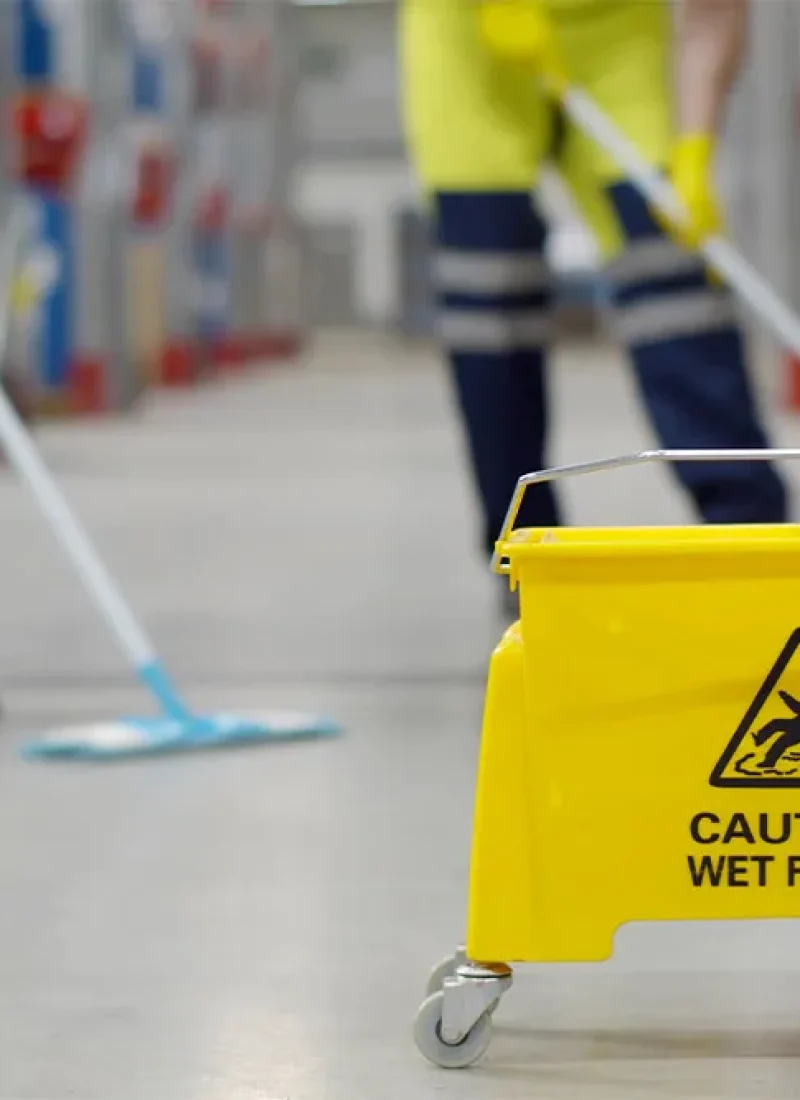
Warehouse cleaning encompasses more than floor sweeping. High-level cleaning addresses dust accumulation on racking, pipework, and structural elements creating fire risks and contamination sources. Loading bay maintenance manages the transition zone where external and internal environments meet. Washroom and welfare facilities require attention supporting staff wellbeing and regulatory compliance.
Specialist requirements arise periodically. Spillage response needs immediate attention preventing contamination spread and safety hazards. Post-construction cleaning prepares new or refurbished facilities for operational use. Inventory relocation projects create opportunities for intensive cleaning accessing normally inaccessible areas. We provide these additional services through established client relationships.
Waste management extends beyond refuse removal. Cardboard and packaging materials require segregation for recycling. Pallet management affects warehouse housekeeping. Confidential waste from administrative areas needs secure destruction. Our commercial cleaning approach integrates waste management within comprehensive service delivery.
Warehouse cleaning requires verified competence beyond generic cleaning credentials. Our accreditations include CHAS, Safe Contractor, ISO 9001, and ISO 14001 confirming systematic quality management, health and safety compliance, and environmental responsibility appropriate to industrial environments.
Staff receive site-specific safety induction before commencing warehouse work. Training covers manual handling, working around mechanical handling equipment, and emergency procedures. Personal protective equipment meets industrial environment requirements. This preparation protects cleaning staff whilst supporting client safety management systems.
Insurance provides coverage appropriate to industrial operations. Public liability, employers’ liability, and professional indemnity protect clients against unforeseen circumstances. Documentation satisfies procurement requirements and risk management frameworks supporting corporate governance.
Our approach emphasises understanding client operations rather than applying generic solutions. Oldham warehouse clients receive service that recognises operational constraints, product sensitivities, and regulatory requirements specific to their sectors. This tailored approach delivers practical results rather than theoretical compliance.
Oldham warehouse operations seeking reliable, compliant, professional cleaning should explore how Sentrex delivers industrial cleaning differently from generic contractors.
Contact us to discuss specific facility requirements. Call 0333 240 1145 or message through our website. Our team understands Oldham’s industrial environment and delivers warehouse cleaning solutions that work practically.
We’re ready to demonstrate how systematic warehouse cleaning, backed by appropriate equipment and genuine understanding of industrial operations, supports compliance, safety, and operational efficiency.
