Liverpool’s position on the Mersey, with deep water container handling at the Port of Liverpool and direct links into the M57 and M62, has made the city region one of the busiest warehousing locations in the North West. Liverpool2 at Seaforth brings container traffic into a network of storage and distribution sites, while retailers and manufacturers across Knowsley, Kirkby, Speke, and Halewood all depend on warehouse space that keeps goods moving without interruption. Sentrex delivers warehouse cleaning addressing Liverpool’s storage and distribution sites within the UK’s logistics and distribution sector.


Port related warehousing around Seaforth and the docks handles imported and exported goods moving through Liverpool2 and the wider port estate, with sites operating extended shift patterns to match vessel and haulage schedules. Knowsley Industrial Park, among the largest industrial estates in the North West, houses a broad mix of warehouse, manufacturing, and distribution occupiers across a single connected site.
Speke and the Estuary Commerce Park area add further distribution capacity close to Liverpool John Lennon Airport, while Kirkby and Halewood combine warehousing with the supply chain serving the region’s automotive manufacturing. Many of these sites run continuously, with forklift traffic, pedestrian movement, and loading activity overlapping across the same floor space throughout every shift.
Dust, pallet debris, spilled product, and tracked in grime accumulate quickly across warehouse floors, particularly at sites handling imported goods and packaging. Coastal conditions add further pressure, with damp weather and salt laden air from the Mersey estuary carrying moisture and grit into loading bays and dock doors.
These conditions create real hazards that warehouse managers do not always recognise until an incident occurs. Our analysis of the hidden hazards lurking on warehouse floors sets out the risks that apply directly to busy Liverpool sites, from slippery surfaces to debris building up around racking and walkways, and how regular, planned cleaning addresses these risks before they cause an incident.
Floor cleaning removes dust, spillage, and tracked in debris across warehouse floors, keeping aisles and loading areas safe for the forklift and pedestrian traffic sharing them. High level cleaning addresses racking tops, roof lights, and overhead structures, where dust settles out of sight and affects both stock and air quality.
Industrial deep cleaning addresses planned quiet periods, when a warehouse can undertake a thorough clean across areas that live operation makes difficult to reach, from behind racking to dock levellers and mezzanine areas.
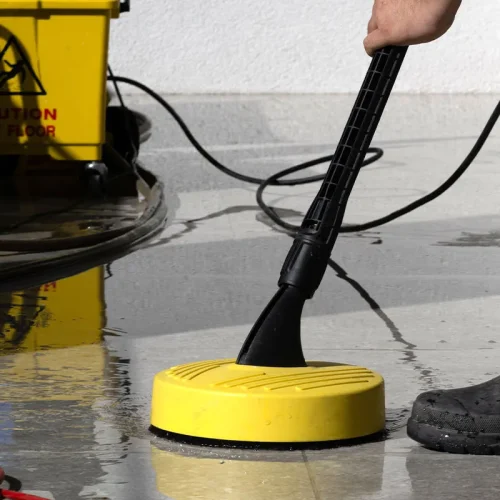
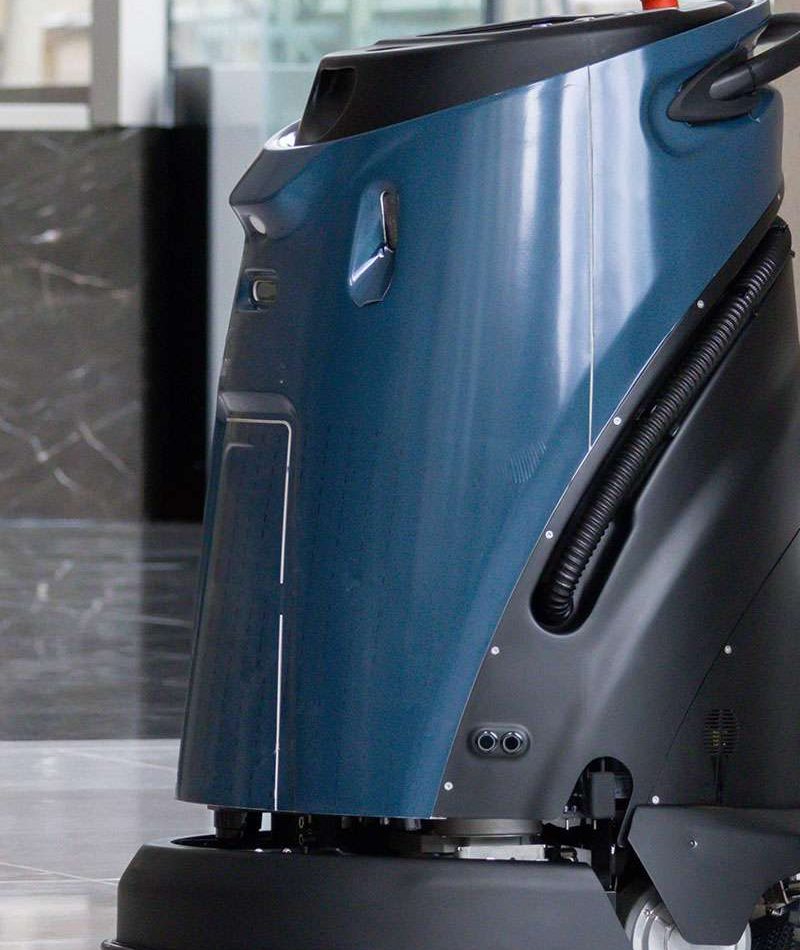
Large, open floor plans suit automation well. Our robotic cleaning in Liverpool service uses autonomous floor machines to deliver consistent coverage across extensive warehouse floors, with our trained operatives managing, monitoring, and maintaining the equipment throughout. This supports continuous sites where manual cleaning alone struggles to maintain the same standard across every shift.
Dry ice blasting in Liverpool addresses conveyors, racking components, and handling equipment where conventional cleaning risks damage or leaves moisture behind, an important consideration for sites handling goods sensitive to damp.
Warehouse floors, walkways, and racking access fall under workplace health and safety obligations that apply to every site in the city. Our guide to warehouse cleaning regulations sets out the standards governing floor condition, housekeeping, and fire safety, and forms the basis for the cleaning schedules we build for Liverpool clients. Documented cleaning records give warehouse managers clear evidence of systematic management during HSE inspections and customer audits.

Warehouse cleaning delivers the most value when coordinated with our wider industrial cleaning capability and site support. Our industrial cleaning in Liverpool service addresses the manufacturing and processing sites that sit alongside the city’s warehousing, while our facilities management in Liverpool service covers building fabric, mechanical systems, and compliance across the same estates.
Because cleaning and building support can be delivered together, warehouse operators do not need to coordinate separate contractors for each element of site upkeep. Access arrangements, inductions, and reporting only need setting up once, saving time for site managers running busy operations.
Our accreditations including CHAS, Safe Contractor, ISO 9001, and ISO 14001 demonstrate systematic approaches satisfying the procurement requirements warehouse and logistics operators expect. Our approach emphasises cleaning that works around live operations, planned to match each site’s shift patterns rather than imposed on them.
Liverpool warehouse and distribution managers can contact us on 0333 240 1145 to discuss warehouse cleaning addressing floor safety, high level access, and the compliance standards busy storage and distribution sites depend on.
