
Warehouse floors take a significant amount of punishment every day. Forklift traffic, foot movement, spillages, and the constant movement of goods all leave their mark. Most managers are aware of the obvious risks, but it is the less visible hazards that tend to cause the most disruption, from costly accidents to failed inspections and regulatory action. Understanding what is actually building up on your floors, and why it matters, is one of the most practical steps a facility can take to protect its people and its operation.
Why Warehouse Floor Hazards Are Easy to Underestimate
The nature of warehouse environments means that hazards accumulate gradually. A small patch of oil, a scattering of packaging debris, or a film of dust on a hard floor surface can each seem minor in isolation. Over time, however, these conditions compound. What begins as a low-level slip risk can develop into a serious injury waiting to happen, particularly in high-traffic zones where staff are moving quickly and carrying loads.
The Health and Safety Executive identifies slips, trips and falls as one of the leading causes of workplace injuries across all sectors. In warehousing and logistics, the risk is amplified by the pace of operations, the weight of materials being handled, and the presence of vehicles sharing space with pedestrians. Poor floor condition sits at the centre of many of these incidents.
The Compounding Effect of Gradual Accumulation
Unlike a sudden spill, gradual contamination rarely triggers an immediate response. Dust layers build up in corners and under racking. Pallet wrap fragments migrate across floor surfaces. Residue from forklifts and machinery creates invisible films that reduce traction. None of these feel urgent in the moment, which is precisely why they are so often left unaddressed until an incident occurs.
A structured approach to warehouse cleaning regulations and scheduled floor maintenance breaks this cycle before it has the chance to develop.
Common but Overlooked Floor Hazards

Some floor hazards are obvious once you know to look for them. Others develop quietly over weeks and months, becoming serious risks before they are ever identified. The four categories below represent the most frequently underestimated sources of danger on warehouse floors, and each one has consequences that extend well beyond the immediate slip or trip risk.
Spills and Liquid Contamination
Liquid spills are one of the most immediate warehouse floor hazards, but not all spills are treated with equal urgency. Water from leaking racking or condensation, oil residue from machinery, and cleaning product overspray are all frequently missed during routine walk-arounds. Chemical spills carry an additional dimension of risk, as exposure can affect air quality and skin contact, not just traction.
Spill management should be embedded into daily operations rather than treated as an occasional response. Clear reporting lines, accessible spill kits, and consistent staff awareness make a measurable difference to how quickly contamination is contained and removed.
Dust and Fine Particle Accumulation
Dust is one of the most persistent and underestimated hazards in any warehouse environment. It builds up beneath racking, along walls, in ventilation channels, and on raised surfaces before gradually being disturbed and redistributed across the floor. In facilities handling dry goods, timber, grain, or chemical powders, this becomes a more serious concern, with some dust types presenting both a respiratory and a fire risk.
Understanding why warehouses accumulate dust and the risks involved is essential context for any facility manager developing a floor maintenance programme. Routine sweeping alone rarely addresses the underlying accumulation, which is why more thorough periodic cleaning is necessary alongside day-to-day tidiness.
Debris and Packaging Waste
Broken pallets, strapping, shrink wrap, cardboard fragments and loose packaging materials are a constant presence in busy warehouses. Each presents a trip hazard in its own right, and in forklift operating areas, debris on the floor can interfere with vehicle stability and control. The Health and Safety Executive’s guidance on manual handling reinforces that the floor environment plays a direct role in the safety of load-carrying tasks.
A floor that is regularly cleared of debris is not only safer, it is also more operationally efficient. Staff spend less time navigating obstructions, and vehicle operators have clearer sightlines and more consistent traction.
Floor Surface Degradation
Cracked, uneven, or damaged floor surfaces create hazards that go beyond slip risk. Joints and surface breaks catch pallet wheels and forklift tyres, increasing wear on equipment and the likelihood of load instability. Water can pool in depressions, worsening both slip risk and surface deterioration over time.
Regular inspection of the floor surface itself, not just what is lying on it, should form part of any comprehensive floor maintenance routine. Many costly warehouse cleaning mistakes stem from treating floor hygiene and floor condition as separate concerns, when in practice they are closely linked.
Regulatory Obligations and What They Mean in Practice
UK employers operating warehouse facilities have clear legal obligations under the Workplace (Health, Safety and Welfare) Regulations 1992, which require floors to be kept free from obstructions, suitable for their purpose, and properly maintained. The Health and Safety at Work Act 1974 places a broader duty of care on employers to protect the health and safety of all persons on site, including contractors and visitors.
Under RIDDOR, slips, trips and falls that result in injury must be reported, and a pattern of such incidents can trigger regulatory scrutiny. Maintaining documented cleaning schedules, risk assessments, and records of floor condition is not just good practice. It is part of demonstrating due diligence if an incident occurs or an inspection takes place.
Facilities that take warehouse sanitation seriously and can evidence their standards are in a far stronger position than those relying on informal arrangements.
Practical Steps for Managing Floor Hazards
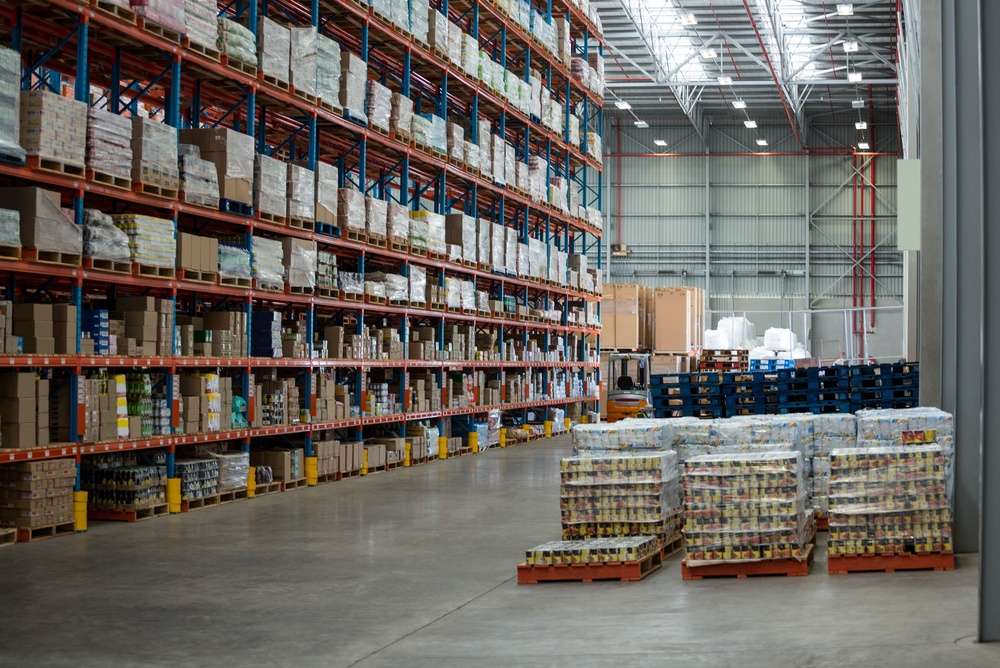
Effective floor hazard management does not require a complete operational overhaul. The following foundations make a substantial difference:
- Scheduled cleaning at appropriate frequencies — daily tidying of high-traffic zones, periodic deep cleaning of the full floor area, and targeted attention to areas beneath racking, near loading bays, and around machinery.
- Clear spill reporting and response procedures — every member of staff should know what to do when a spill occurs, where kits are located, and who to notify.
- Regular floor condition checks — surfaces should be inspected for cracking, pooling, damaged joints and worn line markings as part of routine site management.
- Documented risk assessments — written records of identified hazards and the actions taken provide evidence of compliance and support a culture of accountability.
Staff training plays an essential role in all of this. Well-briefed teams recognise hazards earlier, respond more consistently, and contribute to a floor environment that stays safer between cleaning visits.
How Professional Cleaning Supports Long-Term Floor Safety
Routine in-house tidying handles the surface layer of floor management well. It does not, however, address the gradual accumulation of contamination that builds up in hard-to-reach areas, or the more intensive cleaning that floor surfaces require to maintain their condition over time.
Professional warehouse cleaning provides the deeper, more systematic intervention that day-to-day operations cannot. This includes machine scrubbing of large floor areas, removal of embedded residue and contamination, high-level cleaning to prevent dust from redistributing onto floors, and thorough attention to the areas most often missed.
At Sentrex, our teams are trained to work around live operations without disruption. We bring the equipment, the processes, and the accountability structures that facilities need to maintain consistent floor standards. Our accreditations reflect a commitment to quality and compliance that runs through everything we do.
For facilities that need a broader programme of support across their site, our commercial cleaning services can be tailored to fit the scale and schedule of your operation.
Warehouse floor hazards rarely announce themselves. The facilities that manage them most effectively are those that treat floor condition as an ongoing discipline rather than a reactive task. If you would like to discuss how a structured cleaning programme could work for your site, get in touch with the Sentrex team.


