
In office settings, whether it’s for a small business or a global conglomerate, the focus is usually on KPIs, deliverables, and growth. However, beneath the surface of daily operations, there is a quiet conversation happening among your employees – one centred on the space they inhabit for forty hours a week.
While management often views office cleaning as a checkbox on a facilities contract, staff experience it as a fundamental component of their daily wellbeing. When workplace cleanliness is neglected, it isn’t just an aesthetic issue; it’s a productivity drain. Employees are often the first to notice the blind spots that professional cleaners might miss or that the current cleaning schedule doesn’t account for.
Bridging the gap between what management thinks is happening and what staff actually need can transform the atmosphere of your workspace. Today Sentrex will share ten office cleaning secrets your staff wish you knew, along with practical steps to implement them today.
1. If it isn’t sanitised, it isn’t actually clean
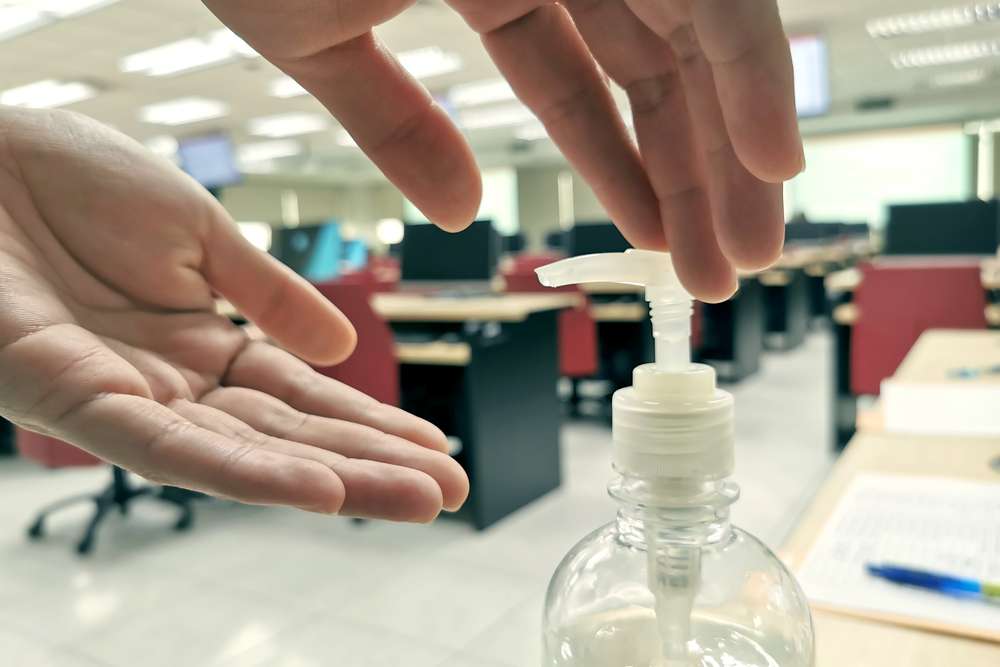
A desk may look immaculate because it has been straightened and dusted, but if it hasn’t been disinfected, it remains a hub for pathogens. This is especially true when it comes to high-touch surfaces and the invisible risks they carry.
To fix this, shift your focus from polishing to sanitising. Ensure your commercial cleaning contract specifies the use of virucidal cleaners on communal items like printer buttons and door handles. This proactive approach to office hygiene can significantly reduce the domino effect of seasonal illnesses spreading through the team.
2. An unclean communal fridge could have dire consequences
For many office workers, the communal kitchen is a hygiene minefield. Staff often feel uncomfortable using a fridge that is cluttered with expired milk or mystery containers from three months ago. They wish there were a clear, management-backed policy that removed the social awkwardness of throwing away someone else’s old lunch.
You should implement a weekly clearing policy. For example, communicate that every Friday at 4:00 PM, the fridge is emptied completely. This simple rule reduces odours and prevents bacterial growth without placing the burden on individual employees to police their colleagues.
3. Keyboard dirt is a major distraction
Employees spend the vast majority of their day at their computers. A keyboard filled with crumbs, dust, and oils is not just unhygienic; it’s unpleasant to use. Most staff members are hesitant to clean their own equipment for fear of damaging it, yet they wish it was handled more frequently.
Include technical equipment in your cleaning checklist. Using compressed air and specialised electronic-safe wipes can make a desk feel brand new. When staff feel their primary tools are cared for, it directly translates into 6 ways a cleaner office boosts employee morale instantly.
4. Harsh chemical smells can trigger headaches
While the smell of bleach used to be associated with cleanliness, many modern employees naturally find heavy chemical odours overwhelming. For those with sensory sensitivities or asthma, the smell can actually be a productivity killer, causing headaches and respiratory irritation.
A way to counteract this is to transition to eco-friendly cleaning solutions. Modern green products are just as effective as traditional chemicals but are often pH-neutral and fragrance-free. This inclusivity for sensitive staff members demonstrates a sophisticated approach to facilities management.
5. Hot-desking requires a different approach
With the rise of hybrid and flexible working, hot-desking has become the norm. However, staff often feel they are inheriting the germs of the person who used the desk the day before. They wish for more autonomy over their immediate environment.
Something as simple as providing a mini hygiene station can make all the difference. Equipping staff with high-quality wipes and hand sanitiser allows them to take control of their space. This isn’t a replacement for professional office cleaning, but a vital supplementary layer that reduces employee absenteeism.
6. The invisible areas impact air quality
Staff often notice the dust on top of lockers, the grime on ventilation grilles, and the build-up behind monitors. While these areas are out of the immediate line of sight, they contribute to poor indoor air quality, leading to lethargy and brain fog.
Periodic deep cleans should be a non-negotiable. While daily cleaning covers the basics, a quarterly deep clean reaches the areas that are usually ignored. This is a critical factor when deciding how often should you clean your office to maintain a truly healthy environment.
7. Your office is only as clean as your toilet
If an employee sees a poorly maintained bathroom, they subconsciously begin to question the company’s attention to detail in other areas. Staff wish that management knew that a lack of soap or a broken hand dryer is more than a minor inconvenience; it’s a sign of a failing infrastructure.
In addition, a bathroom that isn’t regularly cleaned will obviously harbour more serious pathogens, especially if personal hygiene isn’t practiced by individuals. This leads to the spreading of germs in the office space that can be particularly harmful.
Increase the frequency of bathroom checks during peak hours. Ensuring that consumables are always stocked and surfaces are dry maintains the dignity of the workplace. If you are struggling with this, it may be time to ask: professional office cleaning: is it worth it?
8. The bin isn’t a black hole
Staff often dispose of items in the bin throughout the day. On busy days, bins can fill quickly and overflow, which creates extra cleaning work after the initial emptying.
This can easily be mitigated by asking staff to empty smaller bins during their shift if they are close to overflowing, and ensure recyclable items are disposed of properly. Alternatively, designate a specific ‘bin checking’ time, to stay ahead of the curve when it comes to overflowing bins.
9. Small details make the biggest difference
Staff often spot the small inconsistencies, a messy microwave, a scaled kettle, or a spot-riddled mirror. These details are often what staff talk about in the break room. They wish the cleaning schedule prioritised these high-impact, low-cost tasks.
Regularly update your staff cleaning tips and feedback loops. Ask your team what one thing would make their day better. Often, the answer is as simple as “removing the coffee rings from the boardroom table.”
10. They prefer transparency to secrecy
Finally, staff wish they knew when and how the office is being cleaned. An invisible cleaning crew can lead to a “nothing is being done” mentality.
Be transparent about your standards. Display your cleaning logs or a “Hygiene Guarantee” in communal areas. When staff know that the office is being professionally maintained, they are more likely to do their part in how to keep your office clean by tidying up after themselves.
It’s deeper than a clean
Improving your standards isn’t just about making staff happy; it’s a sound financial decision. When you calculate the office cleaning costs per square foot, you must also factor in the hidden costs of poor hygiene:
- Reduced productivity: Staff spend time cleaning their own desks or complaining about the kitchen.
- Higher turnover: Environment is a key factor in staff retention.
- Absenteeism: Illness spreads faster in a poorly maintained office.
For those evaluating their current spend, it is worth exploring what office cleaners charge and how to get the best value. Often, a more strategic approach can yield better results without a significant increase in how much does office cleaning cost.
Conclusion: Bridging the gap

Your staff are the eyes and ears of your office environment. By listening to these secrets, you can move from a reactive cleaning model to a proactive one that supports the health and happiness of your most valuable asset.
At Sentrex, we pride ourselves on being more than just a cleaning company; we are partners in workplace wellbeing. We ensure our teams are trained to see the details that others miss, backed by the accreditations and professional standards that UK businesses deserve. You can learn more about us and our approach to transparent, reliable service.
Ready to give your staff the office they deserve? Don’t let hidden hygiene gaps impact your team’s performance. Contact us today for a bespoke hygiene audit or a quote tailored to your specific needs. Collaborate with Sentrex today to create a workspace that your employees are proud to call their own.


