
For many property managers, the sight of moss, lichen, or industrial soot on a building exterior triggers an immediate thought of high pressure water. It is a logical reflex, but for commercial and industrial structures, it can often be the wrong one. The sheer force required to blast away decades of grime can inadvertently compromise the structural integrity of roofing materials, particularly on older warehouses or buildings with delicate cladding. Understanding how to achieve a pristine finish without the risks of traditional jet washing is now a priority for those looking to protect their assets over the long term.
The short answer is yes. Commercial roof cleaning without pressure washing is not only possible but frequently the safer option for the roof itself. Moving away from high pressure methods involves a shift towards chemical science and specialist access technology, ensuring the substrate is treated rather than simply scrubbed. This approach focuses on preservation, ensuring that the cleaning process does not become a catalyst for future leaks or surface degradation. It is also important to consider how often a commercial roof should be professionally cleaned, as regular low pressure maintenance prevents heavy buildup from occurring in the first place.
The Practical Risks of Traditional Jet Washing
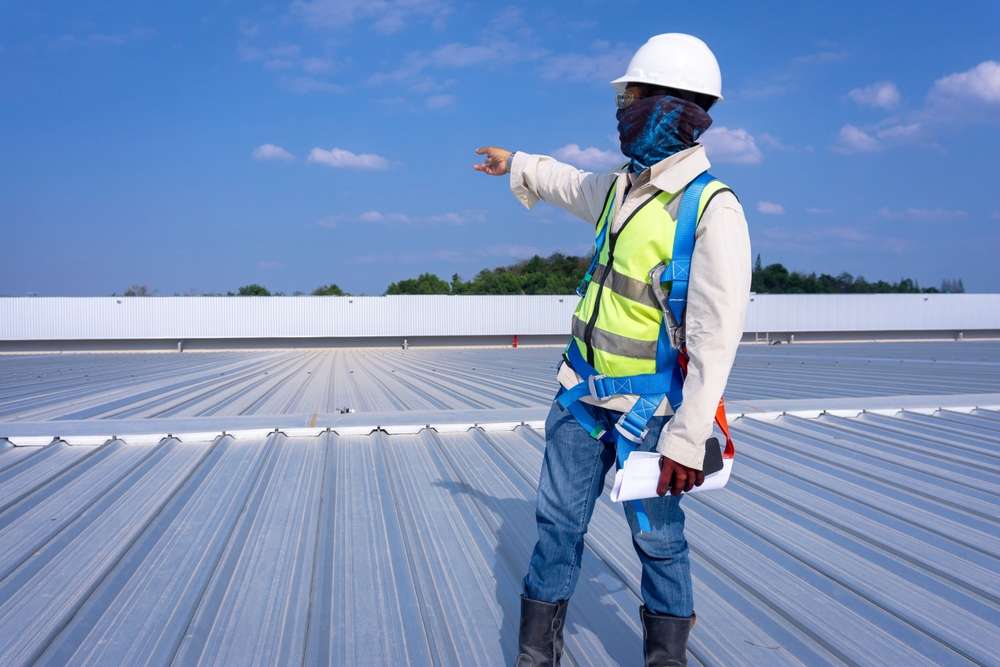
While traditional jet washing is highly effective for ground level hard standing, applying that same force to a commercial roof can be problematic. High pressure water can strip the protective granules from bitumen shingles, force moisture into lap joints of metal sheets, or crack aged plastic skylights. Once the protective coating of a roof is compromised, the rate of biological growth actually accelerates, leading to a cycle of more frequent and more aggressive cleaning requirements.
Beyond the physical damage, there is the issue of water ingress. High pressure streams can easily find their way under flashings or into ventilation points that were never designed to withstand upwards or sideways water force. For businesses, this creates an unnecessary risk to internal stock, machinery, and electrical systems. By opting for professional cleaning services that avoid high pressure, facilities managers can eliminate the primary cause of leaks that are created by the maintenance itself. Furthermore, understanding what happens if moss and debris are left on a commercial roof highlights that while pressure washing is risky, doing nothing allows roots to penetrate the surface and cause even more extensive structural damage.
Soft Wash Commercial Roof Cleaning Explained
The most common alternative to high pressure methods is known as soft washing. This process relies on the application of biodegradable chemical solutions at a pressure no stronger than a garden hose. These solutions are designed to emulsify dirt and kill biological growth like moss and algae at the root. Unlike pressure washing, which merely shears off the top layer of growth, soft washing sanitises the surface, ensuring that spores are neutralised and preventing rapid regrowth.
This method is particularly effective for cladding cleaning and delicate roofing materials where preserving the factory finish is essential. The chemicals do the heavy lifting, allowing the team to rinse the surface clean without mechanical abrasion. Because the results last significantly longer than water only methods, it is often a cost effective choice for long term maintenance.
Steam Cleaning for Industrial Contaminants
In environments where grease, oil, or heavy carbon deposits are the main issue, such as near extraction flues or in heavy industrial zones, low pressure steam cleaning is an excellent alternative. By using superheated water at very low pressure, technicians can melt away stubborn residues that chemicals alone might struggle to touch. This is a gentle technique that provides a deep sanitisation without the erosive force of high velocity water droplets.
Manual Scraping and Biocide Treatments
For roofs heavily burdened by thick moss, a manual approach is often the safest starting point. Trained teams use shaped scrapers that match the profile of the roof tiles or metal sheets to physically remove the bulk of the debris. This is then followed by a professional biocide application. This strategy ensures that no excess water is introduced to the roof at all during the initial clearing phase, which is vital for buildings with known drainage sensitivities.
Why Does the Cleaning Method Affect Your Asset Life?
Every commercial roof has a finite lifespan, usually dictated by the integrity of its outer membrane. Constant high pressure cycles thin these membranes, making them brittle and prone to thermal movement cracks. By choosing safe cleaning methods, property managers can extend the time between full roof replacements by a decade or more. The goal is to maintain the aesthetic and functional properties of the building without introducing new mechanical stresses.
Regular maintenance also plays a role in wider building health. For instance, knowing whether commercial roof cleaning can prevent drainage problems helps in understanding the interconnected nature of facilities care. If a roof is cleaned poorly, the dislodged debris and forced water can easily overwhelm gutters, leading to internal damp issues. A gentle, controlled approach ensures that debris is collected and disposed of correctly rather than being blasted into the drainage system.
Integrating Technology for Better Outcomes
Modern facilities management relies on data and visibility. Sentrex utilises drone cleaning services and inspections to assess roof conditions before a single technician sets foot on a ladder. This allows for a precise determination of which methods are appropriate for the specific site. Drones can even be used to apply treatments to high or fragile areas, removing the need for heavy access equipment and further reducing the risk to the building structure.
This technological integration ensures accountability. Clients receive clear before and after footage, providing a documented trail of the work performed. Whether it is part of a wider high level cleaning contract or a specific industrial project, the use of smart systems ensures that the standards remain consistent across large estates. Using solar panel cleaning as an example, the same principles of gentle, non abrasive care are applied to ensure that energy efficiency is maintained without scratching the sensitive photovoltaic surfaces.
Safety and Compliance in Specialist Cleaning
Operating at height carries inherent risks, and roof cleaning must be managed under strict HSE guidelines. When pressure washing is removed from the equation, the environment often becomes safer. There is less spray back, visibility for the operator is improved, and the surfaces remain less slippery. Sentrex’s teams are highly trained in protocols for working at height, ensuring that every project is backed by a robust risk assessment and method statement.
For many industrial sites, the roof is not the only concern. A holistic approach often includes gutter cleaning to ensure water flows freely and moss treatment for surrounding walkways to prevent slip hazards. By using professional cleaning services that understand the full scope of industrial cleaning, property owners can ensure that their site remains compliant, safe, and professional in appearance.
Choosing a Process Led Facilities Partner

Relying on a partner who prioritises the specific needs of the building over a one size fits all tool is essential for modern property management. At Sentrex, accountability is built into the systems themselves. From the initial survey to the final sign off, the processes are designed to provide transparency and peace of mind. Understanding how large industrial roofs are cleaned safely involves more than just equipment; it requires a culture of safety and a focus on protecting the client’s long term interests.
If you are evaluating your current building maintenance strategy, consider the total cost of ownership. The cheapest quick blast approach might seem attractive today, but the resulting leaks and substrate damage will far outweigh those initial savings. A gentler, more scientific approach preserves the roof, satisfies insurers, and keeps the facility operational without unnecessary disruption. For a detailed discussion on how these methods can be applied to your specific site, you can contact us to speak with a specialist from the Sentrex team.


