
Walking onto a commercial site, the focus is usually on the ground level operations, the movement of stock, or the safety of the workforce inside. Very few facility managers spend their mornings looking up, yet the environment unfolding on the roof can quietly become one of the most expensive liabilities a business faces. When moss, lichen, and windblown debris begin to colonise a commercial roof, they do not just sit there; they actively alter the structural integrity of the building. In the UK climate, where damp conditions are the norm for much of the year, neglecting these accumulations is a recipe for accelerated wear and sudden, avoidable costs.
The Hidden Mechanics of Commercial Roof Damage
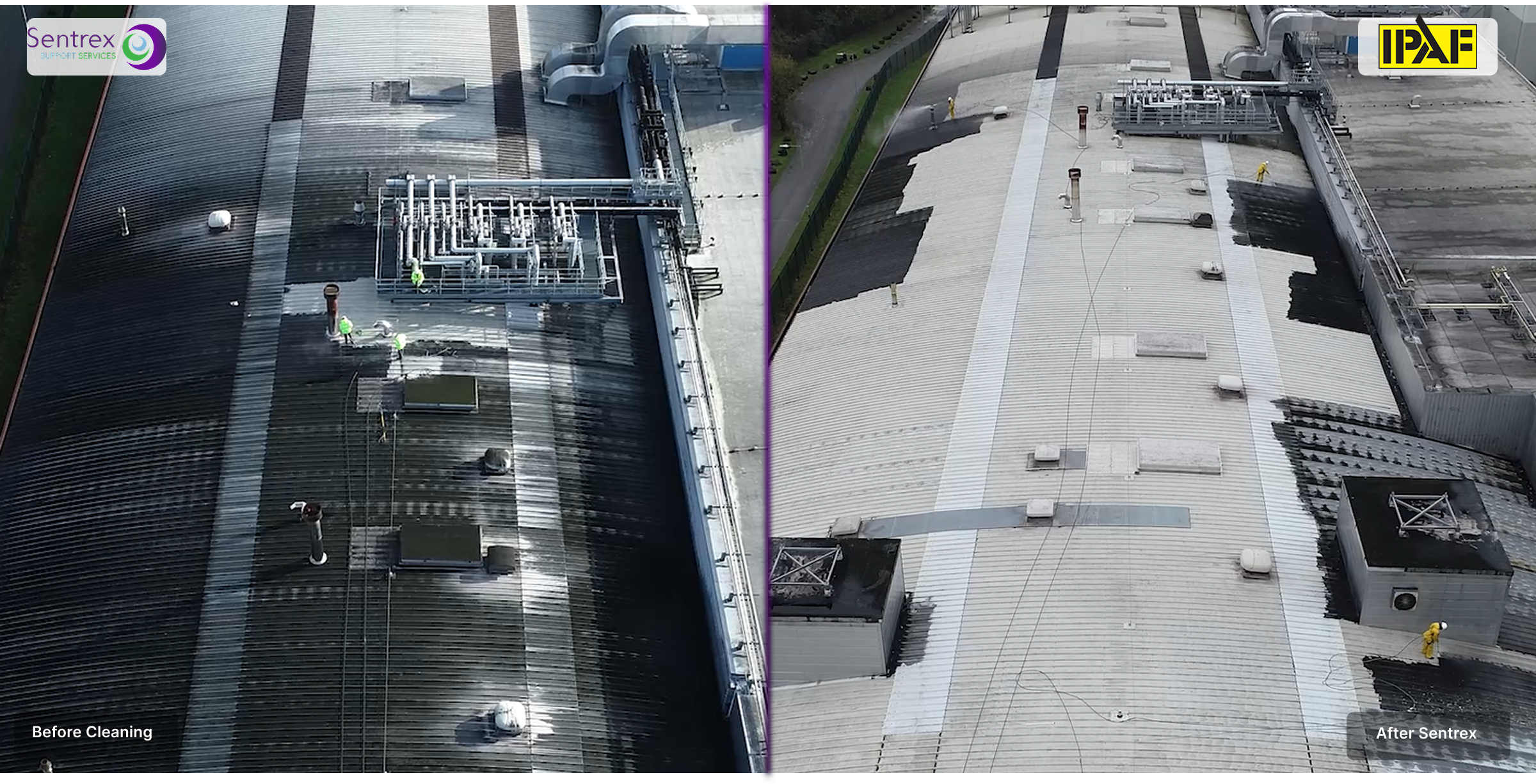
Moss is far more than an aesthetic nuisance for a warehouse or retail unit. Unlike a smooth roof surface that sheds water into the drainage system, moss acts like a giant sponge. It retains significant volumes of water, keeping the roofing material in a state of constant saturation. Over time, this moisture works its way into the pores of concrete tiles or the seams of metal cladding. When the temperature drops, this trapped water freezes and expands, a process that can crack tiles, widen seams, and compromise the seals around skylights or vents.
As the organic matter decomposes, it creates an acidic environment that can slowly eat away at protective coatings. For businesses relying on cladding cleaning to maintain their professional image and structural health, leaving moss to fester at the roofline often leads to unsightly staining and corrosion that spreads downwards. This leads to a significant roof lifespan reduction, forcing property owners to face full replacements decades earlier than necessary.
How Debris Roof Blockage Triggers Water Ingress
Leaves, twigs, and litter do not stay stationary on a roof. Wind and rain eventually wash them into the lowest points, which are almost always the gutters and internal drainage outlets. Once a gutter cleaning schedule is neglected, these blockages cause water to back up. On a flat or low pitch commercial roof, this leads to ponding, where large pools of water sit stagnant for weeks.
The weight of standing water is immense, often exceeding the load bearing capacity the roof was designed for. Under this pressure, water ingress roof issues become inevitable. Even a tiny pinhole leak, under the weight of a ponding area, can flood a warehouse floor, damage expensive machinery, or ruin inventory. In many cases, the internal damage caused by a single afternoon of heavy rain on a blocked roof can cost ten times more than a year of roof cleaning services.
Can Moss Growth Affect Health and Safety Compliance?
For any UK business, following HSE guidance is a major operational pillar. Moss and algae growth are not just structural risks; they are safety hazards. When moss becomes wet, it turns incredibly slick. If a maintenance engineer or surveyor needs to access the roof for repairs or inspections, a moss covered surface becomes a high risk environment for slips and falls. Providing a safe place of work is a legal requirement, and allowing organic growth to cover walkways or access points can lead to failed safety audits.
Furthermore, debris that falls from a roof can pose a risk to pedestrians or vehicles below. During high winds, large clumps of dried moss or loose debris can be swept off the building edge. Professional industrial cleaning ensures that these risks are managed before they become a liability for the facilities team.
The Operational Impact of Blocked Drainage Systems
Roof drainage issues often manifest in ways that seem unrelated to the roof itself. When water cannot escape through the primary downpipes, it overflows the sides of the building. This leads to saturated ground conditions, which can undermine foundations or cause damp to rise through the walls. It also ruins the appearance of the building, often requiring jet washing to remove the resulting algae and mud from the building perimeter and footpaths.
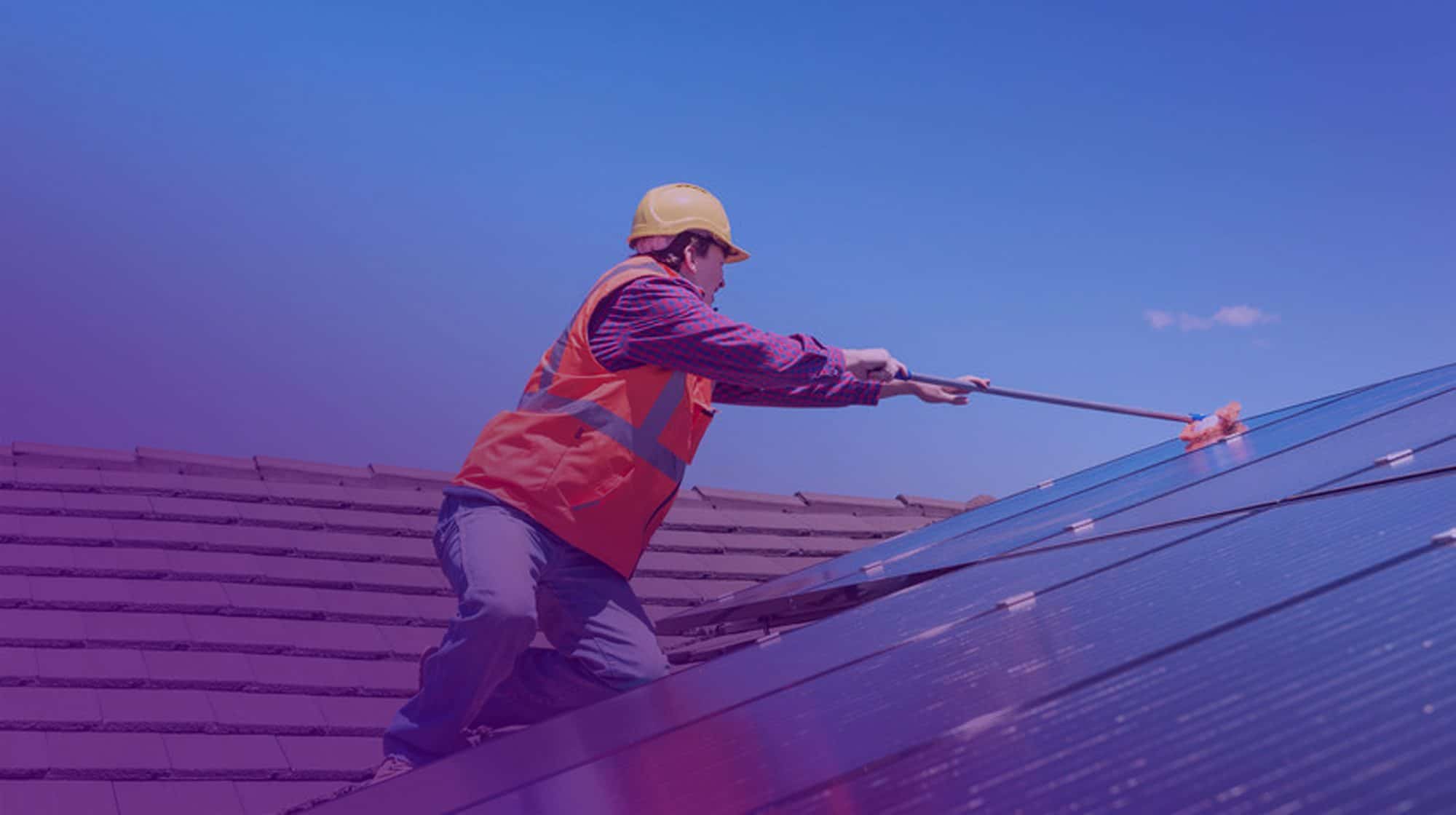
In facilities that have invested in renewable energy, moss on roof problems can directly hit the bottom line. Spores from moss and lichen easily travel onto nearby surfaces. If these organic growths take hold on energy systems, you will likely require frequent solar panel cleaning to prevent a drop in energy yield. Scheduling professional cleaning services on a regular basis reduces the risk of compliance failures and keeps the facility operating to a consistent standard.
Why Proactive Maintenance Saves More Than Just the Roof
Reactive repairs are almost always more expensive than planned maintenance. When a leak occurs, you are not just paying for a roofer; you are paying for emergency call out fees, potential business downtime, and internal repairs. By contrast, a structured approach to moss treatment and debris removal allows facilities managers to budget effectively and avoid the firefighting mentality of building management.
Modern technology has made this process much simpler and safer. For large scale commercial buildings, drone cleaning services allow for thorough inspections and cleaning without the need for expensive scaffolding or high risk manual labour in certain areas. For even more complex structures, high level cleaning specialists can reach every corner of a facility, ensuring that no hidden debris is left to cause trouble later in the season.
A commercial building is a significant asset that requires a clear record of care to maintain its value. Regular cleaning provides a documented trail of maintenance that is vital for insurance purposes and property valuations. If you are concerned about the current state of your roof or want to establish a preventative schedule, you can contact us to discuss a tailored site assessment. Moving from a reactive to a preventative strategy is the most reliable way to ensure operational continuity and long term structural health.


