
For many facilities managers, the roof is a classic example of an out of sight, out of mind asset until a leak appears or a structural survey flags a costly repair. Maintaining a commercial property in the UK involves navigating a climate that is notoriously hard on building envelopes, with consistent rainfall, damp winters, and high winds providing the perfect conditions for organic growth. A reactive approach to maintenance often leads to avoidable capital expenditure, which is why establishing a clear commercial roof cleaning frequency is a cornerstone of effective property management.
Factors That Influence Your Commercial Roof Maintenance Schedule
There is no universal rule that applies to every building because environmental stressors vary significantly between sites. A warehouse situated in a rural area surrounded by deciduous trees will face different challenges than a retail unit in a coastal town or a factory in an industrial heartland. Understanding these variables allows operations directors to move away from guesswork and towards a data-led maintenance plan.
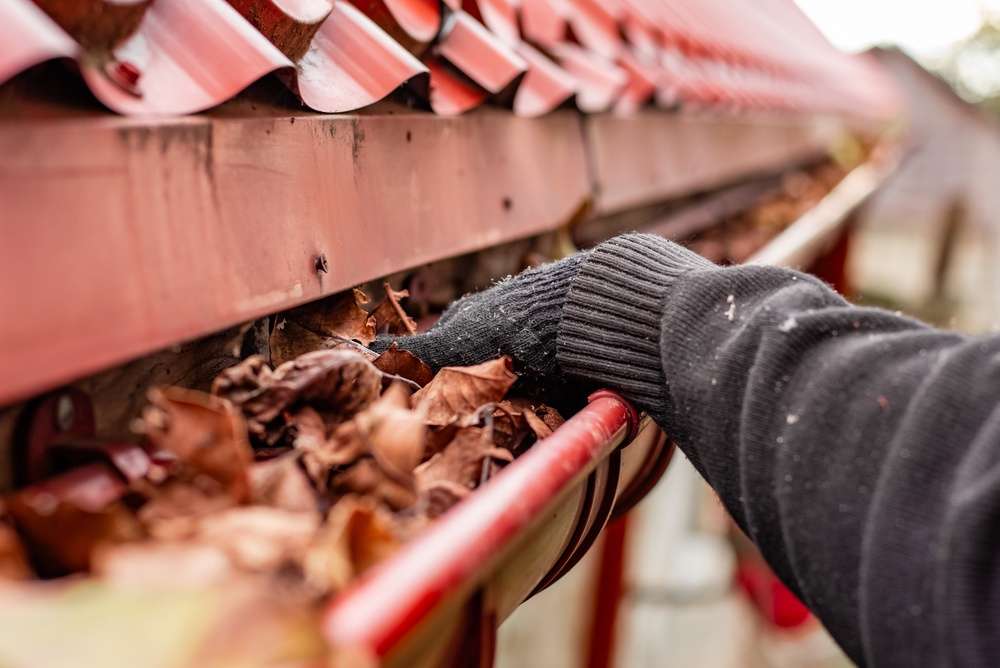
Surrounding vegetation is arguably the most common factor affecting how often a clean is required. If a building is overlooked by trees, leaf litter and twigs will accumulate rapidly, blocking drainage channels and providing a nutrient-rich base for moss. In these environments, an annual inspection is the bare minimum, with a full clean often required every twelve to eighteen months to prevent biomass from taking hold.
Proximity to industrial activity or heavy transport routes also dictates the timeline. Soot, carbon deposits, and atmospheric pollutants can create a film on the roof surface that traps moisture and accelerates the degradation of protective coatings. For buildings in high-pollution zones, a more frequent cleaning cycle helps maintain the integrity of the substrate and ensures the property continues to look professional to visiting clients and stakeholders.
Standard Recommendations for Industrial Roof Cleaning Timeline
In many households, cleaning is a seasonal chore, but for a business, it must be a scheduled operational requirement. As a general guideline, most commercial roofs in the UK should undergo a professional deep clean every two to three years. This timeframe balances the need for preventative care with the practicalities of a maintenance budget, ensuring that minor issues do not evolve into structural failures.
However, the specific type of roof can alter this frequency. A flat roof cleaning schedule often needs to be more rigorous than one for a pitched roof. Because water does not shed as easily from flat surfaces, standing water and silt accumulation are common. This requires a dedicated approach to ensure drainage remains clear and the membrane is not compromised by stagnant moisture. Often, these sites benefit from an annual check to confirm that gutter cleaning has been performed effectively, as blocked outlets are the primary cause of flat roof leaks.
For businesses that have invested in sustainable energy, the frequency might be dictated by output. If you have an onsite array, regular solar panel cleaning is essential to maintain efficiency, as even a light layer of dust or bird droppings can significantly reduce energy generation. In these cases, the roof and the panels are often cleaned in tandem to maximise the site visit and reduce operational disruption.
The Impact of UK Weather on Roof Inspection Frequency Commercial
British weather is a primary driver of roof deterioration. The freeze and thaw cycle is particularly damaging to commercial roofs that have existing moss growth. Moss acts like a sponge, holding onto water that expands when it freezes, potentially cracking tiles or putting pressure on seams. Because of this, many property managers schedule an inspection in late autumn after the leaves have fallen, and again in spring to assess any winter damage.
Effective roof cleaning involves more than just aesthetics. It is a vital part of risk management. Removing organic growth early via professional moss treatment prevents the root systems from penetrating the roof surface. By addressing these issues on a predictable schedule, businesses can extend the life of the roof by years, delaying the need for a full replacement that could cost tens of thousands of pounds.
Benefits of Regular Roof Cleaning for Business Operations
Scheduling professional cleaning services on a regular basis reduces the risk of compliance failures and keeps the facility operating to a consistent standard. Many manufacturers of roofing membranes specify that the roof must be maintained to a certain standard for the warranty to remain valid. Regular cleaning ensures you are always ready for inspection, providing peace of mind during health and safety audits or when negotiating building insurance premiums.
There is also the matter of thermal efficiency. A clean roof reflects more sunlight and sheds water more effectively, which can subtly impact the internal temperature regulation of the building. For large industrial cleaning projects, keeping the building envelope clean also prevents the buildup of corrosive materials that can eat away at metal cladding. Integrating cladding cleaning into the wider roof maintenance plan ensures the entire exterior is protected against the elements.
Sentrex provides a range of solutions to make this process efficient and safe. In complex environments, we utilise drone cleaning services to access difficult areas without the need for scaffolding or heavy machinery, reducing the risk to personnel and minimising the impact on daily operations. This technology allows for high-definition surveys that can inform a precise maintenance schedule, ensuring you only pay for the work that is actually required.
Integrating Roof Care Into Wider Facilities Management
Roof maintenance should not exist in a vacuum. It is often most cost-effective when bundled with other high-level tasks. If a team is already on site with specialist access equipment, it is the ideal time to perform high level cleaning for internal structures or beams that are otherwise hard to reach. This joined-up approach reduces the number of contractor visits and ensures all parts of the building are being cared for simultaneously.
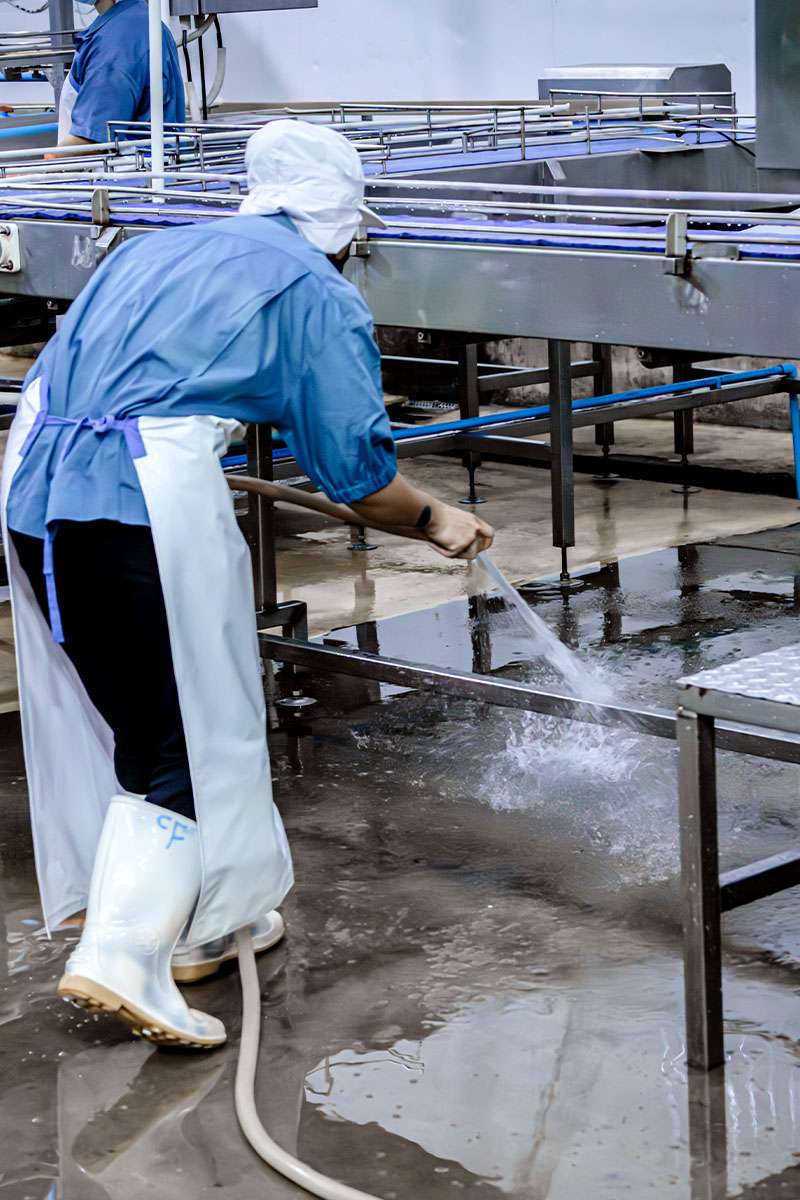
For areas at ground level that are affected by roof runoff, such as walkways or loading bays, professional jet washing can be used to remove the silt and algae that often follows a roof clean. This maintains the safety of the site by reducing slip hazards for staff and visitors. By viewing the roof as part of a total building maintenance strategy, facilities managers can ensure the site remains compliant, safe, and operationally efficient throughout the year.
Establishing the right frequency is about proactive asset protection. If you are unsure of the current condition of your site or need to develop a long-term maintenance plan, you can contact us to discuss a specialist survey. A well-maintained roof is the first line of defence for your business, and regular professional care is the most effective way to ensure that defence remains strong.


