
Maintaining the structural integrity of a vast industrial facility requires far more than just internal upkeep. The roof serves as the primary shield against the British weather, yet its sheer scale and height present significant logistical hurdles when it comes to hygiene and maintenance. Ensuring industrial roof cleaning safety is not merely a matter of following a checklist; it involves a comprehensive integration of risk assessment, specialised equipment, and stringent adherence to HSE guidance to protect both the operatives and the asset itself.
The Critical Importance of Risk Assessment and Planning
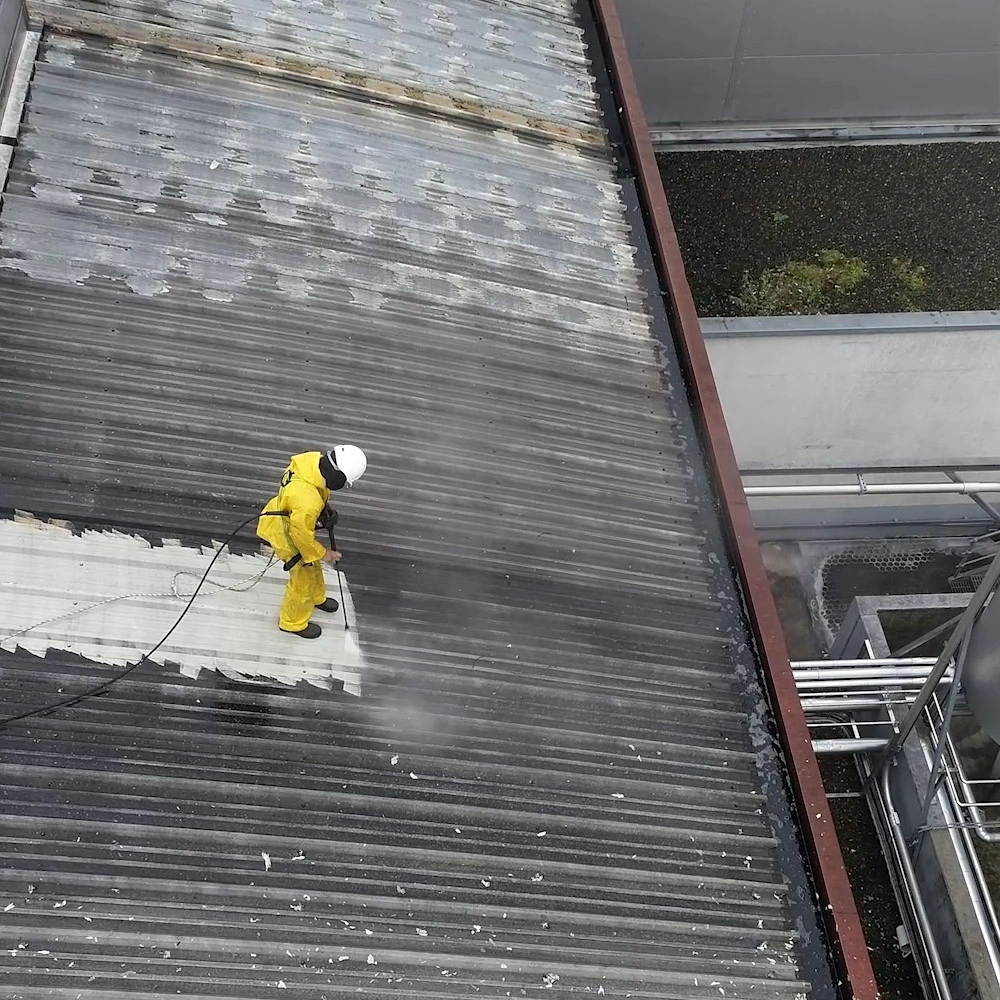
Every industrial site presents a unique topographical challenge. Before a single drop of water is sprayed, a professional team must conduct a thorough site survey to identify fragile roof materials, skylights, and structural weak points that could pose a fall risk. This planning phase allows facilities managers to understand the specific commercial roof cleaning methods that will be deployed, ensuring that the chosen approach aligns with the building’s specific load bearing capacities.
Safety protocols are not static. They must adapt to the environmental conditions of the day, including wind speeds and moisture levels on the roof surface. By establishing a rigorous permit to work system, businesses ensure that all high level activities are documented and authorised, which significantly reduces the liability on property managers. This methodical preparation is why roof cleaning remains a specialist task rather than a general maintenance job. It provides the visibility and accountability required to meet modern commercial cleaning compliance standards.
Safe Access Strategies for Industrial Environments
Accessing a vast roof area safely requires a combination of fixed and mobile solutions. While some buildings are equipped with permanent gantries or lifelines, many require the deployment of mobile elevating work platforms such as cherry pickers or scissor lifts. These tools allow technicians to reach the perimeter and internal sections of a roof without always needing to step onto the surface itself, which is particularly vital for older structures where material degradation might be a concern.
When technicians must traverse the roof, collective fall protection like temporary edge guarding or safety netting is often installed. Using the correct roof access equipment ensures that even in the event of a slip, the risk of a fall from height is mitigated. In some instances, specialised high level cleaning teams will utilise rope access techniques to reach steep pitches or awkward architectural features that machinery cannot access. This versatility ensures that every square metre is addressed without compromising the safety of the workforce.
Utilising Technology to Minimise Physical Risk
Modern industrial maintenance has been transformed by the introduction of remote sensing and aerial technology. Instead of sending a person onto a potentially hazardous surface for an initial look, a drone cleaning inspection can identify areas of heavy moss growth, blocked gutters, or damaged cladding with high resolution imagery. This data allows for a more targeted cleaning plan, reducing the time staff spend in high risk zones.
By identifying exactly what happens if moss and debris are left on a commercial roof, such as standing water and accelerated membrane rot, facilities managers can justify the investment in preventative roof maintenance. Using technology to map these issues means the cleaning process is faster and safer, as teams are not searching for problems while at height; they are executing a route planned in advance based on aerial evidence.
The Technical Execution of Industrial Cleaning
Once safe access is established, the choice of cleaning technique is paramount. For many industrial surfaces, a low pressure steam or soft wash approach is preferred over high pressure methods which can strip away protective coatings or force water into laps and joints. When heavier deposits or grease are present, a controlled jet washing service may be required, provided it is managed by trained operatives who understand how to regulate pressure to prevent substrate damage.
Safety during the cleaning process also involves managing the run off. Debris, silt, and moss can quickly overwhelm a building’s drainage system if not handled correctly. Professionals often pair roof work with gutter cleaning to ensure that the water used during the process, along with the dislodged waste, is cleared from the site entirely. This prevents the weight of trapped water from stressing the roof structure or causing internal leaks during the cleaning operation.
Protecting Adjacent Surfaces and Infrastructure
A safe cleaning operation considers the building as a whole. This means protecting the vertical elements of the property while the roof is being addressed. Overspill from roof treatments can sometimes streak or stain the building exterior, which is why integrated cladding cleaning is often scheduled as a follow up phase. Furthermore, if the roof houses energy assets, a specialised solar panel cleaning service must be used to ensure that the delicate photovoltaic surfaces are not scratched by abrasive debris moving down from the ridge.
In many cases, applying a dedicated moss treatment after the initial clean helps to inhibit regrowth. This reduces the frequency of necessary high level interventions, which is a core tenet of long term industrial roof cleaning safety. Fewer visits to the roof naturally equate to a lower cumulative risk profile for the building owner and the maintenance teams.
Accountability Through Supervision and Training
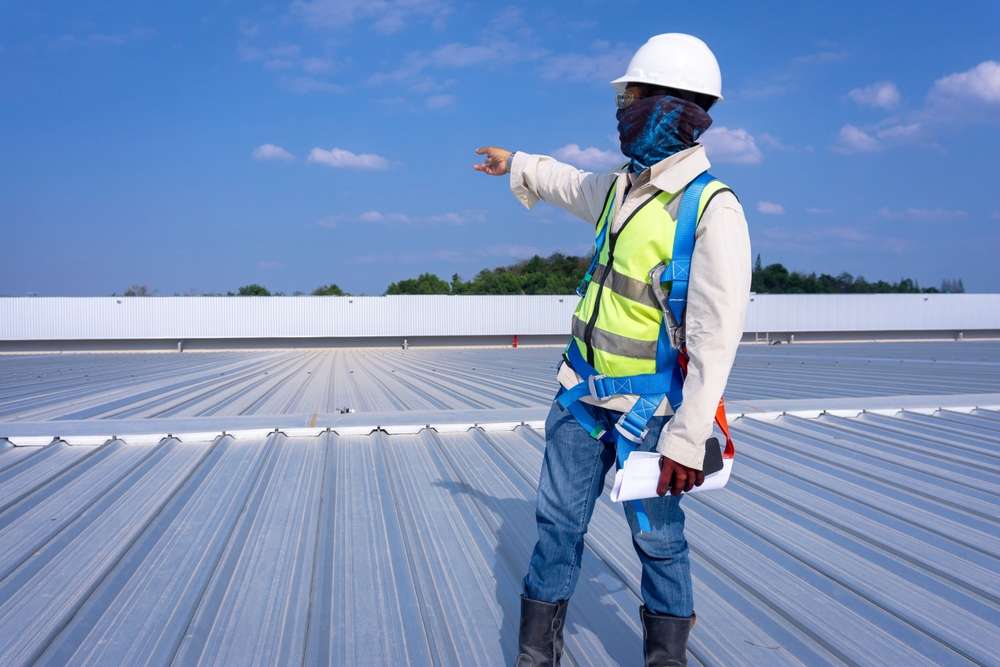
The safety of a high level operation is only as strong as the people executing it. Professional cleaning services rely on teams that have undergone specific training for working at height and operating heavy machinery. At Sentrex, heavy emphasis is placed on supervisor oversight, ensuring that on site teams adhere to the agreed risk assessments throughout the duration of the project. This level of internal accountability ensures that standards do not slip and that the client receives a fully documented trail of the work performed.
For facilities managers, knowing how often should a commercial roof be professionally cleaned is only half the battle; the other half is ensuring that each visit is conducted by a partner who understands the nuances of industrial property maintenance. Choosing a provider with established credentials, such as EcoVadis Silver accreditation or status as a ProcurePublic Framework Partner, gives procurement teams the confidence that they are engaging with a responsible and transparent organisation. If you are ready to discuss a safe, compliant maintenance plan for your site, contact us today to arrange a site survey and risk assessment.
Ultimately, the goal of safe industrial cleaning is to protect the asset while eliminating risk to life. By combining advanced access equipment with expert human oversight and clear industrial cleaning protocols, businesses can maintain their infrastructure without the stress of potential compliance failures. A clean roof is a functional roof, and when cleaned correctly, it remains a safe one for years to come.


