
A single heavy downpour in the UK can move hundreds of litres of water across a commercial roof in minutes. When drainage systems operate as intended, this volume is managed effortlessly, but the reality for many facilities managers is far less predictable. The accumulation of organic matter, industrial pollutants, and windblown debris creates a quiet crisis above the heads of staff and stock. What begins as a thin layer of silt or a small patch of moss can quickly evolve into a structural threat, making professional industrial cleaning services a fundamental necessity rather than a cosmetic luxury.
How Debris Accumulation Compromises Commercial Roof Drainage
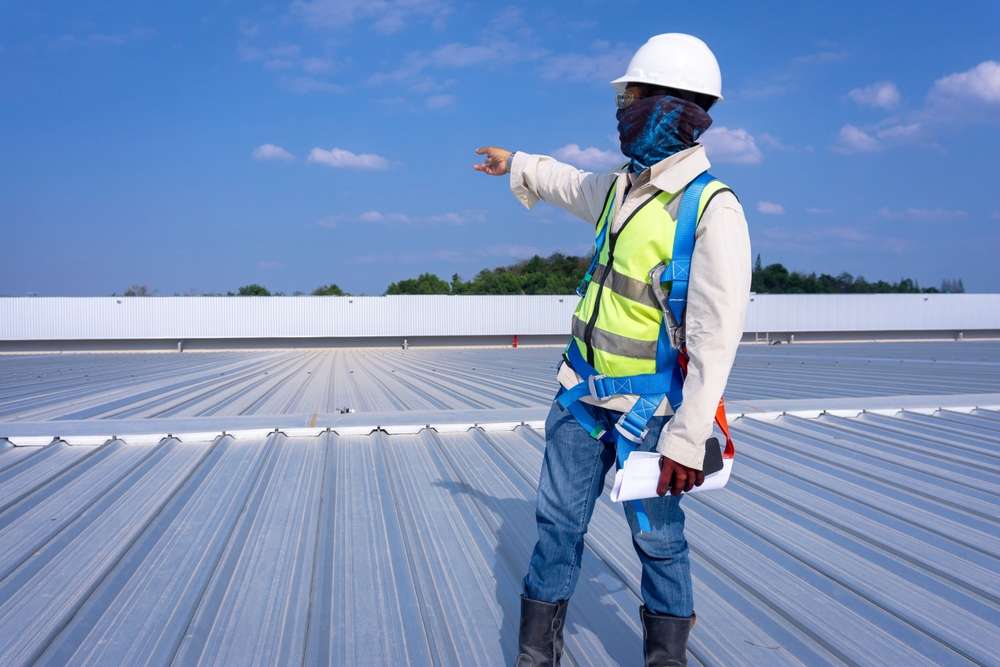
Commercial structures often feature large, flat, or low pitched roof spans that rely on precise falls and high capacity outlets to shed water. Unlike residential properties, where a single blocked pipe might cause a minor overflow, a failure in commercial roof drainage can lead to significant water ponding. Standing water places immense hydrostatic pressure on the roof membrane, which is rarely designed to support the weight of thousands of kilograms of stagnant liquid for extended periods.
Debris acts as a natural dam. Leaves, twigs, and airborne silt gather around internal outlets and parapet gutters, slowing the flow of water and allowing sediment to settle. Over time, this sediment hardens, further reducing the effective diameter of the drainage path. By investing in roof cleaning, facilities managers ensure that the primary escape routes for rainwater remain unobstructed, allowing the building to perform exactly as intended during extreme weather events.
The Direct Link Between Moss Growth and Gutter Failure
Moss is more than an aesthetic issue for industrial units. It acts like a sponge, retaining moisture and increasing the dead load on the roof structure. As moss clusters die back or become dislodged by birds and wind, they travel down the roof pitch and settle in the guttering system. Once these clumps reach the narrow throat of a downpipe, they create a stubborn blockage that is difficult to clear without specialist equipment.
When gutters are filled with organic material, they become heavy and prone to sagging or complete structural failure. Regular moss treatment prevents this cycle of debris migration from starting. This proactive approach ensures that gutter cleaning does not become a catalyst for water damage to the building facade or the internal warehouse floor. Sentrex’s system gives clients visibility and confidence that these biological risks are managed before they impact the wider site drainage.
Recognising the Risks of Saturated Substrates
If water cannot escape the roof surface quickly, it begins to seek alternative paths. Saturated debris holds moisture against joints, seams, and flashings, accelerating the degradation of sealants. This often leads to water ingress that is difficult to trace, as the point of entry may be metres away from where the drip eventually appears inside the building. Implementing a strategy for industrial cleaning that includes the roof deck ensures that the building envelope remains dry and the insulation material within the roof remains effective.
Why Planned Preventative Maintenance Is More Cost Effective Than Repair
Reacting to a leak during a storm is a high stress, high cost activity. Emergency repairs often involve temporary fixes that do not address the root cause of the problem. A regime of planned preventative maintenance allows property managers to identify potential drainage bottlenecks during periods of calm weather. This allows for a more controlled, thorough cleaning process that does not disrupt the daily operations of the business below.
This systematic approach involves more than just removing visible dirt. It includes the inspection of solar panel cleaning needs and the integrity of roof lights, ensuring every element of the roof contributes to a safe environment. This means that clients can budget effectively for upkeep rather than facing the unpredictable and often catastrophic costs associated with water damage repairs or inventory loss.
Protecting Assets Through Integrated Roof Care
A clean roof is a visible indicator of a well managed facility. Beyond the functional benefits of drainage, professional cleaning preserves the lifespan of specialist coatings. For buildings with modern metal or plastic cladding, coordinating roof work with cladding cleaning ensures a uniform standard of protection across the entire exterior. This prevents the run off effect, where dirt from a neglected roof washes down and stains the walls, leading to premature corrosion of the metal panels.
For large scale sites, traditional access methods can be slow or restricted. Utilising drone cleaning allows for rapid assessment and targeted cleaning of high level areas that might otherwise be overlooked. This technology ensures that even the most inaccessible drainage channels are monitored, providing a level of accountability that manual inspections alone cannot match. For ground level areas or accessible walkways, high pressure jet washing can be used to clear stubborn industrial build up that standard sweeping cannot touch.
Ensuring HSE Compliance and Safety
Working at height is one of the most significant risks in facilities management. Every roof care project must strictly adhere to HSE guidance. By employing a professional team that understands the complexities of high level cleaning, businesses transfer the risk to specialists who possess the correct training, insurance, and equipment. A documented cleaning schedule serves as evidence of due diligence, which is vital for insurance compliance and health and safety audits.
The Long Term Value of a Clear Roof

The relationship between a clean roof surface and a functioning drainage system is absolute. Neglecting the former inevitably leads to the failure of the latter. When debris is removed, the risk of leaks becomes significantly lower, and the structural integrity of the property is safeguarded. Regular intervention ensures that small problems, such as a single blocked outlet, do not escalate into a site wide operational shutdown due to flooding.
Establishing a clear understanding of how often a commercial roof should be professionally cleaned allows for a tailored schedule that reflects the specific environment of the building, whether it is surrounded by trees or located in a heavy industrial zone. Understanding what happens if moss and debris are left on a commercial roof highlights how preventable most drainage failures are, and why professional cleaning services on a planned cycle are the simplest safeguard.
If your facility is currently showing signs of slow drainage, or if it has been more than a year since your last professional inspection, taking proactive steps now will protect your assets for the seasons ahead. You can contact us today to discuss a tailored maintenance plan that ensures your commercial drainage remains clear and compliant.


