
Running a leisure centre means managing one of the most demanding hygiene environments in commercial cleaning. Pools, changing rooms, gym floors, and high-footfall reception areas all operate under different conditions, serve different risks, and require different approaches. What connects them is that members notice when standards fall short, often before staff do, and they act on that assessment by leaving or not returning. The ten rules below are the foundations of a hygiene programme that protects people, preserves reputation, and keeps a facility operating to a standard it can be confident in.
The Unique Hygiene Challenge Leisure Centres Face
Warm, humid air, high physical activity, shared equipment, and constant movement between wet and dry zones create conditions that accelerate the spread of bacteria, fungi, and viruses. A leisure centre that manages its hygiene programme well is not simply cleaner than one that does not. It is operationally safer, more resilient to complaints and inspections, and more likely to retain the members it has worked hard to attract.
Understanding why customers leave your gym over cleanliness and the hidden dangers of poor cleaning in gyms and leisure centres sets the context for what follows. Hygiene in a leisure setting is not an operational afterthought. It is central to the member experience and to the sustainability of the business.
Rules 1 to 3: Foundations of a Safe Facility
Getting the foundations right means building hygiene into the structure of how a facility operates, not relying on individual initiative or responding only when something goes visibly wrong. The first three rules establish the framework everything else depends on.
Rule 1: Establish a Written Hygiene Policy
Every leisure centre should operate from a documented hygiene policy that sets out cleaning frequencies, responsible parties, product standards, and escalation procedures. A policy that exists only informally will be applied inconsistently. Written standards create accountability, support staff training, and provide evidence of due diligence if a complaint or inspection occurs.
The UK government’s guidance on health protection in leisure and recreation settings is clear that robust infection control procedures should be formalised and regularly reviewed, not left to individual discretion.
Rule 2: Clean to a Schedule, Not Just When It Looks Dirty
Reactive cleaning responds only to visible mess or member complaints. By the time contamination is visible, it has typically been present long enough to pose a risk. Scheduled cleaning ensures that high-risk areas are addressed at appropriate intervals regardless of appearance, and that the facility maintains a consistent baseline throughout its operating hours.
High footfall areas require more frequent attention than many operators build into their standard schedules. Reception desks, gym floors, changing room benches, and poolside surfaces all see significant contact throughout the day and need cleaning intervals that reflect that reality, not intervals based on how busy the facility looks at any given moment.
Rule 3: Use the Right Products for Each Environment
Not all cleaning products are appropriate for all surfaces or environments. Leisure centres contain a wide range of materials, including pool surrounds, rubber gym flooring, stainless steel fixtures, tiled changing rooms, and upholstered equipment. Each responds differently to cleaning agents, and using the wrong product can damage surfaces, leave residues that attract dirt, or fail to achieve the disinfection level required.
Product selection should be guided by manufacturer specifications, surface compatibility, and the specific pathogens the environment is most likely to harbour. In pool areas, this also means maintaining appropriate water chemistry within the parameters set by the Pool Water Treatment Advisory Group, whose technical standards provide the recognised framework for safe pool water management in the UK.
Rules 4 to 6: Targeting the Areas That Matter Most
Managing hygiene in a leisure centre means understanding where risk concentrates. Some areas demand a level of attention that goes well beyond routine cleaning, and the consequences of underserving them are disproportionate to the effort saved.
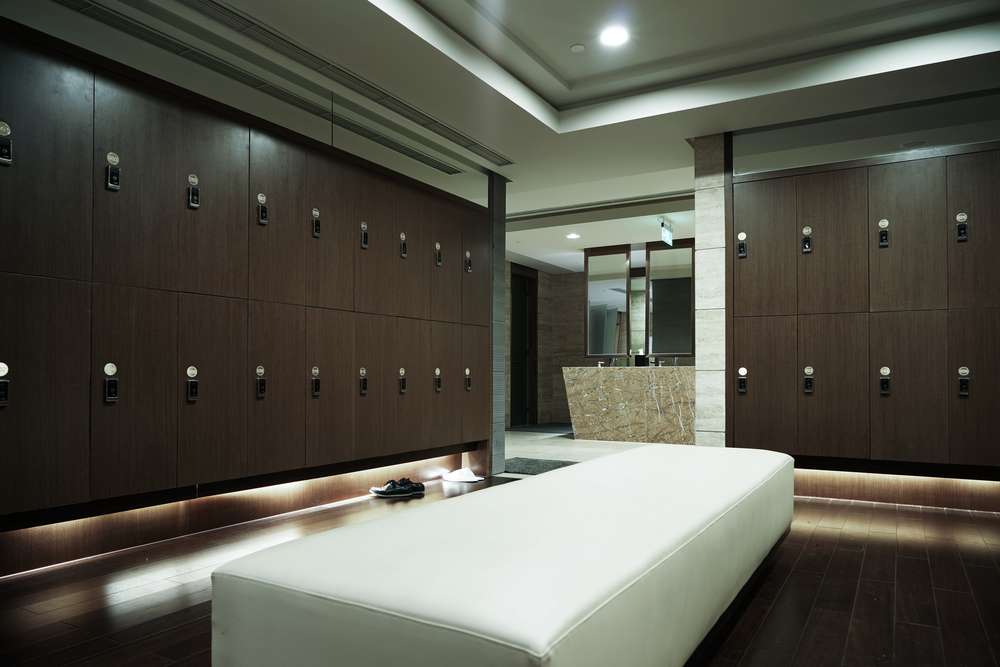
Rule 4: Treat Changing Rooms and Wet Areas as Priority Zones
Changing rooms, showers, and poolside areas are where hygiene failures have the most direct impact on member health. Warm, wet surfaces are ideal conditions for fungal growth, including the organisms responsible for athlete’s foot and similar conditions. Biofilm can develop rapidly on tiled surfaces and drain covers if cleaning frequencies are insufficient. The dirtiest spots in swimming pools and sports halls are almost always in these wet transition zones rather than in the more visible main activity areas.
Deep cleaning of pools, saunas, and changing rooms should be scheduled at regular intervals alongside daily maintenance cleaning. Grout lines, drain channels, locker handles, bench undersides, and showerhead outlets all require periodic attention beyond what a standard daily clean delivers.
Rule 5: Address Gym Equipment Systematically
Shared gym equipment is one of the most significant transfer points for infection in any leisure facility. Handles, pads, screens, and adjustment mechanisms are touched repeatedly by different users throughout the day. Seven of the most common ways germs spread in gyms involve contact with shared surfaces, and the majority of those transfers occur on equipment that appears visually clean.
Member-accessible wipes and sprays contribute to managing this between scheduled cleans, but they are not a substitute for systematic equipment disinfection by trained staff. Cleaning protocols should cover contact points specifically rather than simply wiping down the surfaces that are easiest to reach.
Rule 6: Keep Floors Safe and Clean Throughout Operating Hours
Leisure centre floors present two distinct risks: slip hazards and microbial contamination. Wet footprints migrating from pool and changing areas onto dry sports hall floors, or residue from fitness equipment, can create dangerous surface conditions that lead to falls. The HSE’s guidance on respiratory and airborne risks in commercial environments also applies to leisure settings where dust and airborne particles from high activity areas require active management.
Floor cleaning in leisure centres should be treated as both a hygiene task and a safety function. Protocols should account for transitions between wet and dry zones, appropriate slip resistant treatments, and the specific cleaning requirements of each floor type across the facility.
Rules 7 to 10: Sustaining Standards Over Time
The most significant hygiene failures in leisure facilities are rarely the result of a single lapse. They develop gradually, driven by inconsistent training, insufficient oversight, or a culture that treats cleaning as a secondary concern. The final four rules address how to keep standards from drifting.
Rule 7: Train Staff Thoroughly and Refresh That Training Regularly
Cleaning to a professional standard is a skill. It requires knowledge of product use, dwell times, correct dilution, appropriate personal protective equipment, and the specific requirements of different surfaces and environments. Staff who have not been properly trained will clean to their own standard rather than the facility’s standard, and the gap between the two is rarely visible until something goes wrong.
Training should be documented, refreshed at regular intervals, and extended to cover new products or procedures as they are introduced. A team that understands the reasons behind each protocol, rather than simply following a task list, applies those protocols more consistently and raises concerns earlier when something does not look right.
Rule 8: Audit Hygiene Standards on a Scheduled Basis
Scheduled audits, carried out against documented criteria, provide the oversight that makes written standards meaningful. Without audit, it is impossible to know whether the cleaning programme is being delivered as intended, where gaps are developing, or whether changes in facility use are creating new hygiene demands that the current programme does not address.
Audits also generate the records that demonstrate compliance when a facility is subject to inspection or when a member complaint escalates. Facilities that consistently meet UK hygiene and safety standards are those that verify their own performance rather than assuming it.
The following are the minimum areas a leisure centre audit programme should cover:
- Cleaning frequency records for all scheduled tasks across all zones
- Product usage logs confirming correct dilution and application
- Equipment condition checks, including wear on cleaning machinery and tool hygiene
- Member feedback monitoring for concerns relating to hygiene or facility condition
Rule 9: Respond Quickly to Hygiene Incidents
Every leisure centre will encounter incidents: spills, contamination events, equipment failures, and member reports of hygiene concerns. What distinguishes well-managed facilities is not whether incidents occur, but how quickly and consistently they are addressed. Clear incident procedures, accessible cleaning equipment, and staff who are empowered to act without waiting for authorisation all contribute to a response that contains problems before they grow.
Slow or inadequate responses to hygiene incidents are among the most common triggers for reputational damage and member loss in leisure environments. The reputational harm rarely comes from the incident itself. It comes from the perception that the facility did not treat it as a priority.
Rule 10: Partner With a Professional Cleaning Provider
The breadth of a well-run leisure centre cleaning programme is substantial. It spans multiple environments with different standards, requires specialist equipment and products, and depends on trained teams who understand how to deliver consistent results in a live, member-facing setting. Keeping that programme on track requires more than goodwill and effort. It requires systems, oversight, and the capacity to adapt when demands change.
On-site cleaning teams manage daily maintenance well. Delivering the depth of programme a serious leisure facility requires, across every zone and at every frequency, is a different undertaking. Leisure cleaning services from a specialist provider bring the expertise, the processes, and the verification structures that make sustained performance achievable.
At Sentrex, we build cleaning programmes around the specific character of each facility we work in. Our accreditations reflect the standards we hold ourselves to, and our broader commercial cleaning services mean we can support leisure operators across the full range of their site requirements. If you would like to discuss what a structured hygiene programme could look like for your facility, get in touch with the Sentrex team.


