
While the water in a pool is chemically treated, the area surrounding the pool, and sports halls alike are likely to harbour pathogens.
Identifying the dirtiest spots in these facilities is essential for meeting UK hygiene safety standards and ensuring that your members remain healthy and loyal. From the locker rooms to the equipment storage areas, a superficial wipe down is rarely enough to protect against the spread of infections like Athlete’s foot, Norovirus, or MRSA.
In this guide, we at Sentrex will dive into the microscopic reality of leisure environments and provide actionable disinfection protocols to help you maintain a safe, compliant facility.
1. The locker room – a germ hub
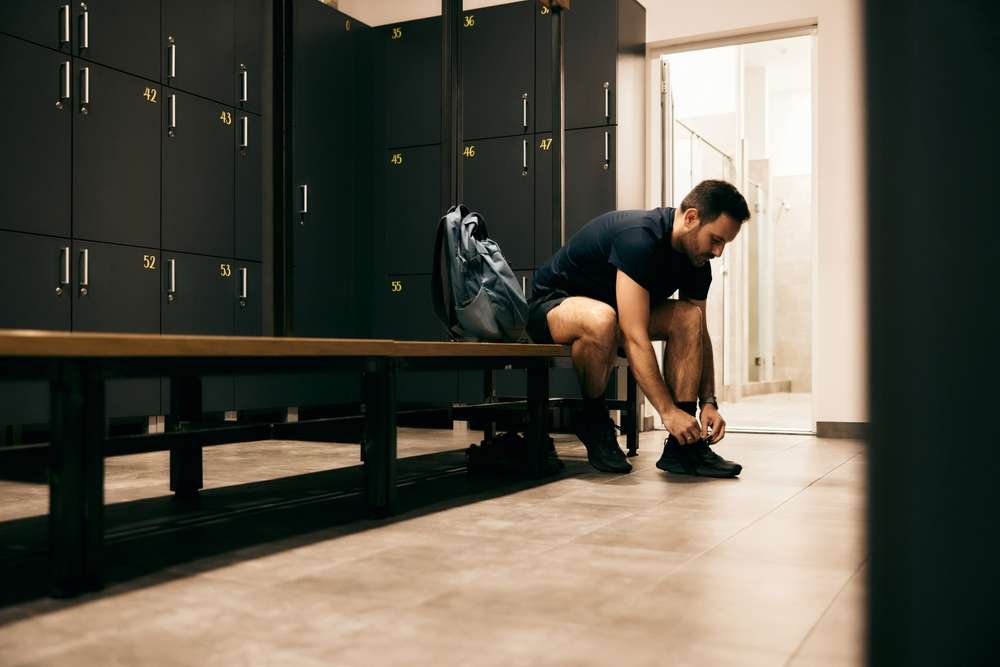
People enter and exit the locker room from outside, or from the sports hall or pool. This means germs are coming from all angles when it comes to locker rooms.
The bench dilemma
Benches are used for sitting, placing gym bags, and sometimes even changing shoes. Because they are often made of wood or porous plastics, they can trap sweat and skin cells. If they are not part of a rigorous commercial cleaning schedule, they quickly become hotspots for cross-contamination.
The floor and grout lines
The floors in changing rooms are almost always damp. This moisture, combined with the warmth of the building, allows fungi to thrive. Grout lines are particularly problematic; they are recessed and porous, meaning standard mopping often just pushes dirty water into the cracks rather than removing it. To understand the scale of the challenge in these zones, it is worth exploring the untold truth about high-footfall areas.
2. Shower areas
It is a common misconception that because shower areas are constantly exposed to soap and water, they are clean. In reality, the shower area germs found in leisure centres are among the most resilient.
Biofilm and slime
The combination of body fats, soap scum, and constant moisture leads to the formation of biofilms. These are slimy layers of bacteria that bond to tiles and shower heads.
Drainage grates
The drainage channels around pools and in showers are often the dirtiest spots in the entire building. They collect hair, skin cells, and debris, creating a nutrient-rich environment for bacteria. Regular deep cleaning for pools, saunas, and changing rooms must involve the physical removal of these grates and a thorough disinfection of the channels beneath. For more on this, see our advice on deep cleaning for pools, saunas, and changing rooms: are you doing enough?
3. Pool decks and walkways
While the pool water itself is regulated by chlorine or bromine, the deck acts as a bridge between the outside world and the water.
Patrons walking from the changing rooms to the pool carry bacteria on their feet. Furthermore, despite “no shoe” policies, dirt, and debris are inevitably tracked in. When this mixes with the pool water splashed onto the deck, it creates a slip hazard and a hygiene risk.
Effective floor cleaning in leisure centres is not just about hygiene; it is a critical safety measure for preventing slips and falls. A build-up of body oils and calcium on the deck can make surfaces incredibly slick, even if they look dry.
4. Sports hall equipment and high-touch surfaces
Moving away from the water, the sports hall presents a different set of challenges. Here, the primary concern is the high-touch surfaces that are shared between teams and classes.
Shared equipment
Think of the items that move through dozens of hands every hour:
- Balls, and racquets.
- Gymnastics mats and foam blocks.
- Wall bars and pull-up stations.
And so much more.
Gymnastics mats, in particular, are notorious for harbouring bacteria. They are often made of vinyl that can develop micro-tears, trapping sweat and germs inside the foam core. Without a specific cleaning checklist that includes equipment sanitisation, these items can facilitate a rapid spread of illness. This is one of the 7 shocking ways germs spread in gyms and sports halls.
5. Door handles, handrails, and keypads
In any public building, the most frequently touched items are often the most neglected. In a sports hall or pool, this includes the handles to the equipment store, the handrails leading into the pool, and the keypads used for locker access.
The speed of transmission
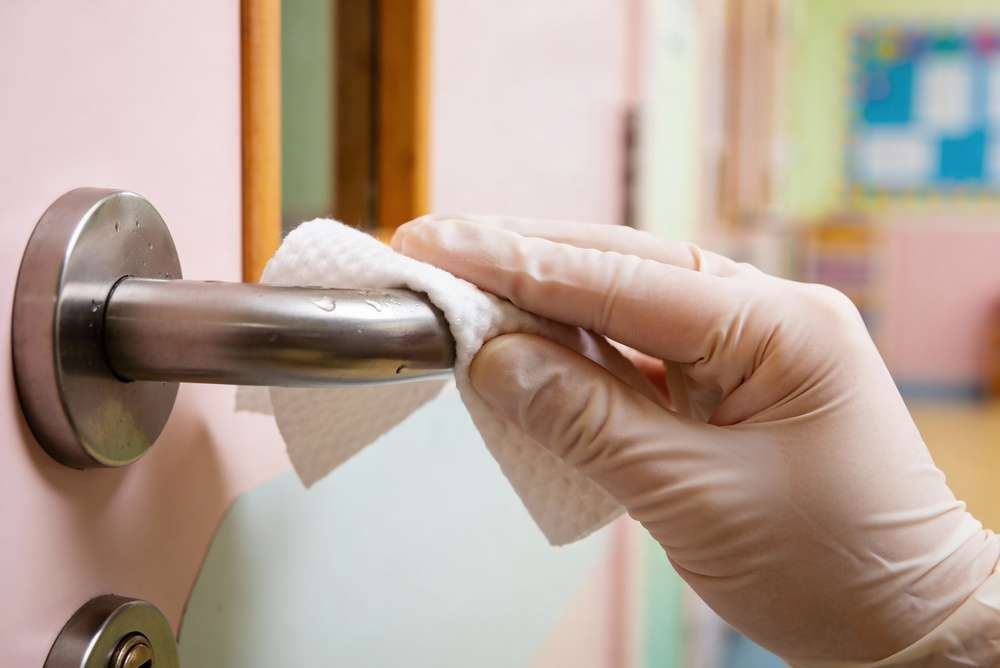
A handrail in a humid pool environment is often damp, which significantly increases the survival time of many viruses. Swimming pool hygiene must extend to these entry and exit points. A robust disinfection protocol should mandate that these surfaces are wiped down with a virucidal cleaner multiple times per day, especially during peak hours.
To ensure your facility is up to standard, you should ask: are your leisure facilities meeting UK hygiene safety standards?
6. Drinking fountains and water stations
In a sports hall where physical exertion is the goal, drinking fountains are essential. However, the mouthpieces and the splash basins of these fountains are frequently contaminated with respiratory droplets and oral bacteria.
Maintenance and cleaning
These stations require daily disinfection and regular descaling to prevent the build-up of minerals, which can protect bacteria from the effects of sanitisers. Neglecting these areas is one of the hidden dangers of poor cleaning in gyms and leisure centres.
Your leisure facility cleaning checklist
To maintain a safe environment, your cleaning team should follow a prioritised schedule. Below is a framework for daily and weekly tasks.
Daily hygiene priorities
- Locker rooms: Disinfect benches and high-touch points every 2-4 hours.
- Showers: Daily scrub of floors and walls to prevent biofilm build-up.
- Pool decks: Daily wash-down with a dedicated deck cleaner to remove body oils.
- Sports equipment: Wipe down shared balls and mats after each session.
Weekly deep-cleaning tasks
- Drains: Remove grates and flush channels with a biological cleaner.
- High-level dusting: Clean tops of lockers, vents, and light fixtures.
- Floor scrubbing: Use a rotary floor machine to deep-clean grout and non-slip tiles.
Procurement and professional standards
For facility managers, the decision to hire an external leisure cleaning partner is often driven by the need for consistency and specialised equipment. Professional cleaners bring more than just a mop; they bring an understanding of COSHH (Control of Substances Hazardous to Health) and the specific chemical requirements of a pool environment.
Why accreditations matter
In a sector where public safety is paramount, you must ensure your cleaning partner holds the necessary accreditations. These certifications prove that the company follows rigorous safety protocols and uses industry-approved disinfectants. You can learn more about us and our approach to commercial hygiene on our dedicated pages.
Sustainability in leisure cleaning
Modern facilities are increasingly looking for “green” alternatives. High-pressure steam cleaning can often reduce the need for harsh chemicals, and biodegradable disinfectants are now available that effectively target pool deck contamination without impacting the pool’s chemical balance.
The impact of poor hygiene on your reputation
The dirtiest spots are often the first thing a customer notices. If a parent sees mould in the showers or a sticky bench in the locker room, they are unlikely to return. Beyond the health risks, poor hygiene is the fastest way to damage a leisure centre’s brand.
By implementing a proactive, visible cleaning strategy, you not only protect your users but also demonstrate your commitment to their wellbeing. This builds trust and encourages long-term membership.
Take action today
The dirtiest spots in your facility don’t have to stay that way. By identifying the hotspots from the locker room benches to the sports hall mats you can create a targeted, effective cleaning strategy that keeps illness at bay and members coming back.
Whether you manage a small school sports hall or a large multi-site leisure complex, the principles of hygiene remain the same: frequency, the right chemicals, and professional standards.
Is your facility as clean as it could be? Don’t wait for a complaint or a health inspection to find the gaps in your routine. Contact us at Sentrex today for a professional site audit or a bespoke quote for our specialised leisure cleaning services. Let us help you keep your facility safe, compliant, and sparkling clean.


