
Slips and falls are among the most common accidents in leisure centres, often caused by poor floor maintenance. We’ll explore how effective floor cleaning not only improves hygiene but also plays a vital role in preventing unnecessary injuries and ensuring a safe environment for all those who visit your leisure centre, whether they’re by the pool, in the gym, or walking into reception.
Why Floor Safety Is Critical in Leisure Centres
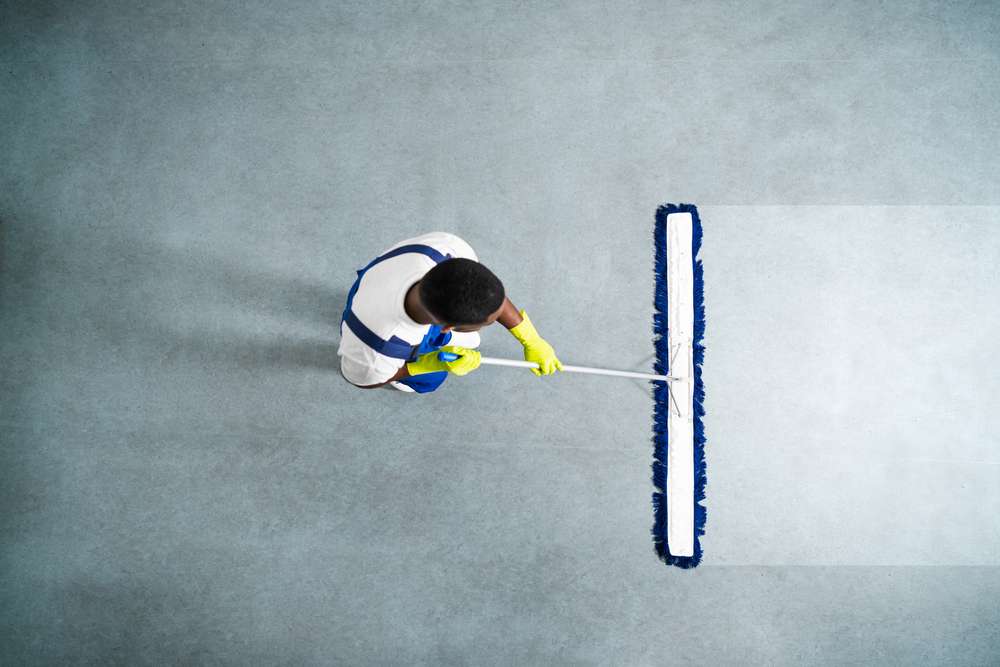
Floor safety is critical in leisure centres to prevent accidents, maintain hygiene, and ensure the well-being of all users. With constant foot traffic from people in wet conditions – especially around pools, changing rooms, and gyms – slippery surfaces can lead to serious injuries such as fractures or head trauma. Ensuring proper floor traction, signage, and cleaning routines helps reduce these risks and fosters a safe environment for everyone, no matter how young or old.
From a hygiene perspective, clean and well-maintained floors prevent the spread of bacteria, fungi, and viruses, especially in areas where people are barefoot. Damp or dirty floors can become breeding grounds for infections like athlete’s foot or verrucas, impacting both personal health and the centre’s reputation.
Safety compliance is also a legal requirement under health and safety regulations. Failure to manage floor safety could result in liability claims, financial penalties, or loss of operating licences. Regular risk assessments, appropriate flooring materials, and staff training are essential to uphold these standards.
Ultimately, a safe floor system enhances user confidence and satisfaction, encouraging repeat visits and promoting a positive image for the leisure centre. It’s not just a maintenance issue – it’s a vital component of health protection and service quality.
Common Slip and Fall Risk Areas
Slippery floors in sports facilities are mainly caused by water, sweat, body oils, and cleaning product residues. These substances reduce surface friction, especially on smooth or worn flooring. Leisure centres contain several high-risk zones where such conditions are frequent, and without proper management, they can lead to accidents. The main areas to monitor closely are:
- Pool surrounds
- Changing rooms
- Gyms and studio floors
- Reception and corridors
Let’s look at how and why you should prevent slips and falls in each high-risk area.
Pool Surrounds
Poolside areas are constantly wet due to splashing, dripping swimmers, and humid conditions. The combination of water and smooth tiles makes slips very likely, especially as users are barefoot. These zones must have slip-resistant flooring and clear signage so those in attendance will be more careful.
Regular mopping, proper drainage, and enforcing no-running rules are essential. Staff should inspect these areas frequently to spot hazards early and act quickly.
Changing Rooms
Changing rooms are high risk due to water from showers, damp towels, and condensation on hard surfaces. Moisture often lingers, especially in corners or under benches, creating slippery patches. Frequent cleaning with anti-slip products, use of absorbent floor mats, and promoting towel-drying before entry help reduce risk.
Ventilation and prompt response to spills also make a significant difference in keeping the area safe.
Gyms and Studio Floors
In gyms and studios, sweat and spilt water from bottles contribute to slippery spots, especially during high-activity sessions. Worn or improperly maintained flooring can worsen this.
Staff should encourage users to wipe equipment and wear appropriate shoes. Regular floor checks, non-slip surfaces, and controlled cleaning schedules with the right products are vital to maintaining traction and reducing fall risks.
Reception and Corridors
These high-traffic areas see a mix of wet footwear, outdoor dirt, and sudden moisture from rain or snow brought in from visitors’ feet or dripping umbrellas, which can create slick conditions quickly if mats or drainage are inadequate. Non-slip entry mats, routine floor cleaning, and prompt removal of puddles are essential. Staff should be trained to respond quickly and place warning signs when needed to protect visitors and staff alike.
How Professional Cleaning Reduces Slip Hazards
Professional cleaning plays a vital role in reducing slip hazards in leisure centres by maintaining high hygiene standards and ensuring that floors remain dry, clean, and safe for users. Dirt, sweat, water, and product residues such as soap or oils can accumulate quickly, especially in high-traffic areas like pool sides, changing rooms, and gyms. If these substances are not removed effectively, they can create an invisible layer that significantly reduces floor traction.
Professional cleaning teams are trained to use appropriate equipment and cleaning agents that not only sanitise but also preserve the slip resistance of floor surfaces. They also follow schedules that minimise disruption while ensuring no area is left unaddressed, especially during peak usage times.
To prevent slips and falls in leisure centres, a proactive and layered approach is essential. First, installing the right type of flooring in each area, such as non-slip tiles near wet zones and rubber surfaces in gyms, provides a strong baseline for safety. Regular risk assessments should be conducted to identify any hazards, such as worn flooring or pooling water.
Warning signs must be used immediately when floors are wet or under maintenance. Staff should be trained to spot potential slip risks, clean up spills promptly, and report any damage to the flooring to have problem areas fixed as soon as possible.
User behaviour is also a key factor. Clear signage encouraging proper footwear, no running, and drying off before entering dry zones helps reduce unnecessary risks. Providing adequate drainage, entrance mats, and ventilation in moisture-prone areas further limits exposure to wet surfaces.
Finally, a documented cleaning protocol covering frequency, products used, and who is responsible ensures accountability and consistency. Together, professional cleaning and preventive strategies create a safer environment, reduce the risk of injury, and maintain the trust and well-being of those who use the leisure centre.
Best Practices for Floor Cleaning in Leisure Facilities
Best practices for floor cleaning in leisure facilities focus on:
- Preventing slips
Maintaining hygiene - Preserving the quality of flooring materials
Since leisure centres experience high footfall and exposure to moisture, sweat, and dirt, a strategic, consistent approach to floor care is essential for safety and cleanliness.
The first key practice is using the right cleaning products for each surface. Different flooring types, such as tiles, vinyl, rubber, or wood, require specific detergents that clean effectively without leaving behind slippery residues.
Professional-grade, low-foaming, neutral pH cleaners are ideal, especially in wet zones like pool areas or changing rooms. Harsh chemicals should be avoided, as they can damage floor finishes or become hazardous when mixed with moisture.
Regular cleaning schedules must be tailored to each zone’s usage. For example, gym floors may need wiping down multiple times a day due to sweat and spills, while pool surrounds require frequent mopping to remove standing water. Cleaning should occur during low-traffic times when possible, with signs clearly displayed during and after the process to warn of wet floors.
Equipment matters too. Microfibre mops, automatic scrubber-dryers, and squeegees help remove dirt and moisture efficiently. Clean water should always be used – dirty mops simply spread grime around and increase risks.
All cleaning staff should be trained in correct techniques and safety procedures, including the importance of drying floors properly and recognising early signs of wear or damage.
Routine inspections and record-keeping support accountability and allow quick responses to any emerging issues. A floor maintenance log, detailing when and how each area was cleaned, adds transparency and supports compliance with health and safety regulations.
By applying these best practices, leisure facilities can minimise accidents, extend the life of flooring, and provide a consistently clean, safe environment for all users.
How Sentrex Supports Health & Safety Compliance
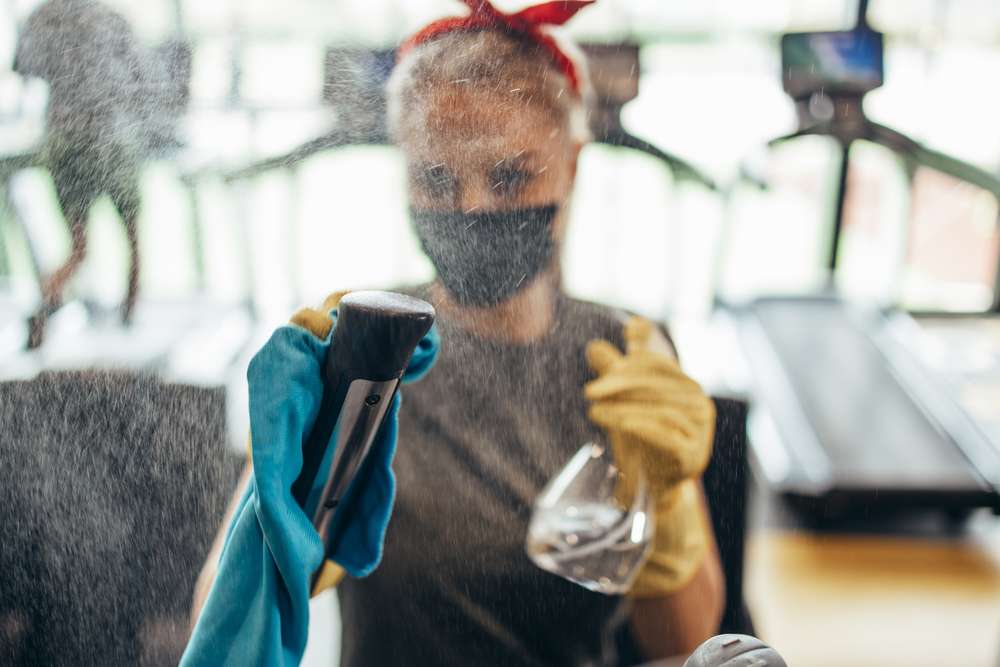
Sentrex supports health and safety compliance by delivering high-quality cleaning services that directly reduce slip and fall risks through effective hygiene management. Our professional teams use industry-approved methods to eliminate moisture, dirt, and residues that can cause accidents, ensuring all areas meet safety standards.
By maintaining clean, dry, and well-kept floors, Sentrex helps prevent common injuries in leisure environments. Our tailored cleaning solutions are designed around your centre’s specific needs, whether it’s pools, gyms, or communal areas, ensuring optimal safety and hygiene. With Sentrex, you gain a reliable partner focused on protecting both your users and your reputation.
Book a Site Survey with Sentrex Today
Protect your staff and visitors – partner with Sentrex for expert floor cleaning that reduces slip risks in your leisure centre. Contact us today for a tailored quote.


