
Gyms are designed to help people build strength and improve their health. But hidden in plain sight, they are also home to a variety of germs. With constant foot traffic, shared equipment, and close-contact activities, gyms create the perfect environment for bacteria, fungi, and viruses to spread. For gym owners and leisure facility managers, knowing exactly how germs travel is essential for protecting members and staying compliant with health and safety regulations.
In this article, we’ll reveal seven shocking ways germs spread in gyms, highlight hygiene hotspots you might be overlooking, and share how professional services like Sentrex leisure cleaning can keep facilities safe, spotless, and welcoming.
Why Germ Prevention Matters for Gym Reputation

Cleanliness in a gym is about more than just ticking a compliance box. It has a direct impact on reputation and customer trust. Members expect a clean, safe space to work out in, and if they feel that hygiene is being neglected, they may choose to take their membership elsewhere.
In today’s digital age, reviews and social media posts can amplify these perceptions. A single negative comment about dirty equipment or unhygienic changing rooms can discourage potential new members. On the other hand, when visitors notice spotless facilities and proactive cleaning measures, it builds confidence and loyalty.
Investing in effective cleaning routines is an investment in reputation. By taking germ prevention seriously, gym managers not only keep members healthy but also create an environment where people feel valued, safe, and motivated to return.
1. Shared Gym Equipment
Dumbbells, barbells, resistance machines, treadmills, yoga mats — every piece of equipment is touched by dozens, if not hundreds, of people each day. Sweat, skin cells, and even respiratory droplets accumulate on these surfaces, creating a breeding ground for microbes.
Studies show that free weights can harbour more bacteria than a toilet seat. Without consistent disinfecting routines, this equipment becomes a revolving door for illnesses such as staph infections, flu, and common colds. Even textured grips on machines can trap germs, making quick wipe-downs less effective unless deep cleaning is carried out regularly.
2. Airborne Transmission During Intense Workouts
Gyms aren’t just about surfaces; the air itself can carry risk. During heavy workouts, people breathe harder, cough, or sneeze. These actions release droplets and aerosols that can linger in poorly ventilated areas.
Cardio rooms, spin classes, and enclosed studios are particularly vulnerable. If ventilation is substandard, airborne particles can spread infections like flu and COVID-19 far more efficiently. Improving airflow is one of the most effective ways to limit airborne germ transmission. Simple solutions, like opening windows, alongside advanced systems such as HVAC upgrades, help create safer environments.
For managers concerned about compliance, Sentrex provides eco-friendly cleaning services that incorporate air quality considerations into hygiene strategies.
3. Changing Rooms and Showers
Warm, damp conditions in changing rooms and showers make them prime hotspots for fungal infections. Athlete’s foot, ringworm, and verrucas thrive in these environments, especially when floors and benches aren’t cleaned frequently.
Moisture trapped in tiled grout, on locker handles, and in shared cubicles provides perfect habitats for mould and bacteria. Visitors walking barefoot spread germs across wet surfaces, and infections can multiply quickly when facilities aren’t maintained.
Deep cleaning of these areas is essential. Sentrex staff training ensures cleaning teams know how to tackle high-risk zones like showers and locker rooms with specialist products that target fungi as well as bacteria.
4. High-Touch Surfaces Few People Think About
Door handles, railings, water fountains, lockers, and even vending machines — all are touched countless times every day. These surfaces are easy to overlook, but they can spread gastrointestinal illnesses, colds, and other infections rapidly.
While members may remember to wipe down a bench after use, they rarely sanitise door handles or locker keys. This is where professional cleaning schedules make the difference. Through cleaning staff monitoring, Sentrex ensures that no touchpoint is forgotten. Real-time systems guarantee accountability and allow facility managers to maintain high standards with confidence.
5. Direct Contact in Group Activities
Group classes like yoga, martial arts, or wrestling often involve close contact between participants. Shared mats, gloves, or even direct skin-to-skin contact can spread bacterial and viral skin infections at alarming rates.
Instructors and staff should reinforce hygiene practices, but even with precautions, contact-based activities need stricter cleaning measures. Mats and gloves require daily disinfection, and deeper sanitisation should be scheduled at regular intervals.
To meet UK hygiene standards, gym managers must go beyond surface cleaning and adopt holistic infection-control strategies that include training, signage, and specialist disinfection services.
6. Floors and Footwear
Floors are one of the dirtiest parts of a gym, yet they’re often underestimated. Every step carries in germs from outside, including bacteria from streets, toilets, and public transport. When members drop a towel or do floor exercises, they’re exposed to whatever microbes have been tracked in.
This becomes even riskier in barefoot areas such as yoga studios or martial arts mats. Regular sweeping isn’t enough; professional solutions like power-scrubbing, steam cleaning, and auto-scrubbing are necessary to keep bacteria at bay.
Sentrex offers advanced floor-cleaning methods, covered in detail in their guide on floor cleaning in leisure centres, helping reduce slips, odours, and germ risks simultaneously.
7. Shared Facilities Like Pools and Toilets
Swimming pools, hot tubs, and toilets bring an entirely different level of risk. Warm water in pools can harbour chlorine-resistant organisms if maintenance isn’t meticulous. Public toilets, taps, and cubicle handles are prime culprits for spreading gastrointestinal illnesses through faecal matter.
When these spaces aren’t managed with strict cleaning schedules, outbreaks can spread quickly. Professional cleaning, combined with regulatory compliance, helps managers meet requirements under the Health and Safety at Work Act 1974 and the Workplace (Health, Safety and Welfare) Regulations 1992.
For detailed support, Sentrex publishes insights such as deep cleaning for pools, saunas, and changing rooms — ensuring no corner of your facility is overlooked.
Daily vs. Deep Cleaning: What Is the Difference?
Not all cleaning is the same, and in gyms both daily and deep cleaning routines play an important role. Daily cleaning focuses on high touch surfaces and equipment, using disinfectant wipes, sprays, and vacuuming to maintain a basic level of hygiene. This is the first line of defence against fast spreading bacteria and viruses.
Deep cleaning, however, goes much further. It involves tackling hidden germs in places that daily routines cannot reach, such as steam cleaning locker room tiles, power scrubbing gym floors, and using specialist equipment for carpets and upholstery. These intensive methods remove stubborn dirt, odours, and microbial build up that regular cleaning leaves behind.
At Sentrex, we combine both approaches into tailored schedules, ensuring that gyms remain spotless day to day while also receiving the thorough deep cleans needed to meet UK hygiene and safety standards. This balance keeps leisure facilities compliant, safe, and always ready to welcome members.
How to Stop Germs Spreading in Gyms
Although germs are unavoidable, their spread can be significantly reduced with the right practices:
- Provide hand sanitiser and antibacterial wipes for members.
- Encourage personal hygiene through signage (“Catch it, Bin it, Kill it”).
- Train staff to recognise sanitation issues and follow proper cleaning protocols.
- Schedule daily cleaning and regular deep cleans for high-traffic areas.
- Improve ventilation across workout areas and changing rooms.
Managers who partner with expert services like Sentrex benefit from bespoke cleaning schedules tailored to their facility’s unique risks.
Why Partner with Sentrex for Gym Cleaning?
Sentrex Services is a trusted provider of professional cleaning across the UK, covering everything from gyms to industrial sites. With over 600 trained professionals, Sentrex delivers:
- Bespoke cleaning solutions tailored to each facility.
- Flexible schedules designed to minimise disruption.
- Accredited services that meet the highest compliance standards.
- Innovative monitoring through cleaning staff tracking systems.
- Comprehensive eco-friendly cleaning solutions.
As a company recognised for rigorous standards and trade body memberships, Sentrex ensures facilities not only look spotless but remain hygienic and legally compliant.
You can find out more about who Sentrex are and how we operate, including our values, approach, and commitment to client safety.
Conclusion
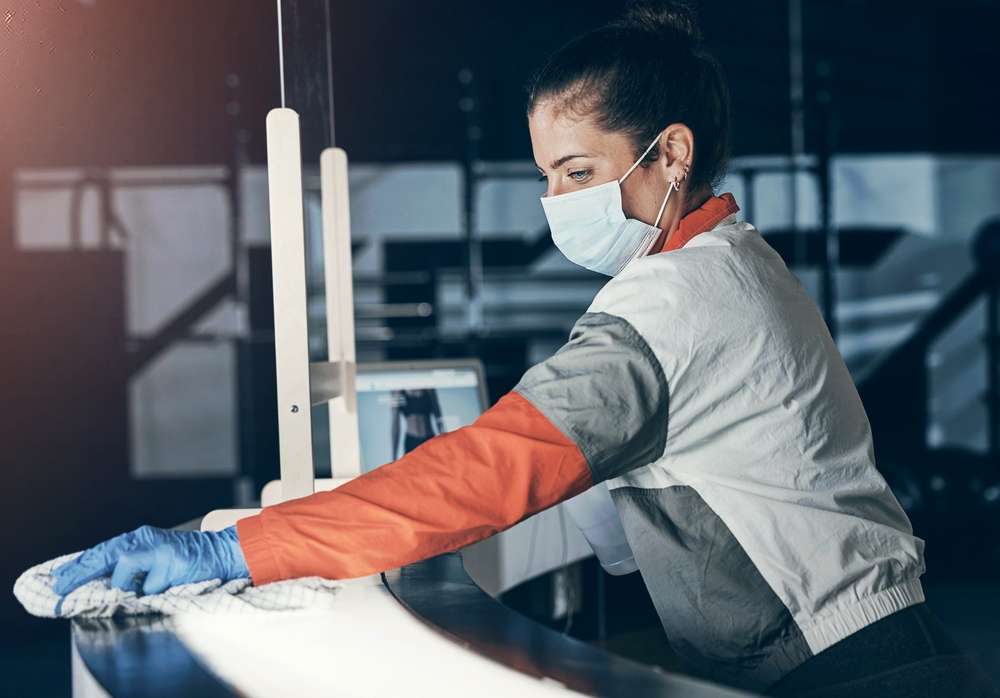
The truth is, germs are everywhere in gyms — on equipment, in the air, across changing rooms, and even on the floors. By understanding these seven shocking ways germs spread, managers can implement more effective cleaning strategies and protect members from avoidable health risks.
With professional support from Sentrex, your gym or leisure centre can stay ahead of compliance requirements, impress visitors, and maintain a spotless reputation.
Contact Sentrex today to secure expert cleaning services tailored to your facility.


