
The empty corridors of August offer a rare window of opportunity for site managers. While the summer break provides a much needed rest for staff and pupils, it is the most intensive period of the year for facilities teams. The transition from a quiet, vacant building to one housing hundreds of children requires more than a standard vacuum and polish. A strategic approach to school September cleaning ensures that the environment is not only visually welcoming but biologically safe for the new academic year.
Preparing for the autumn term involves addressing areas that are often inaccessible during the busy weeks of the GCSE and A Level seasons. Dust settles in high level spaces, water systems sit stagnant, and carpets harbour allergens that can affect indoor air quality. By following a structured pre term plan, schools can mitigate the risk of early term illness outbreaks and ensure all facilities remain compliant with UK education cleaning standards.
The Essential School Summer Holiday Cleaning Checklist
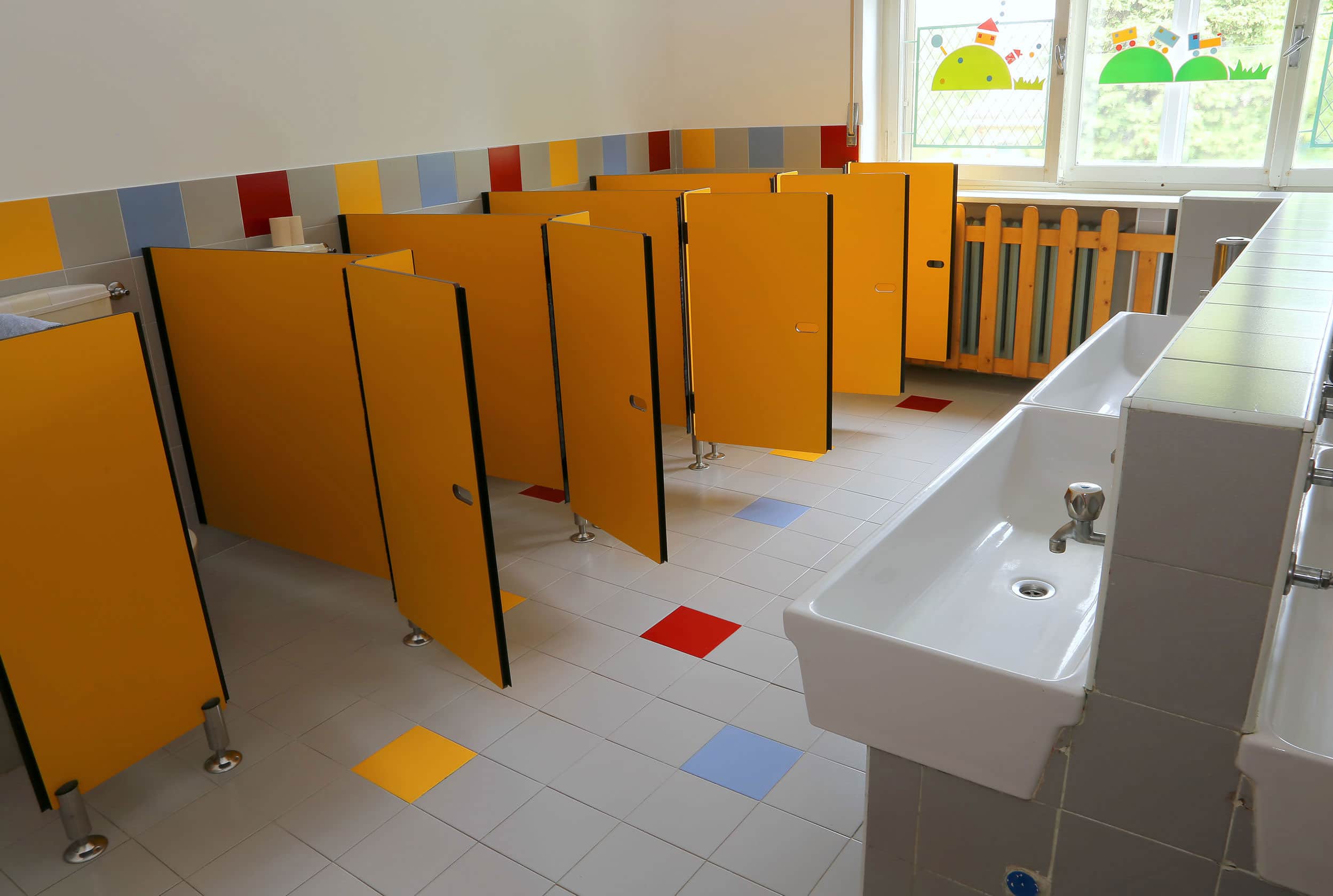
A comprehensive deep clean during the school holidays should focus on the heavy duty tasks that daily rotas simply cannot accommodate. This is the time for floor restoration and deep carpet extraction. Over the academic year, hard floors in hallways and dining areas suffer significant wear. Stripping and resealing these surfaces during the summer protects the underlying material and makes daily maintenance much easier once the term begins.
Wall surfaces and high level fixtures also require attention. In many classrooms, dust accumulates on top of cupboards, light fittings, and projectors. Removing this buildup is vital for respiratory health, particularly for pupils with asthma. Using professional cleaning services during this period allows for the use of industrial grade equipment that can reach these areas safely and efficiently, ensuring the building is truly ready for occupancy.
Beyond the visible surfaces, facilities managers must consider the hidden risks of a dormant building. Water hygiene is a primary concern. Any outlets that have not been used for several weeks should be flushed to prevent the growth of Legionella bacteria. This is a critical part of maintaining high standards and ensuring the site meets all health and safety obligations before the first bell rings.
Prioritising High Traffic Germ Hotspots
When pupils return, the sheer volume of touchpoints increases the speed at which bacteria and viruses spread. Focusing efforts on specific areas can significantly prevent the spread of germs in schools. Washrooms are the obvious priority, requiring a total sanitisation of all surfaces, including walls, partitions, and cistern handles. However, other areas are frequently overlooked during the rush of the new term.
Shared equipment in computer labs, science blocks, and libraries needs careful attention. Keyboards, mice, and touchscreens are notorious for harbouring pathogens. Similarly, communal staff rooms and administrative offices should be included in the review of germ hotspots in classrooms teachers forget about to ensure the entire school community is protected. A systematic approach ensures no area is left to chance.
Improving Air Quality and Classroom Hygiene
Classrooms are high occupancy spaces where air quality directly impacts pupil concentration. During the summer, it is important to clean ventilation grilles and window frames where mould or spores may have developed. Fabric items, such as curtains or rugs in primary settings, should be laundered or steam cleaned to remove deeply embedded dust and allergens. This attention to detail is one of the school cleaning tips that keep illness at bay during the winter months when windows are less likely to be opened.
For many schools, the summer is also the time to address the most overlooked germ hotspots in schools and how to fix them, such as door push plates and stair bannisters. These surfaces are touched thousands of times a day. Applying long lasting antimicrobial coatings or ensuring a thorough deep clean before term starts provides a clean baseline for the daily cleaning teams to maintain.
Why Schools Need Regular Deep Cleaning Every Summer
The benefits of a summer deep clean extend beyond hygiene. A well maintained building creates a positive impression on parents, inspectors, and prospective staff. There is a documented link between the physical environment and educational outcomes. This is why many headteachers ask can school cleanliness improve your Ofsted rating. While it is not a direct metric, a clean and orderly environment signals strong leadership and a culture of care.
Regular maintenance also protects the school’s budget. Allowing dirt and grit to build up on carpets or hard floors leads to premature wear, resulting in expensive replacement costs. By investing in a thorough summer cleaning programme, facilities managers extend the lifespan of the building’s assets. This proactive approach reduces long term capital expenditure and ensures the school remains a safe place for children to learn and grow.
Understanding why schools need regular deep cleaning helps governors and budget holders recognise it as an essential investment rather than a luxury. It allows for the removal of dirt worked into surfaces that daily cleaning cannot touch, such as the residues found in the dirtiest spots in schools that cleaners know about, including gym mats and changing room drains.
Meeting Compliance and Education Standards
Accountability is at the heart of modern school management. When schools partner with an external provider for their school cleaning needs, they gain access to a level of transparency that is difficult to achieve with in house teams alone. Sentrex ensures that all work is documented, providing a clear audit trail for health and safety inspections. This gives business managers the confidence that their site is fully compliant with the latest UK legislation.
Sentrex’s status as a ProcurePublic Framework Partner and its accreditations demonstrate rigorous, independently verified standards. This means that clients can rely on a service that is both effective and environmentally responsible. Sentrex uses specialised products designed to kill pathogens while remaining safe for use around children. This balance is crucial for maintaining a healthy school environment throughout the long autumn term.
Addressing the question of how clean are schools really often reveals gaps in traditional cleaning rotas. A professional approach bridges these gaps by using technology and proven processes to reach areas that are otherwise missed. This methodical approach is the foundation of a successful academic year.
Planning Your Pre Term Cleaning Strategy
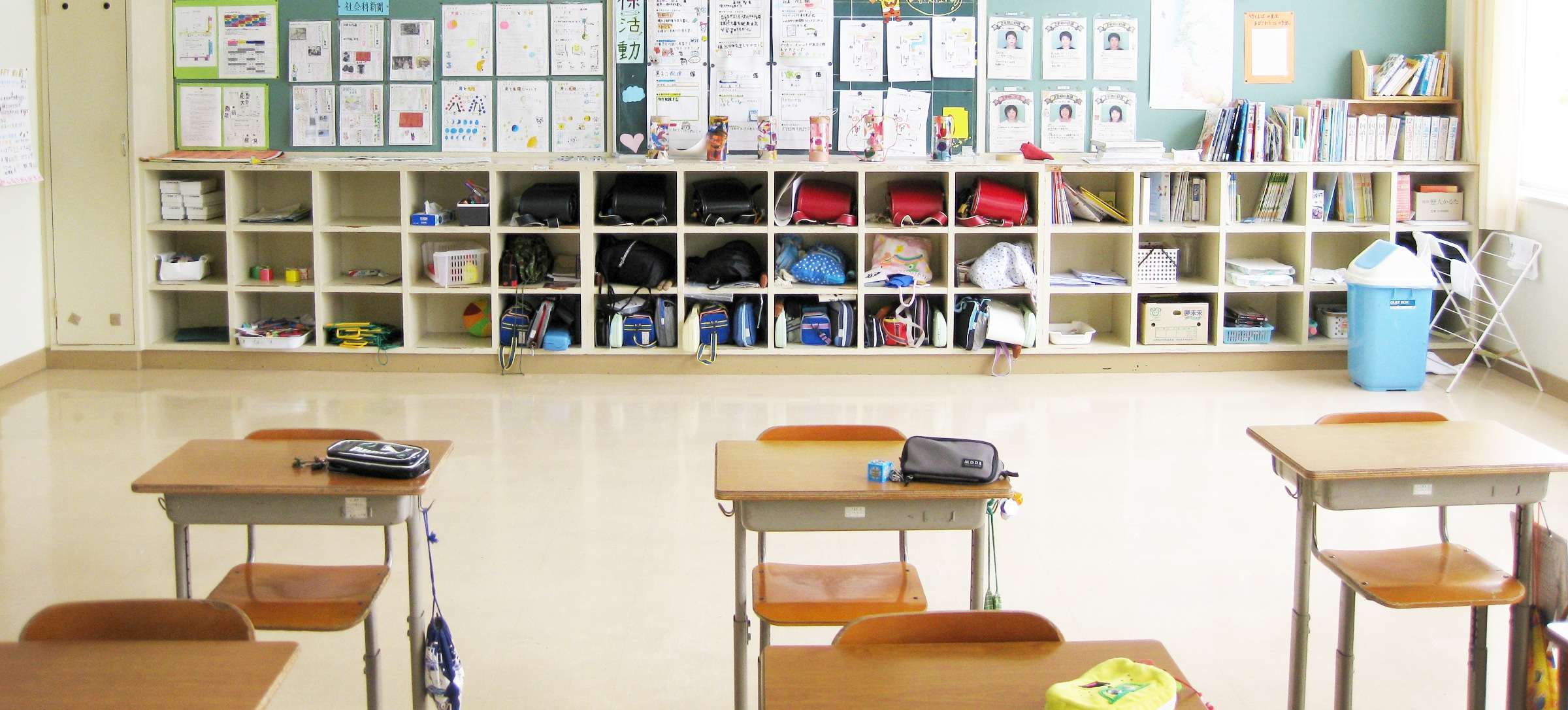
The most effective summer cleans are planned well in advance. Facilities managers should assess the specific needs of their site, identifying which areas require specialist intervention, such as high level window cleaning or kitchen ductwork degreasing. By scheduling these tasks during the quietest weeks of the year, schools avoid the disruption of having contractors on site during the busy induction days for new staff and pupils.
Outsourcing these intensive tasks to a partner who understands how better cleaning protects children’s health allows school staff to focus on curriculum planning and pastoral care. It removes the administrative burden of managing large scale cleaning projects internally. If you are preparing your site for the new term, you can learn more about Sentrex and its experience in the education sector, or contact us to discuss a tailored cleaning schedule for your school.


