
While the obvious mess—muddy footprints or spilled paint—is dealt with quickly, the invisible accumulation of bacteria and viruses in specific school hotspots often goes unnoticed by everyone except the people paid to scrub them.
At Sentrex, we don’t just clean what you can see; we tackle the biological risks that you can’t. Through years of providing commercial cleaning services to the education sector, our teams have identified a hierarchy of grime that exists in almost every school building.
This guide pulls back the curtain on the areas that cleaners know are the true infection risks. We offer a pragmatic look at the dirtiest spots in schools, helping you prioritise your budget and protect your staff and pupils more effectively.
Beyond the classroom: The “invisible” danger zones
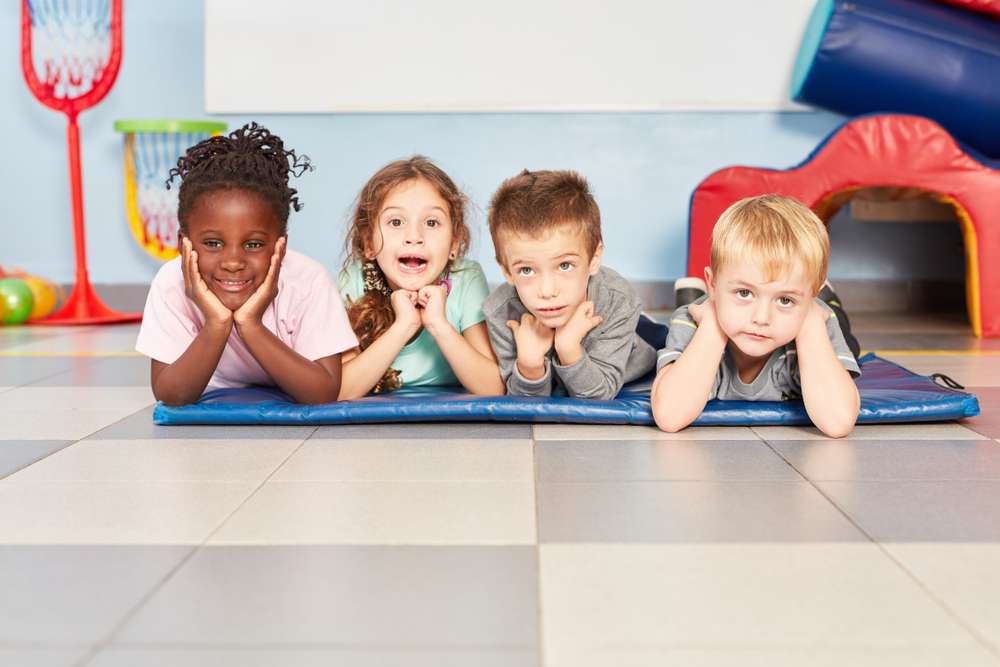
Germs do not respect departmental boundaries. They travel from the playground to the dining hall, and from the toilets to the staff room, often hitching a ride on the hands of hundreds of pupils.
Understanding where these pathogens congregate is essential for effective infection control in schools. It is not about scrubbing every inch of the building with hospital-grade bleach; it is about strategic targeting.
To understand the scale of the challenge, it is worth reading our report on how clean schools really are and the biggest hygiene gaps.
The dirtiest school hotspots
We have ranked these spots not just by how “dirty” they look, but by the risk of transmission they pose. These are the areas our cleaning teams pay special attention to, and where your current cleaning schedule might need bolstering.
1. Dining hall trays and Tables
In many schools, the lunch period is a logistical sprint. Hundreds of children must be fed in under an hour. While dinner ladies and supervisors do an admirable job wiping tables between sittings, the speed required often means they are moving germs around rather than removing them.
The plastic dining trays are a particular concern. If they are stacked while still damp from a quick wipe, they become incubators for bacteria. Furthermore, the underside of the table—where bored children often wipe their hands—is rarely touched during the midday rush.
A quick spray-and-wipe isn’t enough if the cloth is dirty. Colour-coded cloths are vital here to prevent cross-contamination from the kitchen to the dining area.
2. Changing rooms and PE mats
School gyms are high-humidity environments. Sweat, damp clothing, and mud combine to create the perfect breeding ground for fungi (like athlete’s foot) and MRSA.
While the floor might be mopped daily, high-touch surfaces like locker doors, bench edges, and gym mats are often neglected. Gym mats, in particular, are dragged across the floor and then have children pressing their faces against them during gymnastics or assembly.
Schedule a termly steam clean for mats and wall bars. Read more about why schools need regular deep cleaning to tackle these stubborn areas.
3. The staff room kitchenette
It is a hard truth: some staff rooms are often dirtier than classrooms. Why? Because while classrooms have designated cleaners, the staff room kitchenette often falls into a “grey area” of responsibility.
The handle of the kettle, the microwave buttons, and the fridge door handle are touched by almost every adult in the building, often before they have washed their hands after a class. These adults then move between different “bubbles” or year groups, making the staff room a central hub for viral transmission among the faculty.
4. Staircase railings
Consider the sheer mathematics of a staircase railing. In a secondary school with 1,000 pupils, that single rail might be gripped thousands of times a day.
Unlike door handles, which can sometimes be nudged open with an elbow or shoulder, railings are gripped firmly for safety. This transfers oils and dirt layer upon layer. If your cleaning schedule only accounts for a quick dust of the railings, you are leaving a major school hotspot active.
5. Toilet flush handles and cubicle latches
It seems obvious, but the specific mechanics of toilet hygiene are often misunderstood. The “dirtiest” part of a toilet is not the seat; it is the flush handle and the lock on the inside of the cubicle door.
Pupils touch these items after using the toilet but before washing their hands. While toilet bowls are scrubbed daily, the intricate mechanisms of the lock often get a cursory wipe, allowing faecal bacteria to accumulate in the grooves.
Ensure your cleaners are using an appropriate virucidal cleaner that can penetrate these crevices.
6. Entrance mats and foyers
The entrance mat is the school’s first line of defence, trapping mud, pollen, and debris from the outside world. However, if it is not vacuumed with a high-power industrial machine daily, it becomes saturated.
Once an entrance mat is full of dust and moisture, every person walking over it is actually picking up dirt on their shoes and tracking it further into the school. It stops being a barrier and starts being a source of pollution.
For more detailed advice, see our guide on the most overlooked germ hotspots in schools.
Cleaning for Special Educational Needs (SEN)
In SEN schools, the definition of school hotspots changes. We understand that many pupils may use the floor for play, or may be more susceptible to respiratory issues.
Sensory rooms, ball pits, and soft play equipment require specialised attention. These cannot just be sprayed with harsh chemicals, as residue can cause skin irritation. Eco-friendly school cleaning products are essential here. They must be non-toxic and hypoallergenic while still being effective against pathogens.
At Sentrex, we tailor our approach to the specific needs of the pupils. Safety is our priority. You can verify our commitment to safety standards by viewing Our Accreditations.
Operational advice: Choosing the right team
Knowing the dirtiest spots in schools is half the battle; the other half is having a team that knows how to tackle them. When commissioning a cleaning service, you should look for specific trust signals that go beyond price.
What to ask your cleaning provider:
- DBS Checks: Are all staff fully vetted to work in an educational environment?
- COSHH Compliance: Do they have a robust system for managing cleaning fluids safely on site?
- Colour Coding: Do they strictly adhere to the British Institute of Cleaning Science (BICSc) colour-coding scheme (e.g., red for toilets, blue for general areas) to prevent cross-contamination?
- Audit Trails: Do they provide a digital or physical log showing when specific hotspots were last sanitised?
A professional company should be able to provide a cleaning checklist for schools that is transparent and auditable.
Compliance and the bigger picture
It is worth remembering that effective cleaning contributes to your overall school performance. High levels of staff sickness due to the spread of colds in the staff room can cost thousands in supply teacher fees. Similarly, a breakout of norovirus can close a school for days.
Investing in a robust cleaning schedule is an investment in attendance and educational continuity. Furthermore, regulatory bodies are increasingly looking at the “welfare” aspect of leadership. Demonstrating a proactive approach to how to prevent the spread of germs in schools is a strong indicator of good management.
For more on how this impacts your inspections, read: Can school cleanliness improve your Ofsted rating?
Conclusion: Take action on the invisible
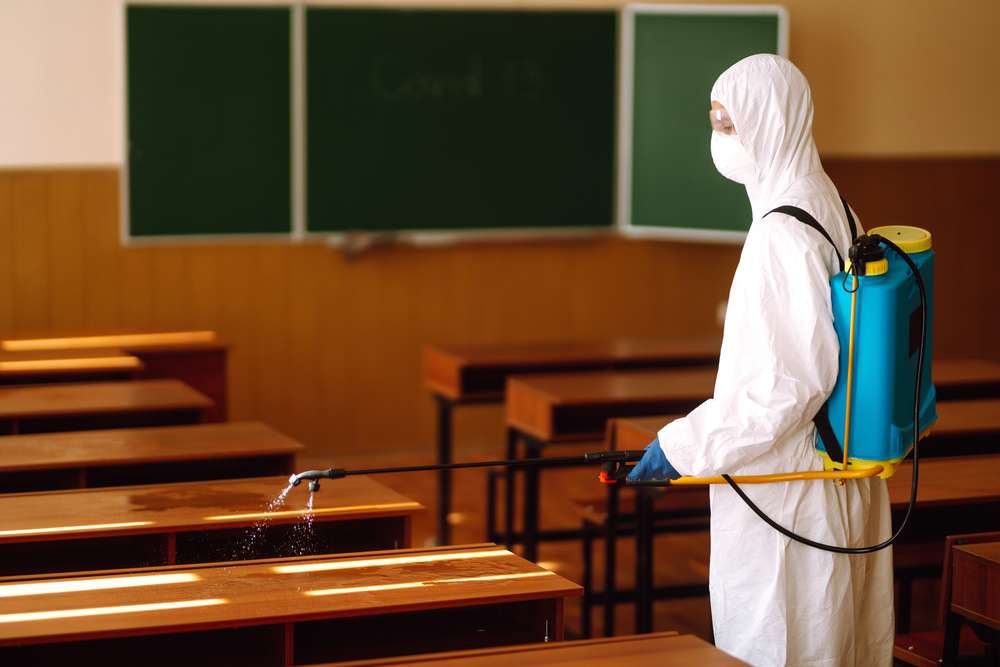
The dirtiest spots in schools are rarely the ones that look messy. They are the high-traffic touchpoints that facilitate the silent spread of illness. By shifting your focus from visual tidiness to hygienic safety, you can create a healthier environment for your entire school community.
Don’t leave your school’s health to chance. If you need a cleaning partner who understands the difference between “clean” and “safe” Sentrex is here to help. We provide bespoke school cleaning solutions that respect your budget and protect your pupils.
Is your cleaning schedule missing these critical hotspots? Contact Us today for a site audit and let us help you build a safer school.


