
A healthy learning environment in the UK is a year-round challenge for educational spaces. With seasonal flus, various respiratory infections, and personal hygiene issues constantly threatening to disrupt the school calendar. The role of school cleaning has moved from a background operational task to a frontline defence for pupil health.
The link between a clean building and reduced absenteeism is established. When germs are allowed to linger on shared surfaces, they create a cycle of infection that impacts both children and staff.
For site managers and headteachers, the goal is to create a strategic hygiene plan that is effective, budget-conscious, and compliant with COSHH guidance. That’s why we at Sentrex are here to present ten prioritised, actionable tips to help your school break the chain of infection and keep illness at bay.
1. Don’t overlook areas with a high-touch frequency
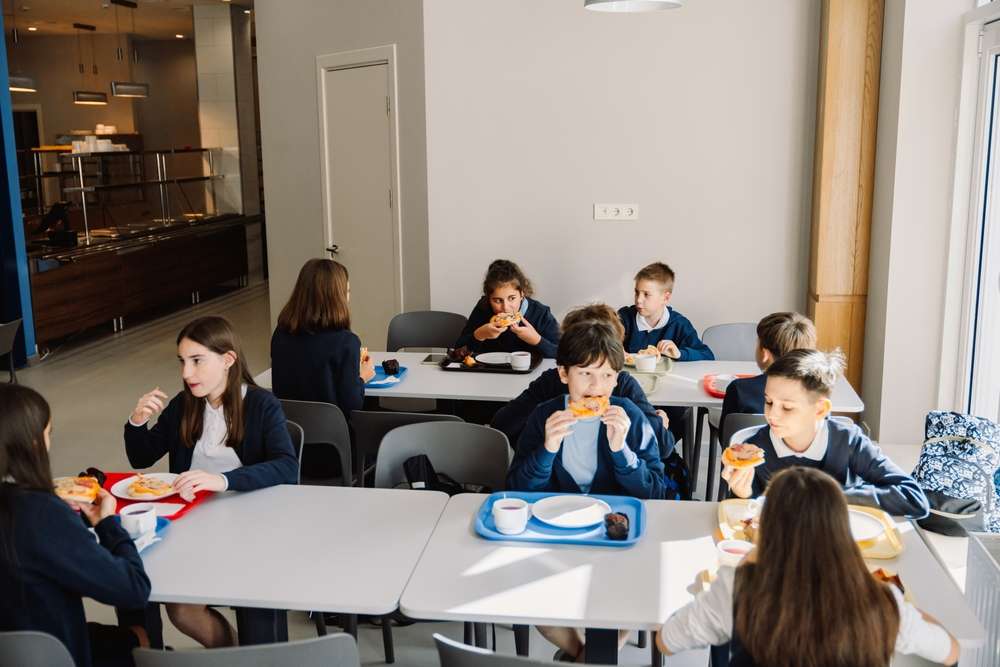
In any school building, certain surfaces are touched hundreds of times every hour. These hotspots are the most notorious transit points for bacteria and viruses. Focusing your resources on touchpoint disinfection is a cost-effective way to reduce illness.
A focused cleaning routine should target areas like:
- Door handles and banisters.
- Light switches and lift buttons.
- Shared IT equipment, including keyboards and tablets.
- Canteen tables and water fountain buttons.
By disinfecting these areas at least twice daily—once during the mid-morning break and once after school—you can significantly lower the environmental microbial load. For a deeper look at these areas, read about the most overlooked germ hotspots in schools and how to fix them.
2. Colour coded cleaning operations
Cross-contamination is a hygiene issue that can potentially be overlooked in educational settings. Without a strict system, a cloth used to clean a bathroom could inadvertently be used on a classroom desk.
A professional commercial cleaning standard relies on a four-colour system:
- Red: Bathrooms, toilets, and floors in high-risk areas.
- Yellow: sinks and other bathroom surfaces.
- Blue: General low-risk areas (classrooms, offices, and corridors).
- Green: Food preparation and catering areas.
Ensure your cleaning staff training includes rigorous adherence to this system to prevent the spread of pathogens across different zones of the school. Storing items relative to where they are required can help to make this process a little more streamlined.
3. Commit to a consistent classroom cleaning schedule
Classrooms are the heart of the school, but are naturally the most difficult to keep sterile. A structured cleaning schedule ensures that no area is neglected. While floors and bins are handled daily, other tasks should be rotated.
An example of a classroom cleaning schedule might include:
- Daily: Bin emptying, floor hoovering/mopping, and desk disinfection.
- Weekly: High-level dusting (windowsills, ledges), window handle cleaning, and radiator wiping.
- Monthly: Deep clean of carpets or hard floor scrubbing.
Consistency is key. You may find it helpful to review 7 germ hotspots in classrooms teachers forget about to ensure your schedule is truly effective.
4. Manage hand hygiene at all times
Cleaning the building is only half the battle; the other half is managing the germs introduced by students, staff and visitors alike. According to UKHSA guidance, effective hand hygiene is the single most important way to stop the spread of infections.
Schools should ensure:
- Soap dispensers are checked and refilled every morning.
- Warm water and functional hand-drying facilities are available.
- Alcohol-based hand sanitiser stations are placed at all building entrances.
- Age-appropriate posters are displayed to remind pupils of the “Catch it, Bin it, Kill it” protocol. In addition to reminders for adults in areas like staffrooms.
5. Don’t settle. Audit and adapt
A generic list of tasks is not really enough for the unique needs of a school. A site-specific cleaning checklist allows site managers to track compliance and ensure quality assurance.
This checklist should be a living, fluid document that accounts for the “hidden” areas. For example, the dirtiest spots in schools that cleaners know about often include the underside of desks or the seals around communal fridge doors. Regularly auditing your team against this list keeps standards high, and helps to find new, overlooked areas.
6. Stick to COSHH Guidance
The health of your cleaning team is as important as the health of your pupils. The COSHH guidance ensures that chemicals are used, stored, and disposed of safely.
Ensure that:
- All cleaning products have a corresponding Safety Data Sheet (SDS).
- Chemicals are stored in a locked cupboard away from pupil access.
- Staff are provided with appropriate PPE (gloves, aprons, and masks).
- Cleaning agents are used at the correct dilution ratios to prevent respiratory irritation, particularly for pupils with asthma.
7. Think of the environment outside the school
Modern schools are increasingly moving towards eco-friendly cleaners. These products are not only better for the environment but are often safer for use around children. Many traditional disinfectants contain harsh VOCs (Volatile Organic Compounds).
Switching to plant-based or probiotic cleaners can maintain a high standard of classroom cleaning while supporting your school’s sustainability goals.
8. Monitor air quality and ventilation
Germs aren’t just on surfaces; some are airborne. Improving ventilation is a vital for infection control. The Department for Education (DfE) recommends the use of CO2 monitors to identify areas of poor airflow.
Simple actions can make a difference:
- Ventilate classrooms by opening windows fully during break times.
- Ensure mechanical ventilation systems are serviced and filters are replaced.
- Keep internal doors open where fire safety regulations allow to improve cross-ventilation.
9. Schedule regular deep cleans
Daily cleaning maintains a baseline, but over time, grime and bacteria build up in areas that are hard to reach. This is why schools need regular deep cleaning, typically during half-term breaks or summer holidays.
A deep clean should involve:
- Steam cleaning carpets to kill deep-seated bacteria and dust mites.
- Machine-scrubbing hard floors.
- Disinfecting all soft furnishings and curtains.
- Cleaning kitchen extraction systems and behind heavy appliances.
10. Invest in professional cleaning staff training
The most expensive equipment in the world is useless if the operator doesn’t know how to use it. Professional cleaning staff training is the foundation of a healthy school. Your team should understand the difference between cleaning (removing dirt) and disinfecting (killing germs).
If your internal team is stretched, it may be worth considering an accredited partner. You can learn more about us and our accreditations to see the standards required for professional educational hygiene.
The true value of cleanliness in schools
When these ten tips are implemented together, they do more than just make the school look tidy. They create an environment where pupils can thrive and staff feel safe. Research into the sector has asked how clean are schools really? and often found that it is the small, consistent habits that yield the biggest results.
Beyond the health benefits, maintaining high standards is a key part of school leadership. Many governors are now asking can school cleanliness improve your Ofsted rating? While not a direct grading category, the physical environment falls under the ‘Personal Development’ and ‘Leadership and Management’ remits, reflecting how well a school is run.
Quick decision checklist for site managers
Area | Frequency | Action |
High-touch points | Twice daily | Disinfect with virucidal spray |
IT suites | Daily | Sanitise mice and keyboards |
Carpets | Termly | Industrial deep extraction |
Bathrooms | Hourly checks | Refill soap/check cleanliness |
Conclusion: How to up your school hygiene quickly

Reducing illness in schools is not about a single “magic bullet” product; it is about a disciplined, evidence-based approach to school cleaning. By targeting touchpoints, enforcing hand hygiene, and training staff effectively, you can keep your school running smoothly and protect your community from the disruption of avoidable outbreaks.
For a comprehensive guide on long-term strategies, read our full article on how to prevent the spread of germs in schools.
Would you like to evaluate and elevate your current hygiene standards? If you are reconsidering your current cleaning provision or need a professional audit of your site, we at Sentrex are here to help. Contact us today for a tailored consultation to see how we can support your school’s health and safety goals.


