
Schools require a higher level of cleanliness considering the influx of people on a daily basis. Although schools are cleaned regularly, there may be some areas that are overlooked that have the potential to be germ hotspots
In this blog, we will discuss the most overlooked germ hotspots in schools and how to fix them.
Why do schools require higher cleaning standards?
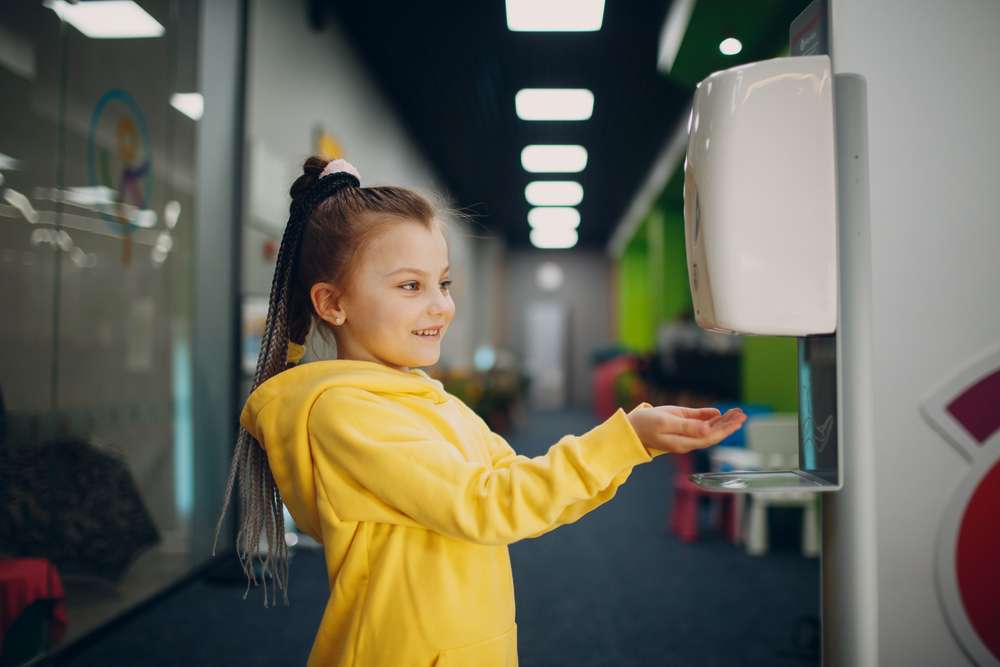
Schools need to be clean for more than one critical reason, and it extends beyond just aesthetics. Cleanliness directly impacts health and safety by significantly reducing the spread of illnesses, improving indoor air quality, and preventing accidents.
Furthermore, a clean environment enhances learning and academic performance by improving concentration, boosting productivity, and leading to better school attendance. It also supports mental and emotional well-being, creating a less stressful and more pleasant atmosphere that fosters pride and motivation. Schools require this environment to learn and thrive academically.
Finally, cleanliness promotes positive habits and behaviour among pupils and protects school facilities and resources, ensuring longevity and easier access to materials. Essentially, a clean school is fundamental to the overall health, safety, and educational success of everyone involved.
Which overlooked spaces in schools are hotspots for germs? And how should they be cleaned?
It may be surprising, but entrances, ventilation systems, and staff rooms are the less obvious spaces that can accumulate germs rather quickly. But why exactly is this? And how can it be addressed? Here is a deeper look:
Entrances into the building:
Main entrance doors and push bars/handles:
These are the first point of contact for everyone entering the school – pupils, staff, parents, and visitors. They are touched countless times throughout the day, often by hands that haven’t been washed since coming from outside. While a daily wipe might occur, thorough disinfection typically isn’t as frequent as needed given the sheer volume of contact.
Entryway floors and mats:
These areas trap dirt, dust, and outdoor contaminants (including bacteria and viruses) tracked in on shoes. While mats are designed to help, they also accumulate these germs and are often only vacuumed, not disinfected, or deep cleaned regularly enough.
Sign-in desks/tablets/pens (for visitors):
Any shared items used for signing in at reception are prime germ transfer points, touched by numerous external individuals throughout the day.
Bell/intercom buttons:
These are touched by every visitor and late pupil, making them significant germ hubs.
Why are entrances overlooked?
Entrances are high-traffic areas, and while visible, the focus is often on welcoming or security, rather than the microscopic life being transferred. The sheer volume of contact makes effective, frequent disinfection challenging. That being said, efforts should be made to regularly disinfect the area during quieter hours.
Ventilation systems:
Air filters and ducts:
Perhaps the most overlooked area in terms of potential germ accumulation, particularly airborne ones. If air filters aren’t changed regularly, they can become clogged with dust, mould spores, bacteria, and viruses, which are then recirculated throughout the school. Ducts themselves can also accumulate dust and mould.
Window latch handles and vents:
While opening windows is good for natural ventilation, the handles and vents themselves can accumulate dust and hand grime, and if not cleaned, can become minor sources of airborne particles.
Lack of proper airflow:
Beyond the physical accumulation of germs within the system, poor ventilation (i.e., insufficient fresh air exchange) allows airborne germs from coughs, sneezes, and talking to linger and accumulate in the classroom air, increasing the risk of transmission. This is often an invisible problem.
Why is ventilation overlooked?
Ventilation systems are usually out of sight, out of mind. Their maintenance is often a facilities issue, not a daily cleaning concern. The concept of airborne germ accumulation is also less tangible than surface germs.
Staff rooms:
Kettles, microwaves, toasters, and fridges (handles/buttons):
These communal kitchen appliances are used by all staff members, often multiple times a day. Handles, buttons, and control panels are prime contact points for a diverse range of hands throughout the day.
Shared workstations (if applicable):
If staff share computers, keyboards, mice, or desks, these become significant germ transfer points, much like in classrooms, but perhaps less frequently cleaned as it’s an ‘adult’ space.
Communal mugs/cutlery/tea towels:
While many staff use their own, shared items or those left unwashed/improperly dried can harbour bacteria. Tea towels, if not changed daily, are notorious for accumulating germs.
Staff room tables and chairs:
Used for breaks, meetings, and marking, these surfaces are frequently touched but may not receive the same rigorous disinfection as pupil desks.
Coffee machines/vending machines (if applicable):
All buttons, levers, and handles on a shared coffee machine are high-touch points.
Why are staff rooms overlooked?
Staff rooms are seen as ‘adult’ spaces, perhaps leading to a perception that staff are more hygienic, or that they are less of a priority for deep cleaning compared to pupil areas. However, staff illness can significantly impact school operations, and these areas can contribute to germ spread among adults.
How should schools deal with cleaning these areas?
Schools should focus on a multi-focused approach to germ control. This includes frequent disinfection of high-touch points at entrances, establishing clear hygiene protocols for staff rooms to keep communal areas clean and consistently promoting excellent hand hygiene across the entire school community.
HVAC systems would require specific maintenance by professionals, whereas cleaning in the aforementioned area can be conducted by superior cleaning services like Sentrex.
The benefits of collaborating with Sentrex to clean your school are:
- Routines based on what works for you. This means our cleaning services aren’ compromising the operating hours in your school, whether it’s exam season or parents evening! We work around you.
- Our equipment, techniques and experienced & trained staff place us in a position to easily address multiple cleaning issues safely, thoroughly, and quickly.
- We regularly audit our own services, this is so we can remain accountable to you and ensure our services are being provided.
Sentrex school cleaning services

Sentrex Services stands as a leading provider of comprehensive cleaning and hygiene solutions, serving a vast region from the Northwest to the Southeast of England. With a dedicated team of over 600 professionals, we deliver bespoke cleaning services tailored to the unique needs of each commercial client.
Protect your staff, warehouse stock, and your reputation. Contact Sentrex for expert warehouse cleaning solutions that meet the highest hygiene standards.
At Sentrex, we prioritise commercial, industrial, and specialist cleaning services. Our services aren’t just a standard once-over, we ensure a comprehensive and individually tailored approach perfect for any site.
In this blog, we’ve hoped to have shown you the most overlooked germ hotspots in schools and how to fix them. Whilst also providing supplementary information about the benefits of our professional services.
Our commitment to fair pricing, environmental sustainability, and personalised service sets us apart. We prioritise quality through rigorous control measures, including monthly audits with advanced software, real-time management via iPads, and an automated time and attendance system.
As members of esteemed trade bodies, we adhere to the highest industry standards. Beyond core cleaning, we offer a full suite of soft and hard FM services, ensuring comprehensive building maintenance. Want to know if our services apply to your business or site? Don’t hesitate to get in touch with us to secure a superior clean.


