
A warehouse is a living organism of movement, weight, and speed. Forklifts navigate narrow aisles, staff manage heavy loads, and inventory shifts in a constant cycle of logistics. While most facilities managers focus on throughput and efficiency, the unseen layer of dust on a high level beam or a slight patch of grease on the floor can become a catalyst for disaster. Maintenance is often viewed as a secondary concern, yet neglecting it creates a chain reaction of safety risks that can lead to injury, litigation, or regulatory intervention.
Cleaning a large industrial space is not merely about aesthetics. It is a fundamental component of risk management. When cleaning is treated as an afterthought or handled by untrained staff, the errors made can be more dangerous than doing nothing at all. Identifying common pitfalls allows operations directors to move from a reactive stance to a proactive one, ensuring the facility remains a safe environment for every person on the clock. By partnering with a professional service provider, businesses can ensure their logistics spaces remain compliant and efficient.
Treating Industrial Floors Like Domestic Surfaces
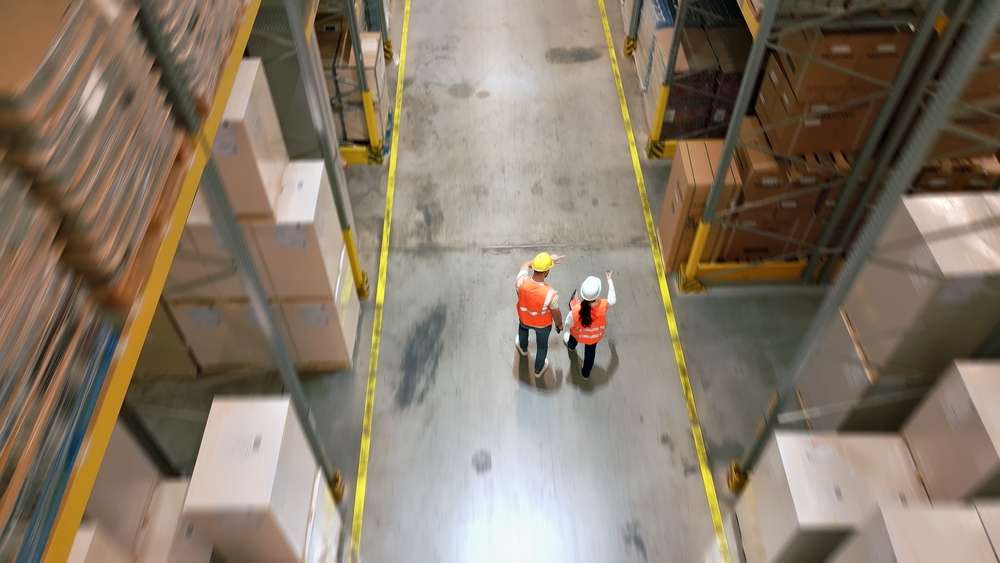
One of the most frequent industrial cleaning errors is failing to account for the specific chemistry of warehouse flooring. Power floated concrete or epoxy coatings require precise care. Using the wrong detergent can strip away slip resistant finishes or leave a thin, waxy residue that turns a busy thoroughfare into a skating rink. When oils and spills are not neutralised with the correct industrial grade degreasers, they become invisible hazards that contribute to the thousands of slips and trips reported to the HSE annually.
Proper floor maintenance requires a deep understanding of the hidden hazards lurking on warehouse floors, which often include more than just visible spills. Fine dust, moisture from tyres, and even the wrong cleaning pad on a scrubber dryer can degrade a surface over time. If the cleaning regime does not match the floor type, the risk of a forklift skidding or a pedestrian falling increases. Working with specialists who understand surface friction and chemical compatibility ensures that the floor remains an asset rather than a liability.
Ignoring High Level Dust Accumulation
It is easy to focus on what is at eye level, but the rafters, ducting, and tops of racking are often where the greatest dangers hide. High level dust build up is a significant fire risk. In a warehouse environment, fine particles can act as an accelerant, allowing fire to travel across the top of a building far faster than it would at ground level. Furthermore, vibrations from overhead cranes or HVAC systems can dislodge these clumps of dust, contaminating products or causing respiratory issues for staff working below.
Many businesses underestimate the shocking impact of dust build up in warehouses, particularly regarding fire safety and electrical equipment. When motors or light fittings are coated in thick layers of grime, they overheat, creating an ignition source in a space often filled with combustible packaging. A professional warehouse cleaning schedule must include high level access, utilising specialised vacuum systems and platforms to clear these hard to reach areas without scattering particles further into the atmosphere.
Fragmented Schedules and Lack of Process
Consistency is the bedrock of safety. A common error is reactive cleaning, where a team only addresses areas that look visibly dirty or await an inspection to deep clean the facility. This approach leaves windows of time where hazards can accumulate unnoticed. Without an organised, documented process, it is impossible to track whether critical tasks have been completed or if certain corners are being cut to save time.
Safety leads must ask themselves exactly is your facility up to standard in terms of warehouse sanitation and hygiene. A robust programme involves daily, weekly, and periodic deep cleans that are mapped out in a master schedule. This level of organisation is a core part of understanding warehouse cleaning regulations in the UK. When an incident occurs, the first thing an inspector will ask for is the maintenance log. If the records are patchy, the business is left vulnerable to significant compliance issues and potential fines.
Using Untrained Labour for Complex Tasks
Asking general warehouse staff to perform deep cleaning tasks during downtime is a frequent mistake that compromises safety. Professional cleaning requires specific knowledge of COSHH (Control of Substances Hazardous to Health), the correct use of heavy machinery, and working at height protocols. When a member of staff picks up a chemical they are not familiar with, or attempts to reach a high shelf without the correct training, the likelihood of an accident spikes.
The difference between a safe clean and a hazardous one often comes down to specialist staff training and the use of appropriate techniques. Professional cleaners are coached in the mechanics of the equipment they use and the risks associated with the warehouse environment. This expertise ensures they can work around active operations without becoming a hazard themselves. Relying on experts who hold the correct safety and industry accreditations gives management peace of mind that the job is being done to a standard that exceeds basic internal capabilities.
Overlooking the Impact of Airborne Dust
Dust is often viewed as a nuisance, but in a warehouse setting, it is a persistent health hazard. Fine particulates from wooden pallets, cardboard, and vehicle emissions can linger in the air long after the source has moved. Failing to address the root cause of these particles leads to poor air quality, which can cause long term health issues for employees and lead to increased sick leave.
Understanding the hidden risks of a dusty warehouse is the first step toward fixing them. It isn’t just about sweeping the floor; it is about managing the air and the surfaces that the air touches. When businesses ignore the density of these particles, they risk breaching HSE guidelines regarding air quality and employee welfare. A comprehensive strategy addresses the source of the dust and uses HEPA filtration vacuums to ensure that particles are removed from the building rather than simply moved around.
Are Your Emergency Routes Truly Clear?
It is arguably one of the most basic rules of warehouse management, yet it is broken constantly. Inadequate rubbish removal often leads to pallets or packaging being temporarily stored in front of fire exits, creating a fatal bottleneck during an evacuation. This usually happens when cleaning isn’t integrated into the workflow, leading to a build up of waste in high traffic areas.
- Degraded Safety Markings: Dust and grime can obscure floor markings that designate pedestrian walkways and forklift zones, leading to collisions.
- Infestations and Hygiene Breaches: Food grade warehouses are at high risk of pests if spills are not handled immediately, leading to total shutdown.
- Electrical Interference: Conductive dust settling on circuit boards or inside charging stations is a common cause of short circuits.
Neglecting the Cost of Invisible Errors
Many decision makers treat cleaning as a line item to be reduced, but the financial fallout of a safety breach far outweighs the cost of a professional service. There are many costly warehouse cleaning mistakes that go beyond the obvious. For example, failing to clear grease around charging stations can lead to electrical fires, while allowing grit to build up in the wheels of automated picking systems can lead to mechanical failure and lost productivity.
A clean warehouse is a more profitable warehouse. When the environment is orderly, staff are more productive, morale is higher, and machinery lasts longer. By investing in professional warehouse cleaning, you are essentially buying insurance for your operational continuity. It is about protecting the investment made in infrastructure, stock, and people.
Failing to Audit Performance and Compliance
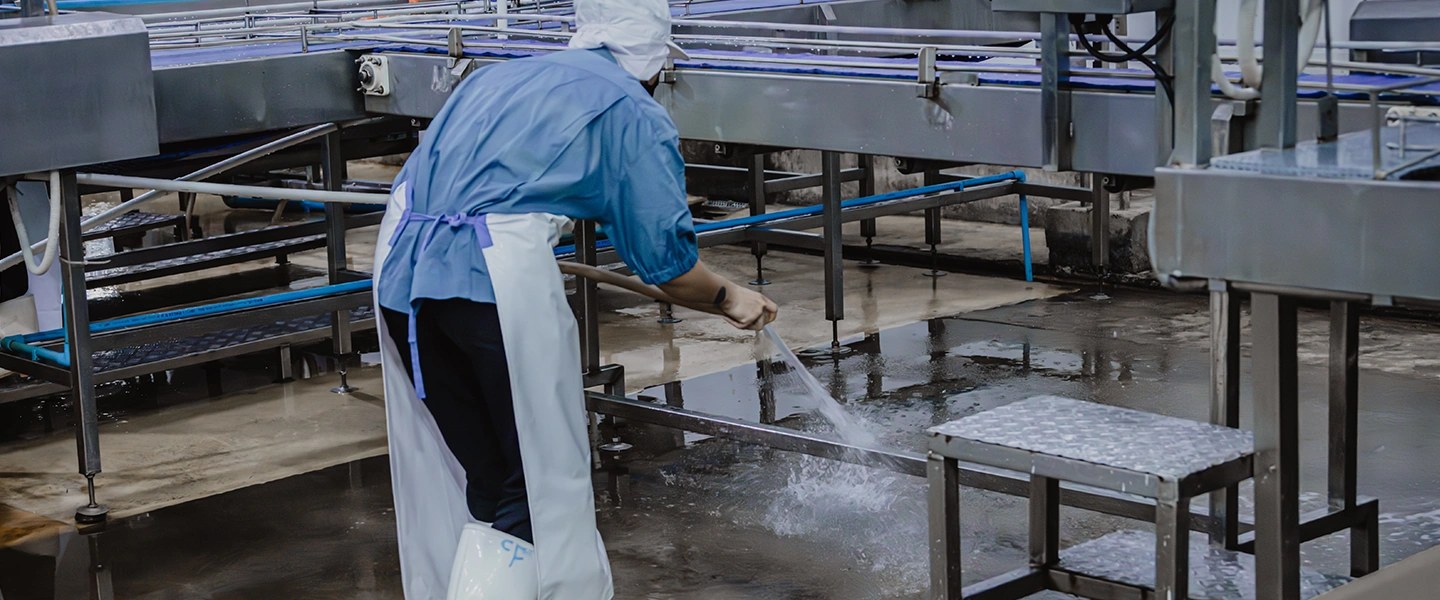
The final mistake is assuming that because a floor looks shiny, it is actually clean and safe. Without regular audits, standards inevitably slip. Many facilities managers lack the time or tools to verify that a clean was performed to the necessary level of compliance. This is where a partnership with a dedicated cleaning company becomes invaluable.
When you learn more about the Sentrex approach, you see how we integrate auditing and transparency into the process. We provide the documentation and the expertise required to ensure your facility meets both internal standards and external regulatory requirements. This level of detail is necessary for high stakes environments, such as those within the commercial property and logistics sectors, where any lapse in safety can have widespread repercussions.
Ensuring your warehouse is safe requires more than just a mop and a bucket. It requires a strategic approach to risk reduction through precise, professional maintenance. If you are concerned that your current cleaning regime is leaving your staff or your business exposed, it is time to reassess your requirements. You can contact our team today to discuss an audit of your facility and find out how we can help you eliminate these safety risks for good.


