
Most people will never need to think about trauma cleaning until the moment they do. When that moment arrives, it often comes alongside grief, shock, or the pressure of managing a property in the aftermath of something serious. Understanding what the process actually involves can make it easier to know what to expect and why professional intervention is not just advisable but essential.
This article takes an honest look at what happens from the first call to the completion of work, and why each stage of the process matters.
The First Call and What Follows
The process begins before any operative sets foot on site. When someone contacts a professional trauma cleaning service, the first priority is understanding the situation clearly and without unnecessary detail being required from the caller. Many people reaching out are doing so in difficult circumstances, and the initial conversation should feel supportive rather than procedural.
From that first contact, a qualified team will establish the nature of the incident, the type of property involved, and any access or timing considerations. This information shapes everything that follows, from the size of the team required to the equipment and disposal arrangements that will need to be in place.
Our trauma cleaning service is built around this principle from the outset. The process starts with listening.
Risk Assessment Before Any Work Begins
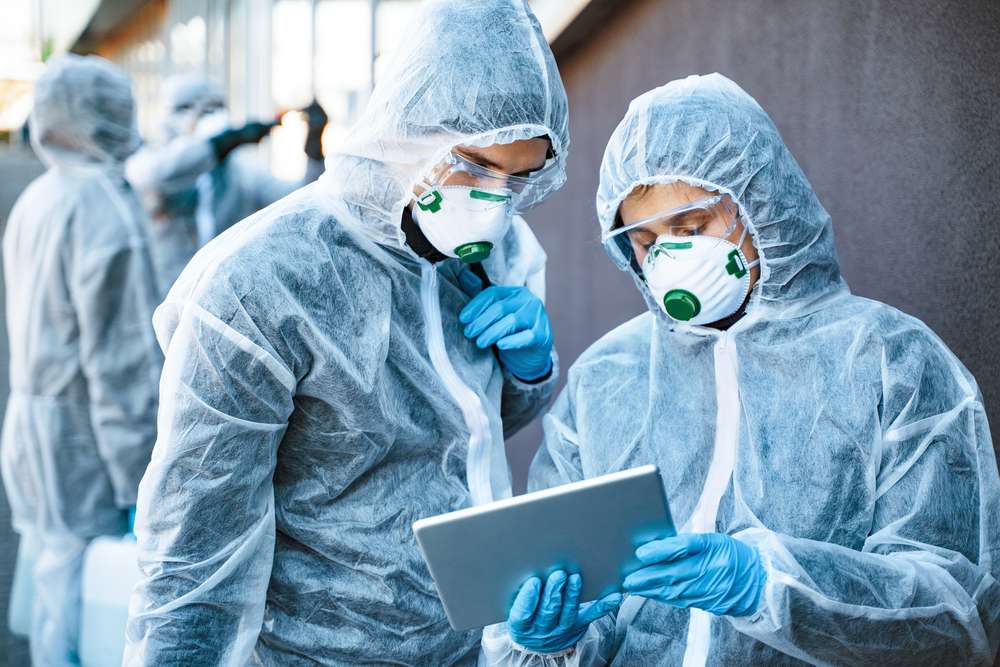
No reputable trauma cleaning team will begin work without first carrying out a thorough risk assessment. This is not a formality. It is a legal requirement under the Control of Substances Hazardous to Health regulations, and it shapes every decision made on site.
The risk assessment will identify:
- The type and extent of biological contamination present
- Whether any sharps, needles, or other hazardous materials need to be managed
- The condition of surfaces and whether contamination has penetrated beneath them
- Any structural considerations, such as flooring or wall cavities that may require specialist attention
- Ventilation requirements and the appropriate level of personal protective equipment for the team
This stage is invisible to most people outside the industry, but it is where a professional service earns its value. A thorough risk assessment means the work that follows is targeted, safe, and compliant.
Why This Stage Cannot Be Skipped
Biological contamination is not always visible. Blood, bodily fluids, and decomposed material can penetrate porous surfaces and remain hazardous long after a scene appears clean to the eye. The HSE’s guidance on biological agents and bloodborne viruses sets out clearly why exposure to these materials without appropriate precautions carries serious health risk. A proper risk assessment ensures that nothing is missed and that the team working on site is protected throughout.
The Remediation Process Itself
Once the risk assessment is complete and the appropriate protocols are in place, remediation begins. This is the stage most people associate with trauma cleaning, though it is only one part of a structured process.
Operatives work methodically, treating the affected area in full rather than addressing only what is immediately visible. Contaminated material is removed, surfaces are treated with specialist biocidal cleaning agents, and any items that cannot be safely decontaminated are disposed of through a licensed waste contractor in line with hazardous waste regulations.
Where contamination has reached beneath floor coverings, behind skirting boards, or into wall cavities, those areas are addressed as part of the same process. Leaving secondary contamination in place would render the surface-level work incomplete, regardless of how thorough it appeared.
Throughout this stage, the team works discreetly. Unmarked vehicles, plain-clothed operatives where appropriate, and careful management of access all form part of how a professional service protects the dignity of the situation and the privacy of those involved.
Decontamination and Verification
Remediation does not end when the visible work is done. Decontamination verification confirms that the treated area meets the required standard before the team leaves site. This may involve ATP testing or other surface verification methods, depending on the nature of the incident and the type of property.
This step is what separates professional trauma remediation from general cleaning. It provides the evidence that the work has been completed correctly, which matters both for the immediate occupants and for any insurance or legal documentation that may follow.
Waste Disposal and Documentation
Every item removed from a trauma scene that constitutes biological or hazardous waste must be handled, transported, and disposed of through a licensed route. This is a legal obligation, not a matter of preference. Waste transfer documentation must accompany hazardous material throughout the disposal chain, and the client should receive copies on completion.
This is one of the areas where unlicensed or underqualified operators most frequently fall short, and where the consequences for a property owner can be significant. Our article on the cost of cutting corners in trauma cleaning covers those consequences in detail.
Sentrex manages this process in full, including documentation, so that clients have a complete audit trail without needing to navigate it themselves.
The Human Side of the Work
Technical competence is a baseline requirement. What distinguishes genuinely professional trauma cleaning is the understanding that the people involved are rarely in a neutral state. They may have lost someone. They may be managing a property on behalf of a family who cannot face being there. They may be dealing with a situation they had no preparation for.
The operatives who carry out this work are trained not just in biological hazard management but in how to conduct themselves in sensitive environments. That means communicating clearly, working without unnecessary intrusion, and treating every scene with the respect it deserves regardless of the circumstances.
This is reflected in how we approach every job at Sentrex. You can read more about our values and the way we work on our about us page.
Accreditation and Compliance
The standards a trauma cleaning company operates to are not always easy to assess from the outside. Accreditations provide a transparent indicator of whether a provider has the processes, training, and governance in place to carry out this work responsibly.
Sentrex holds accreditations that reflect our commitment to quality, safety, and continuous improvement. These are not decorative. They represent the frameworks our teams work within on every job, and they give clients confidence that the work they commission meets a recognised standard. Our accreditations page sets out what we hold and what each one means in practice.
Our wider specialist cleaning services are built on the same compliance framework, ensuring consistency across every discipline we cover.
Staying Inspection Ready
Professional trauma cleaning services should be able to demonstrate their compliance at any point, not just when it is requested. Our approach to meeting industry cleaning regulations reflects the same standards we apply internally. Clients who commission our services are not taking a compliance risk. They are removing one.
What Happens After the Work Is Complete
When the remediation is finished and verified, the property is returned to a safe and usable condition. The team provides the client with confirmation of completion and all relevant waste documentation. Where required, a detailed report of the work carried out can be provided for insurance or legal purposes.
For many clients, this moment carries significant emotional weight. The ability to move forward, whether that means re-entering a family home, reletting a property, or simply closing a difficult chapter, depends on knowing the work has been done properly.
Our article on how trauma cleaning protects both people and property explores that longer-term dimension, and 10 places trauma cleaning is needed that you might never expect offers broader context on the range of environments this work covers.
If you are managing a situation that requires professional trauma cleaning, our team is available to talk through your circumstances in confidence. Contact us and we will take it from there.


