
In the UK, the service of trauma cleaning is governed by strict health and safety protocols, but the true value of the work lies in its dual purpose. It is a technical discipline designed to neutralise biological threats, but it is also a human service designed to facilitate healing.
By understanding the ways in which specialist remediation protects both the people involved and the bricks and mortar they inhabit, we can better appreciate why professional intervention is the only safe path forward. We at Sentrex will share how trauma cleaning protects both people and property.
Protection of people: Eradicating hidden biological threats
The immediate priority in any biohazard clean-up is the protection of human health. Many people underestimate the resilience of pathogens found at a trauma scene. Whether the incident involves a workplace injury or an unattended death clean-up, the biological risks are significant and often invisible.
Neutralising blood-borne pathogens
Blood and bodily fluids can carry a host of infectious diseases, including Hepatitis B, Hepatitis C, and HIV. Unlike common household bacteria, these viruses can survive on surfaces for days or even weeks if not treated with hospital-grade biocides.
Professional technicians are trained to treat the area as a high-risk zone, using Personal Protective Equipment (PPE) that prevents any direct contact or inhalation of aerosolised particles.
The danger of improper cleaning
Standard bleach might change the colour of a stain, but it often fails to reach the base of a carpet or the pores of a wooden floor. Incomplete cleaning leaves behind microscopic biological matter that can pose a health risk long after the room appears clean.
Professional disinfecting services use ATP (Adenosine Triphosphate) testing to provide scientific proof that a surface is biologically sterile, ensuring total safety for future occupants.
Safeguarding the structure: Preventing long-term property damage
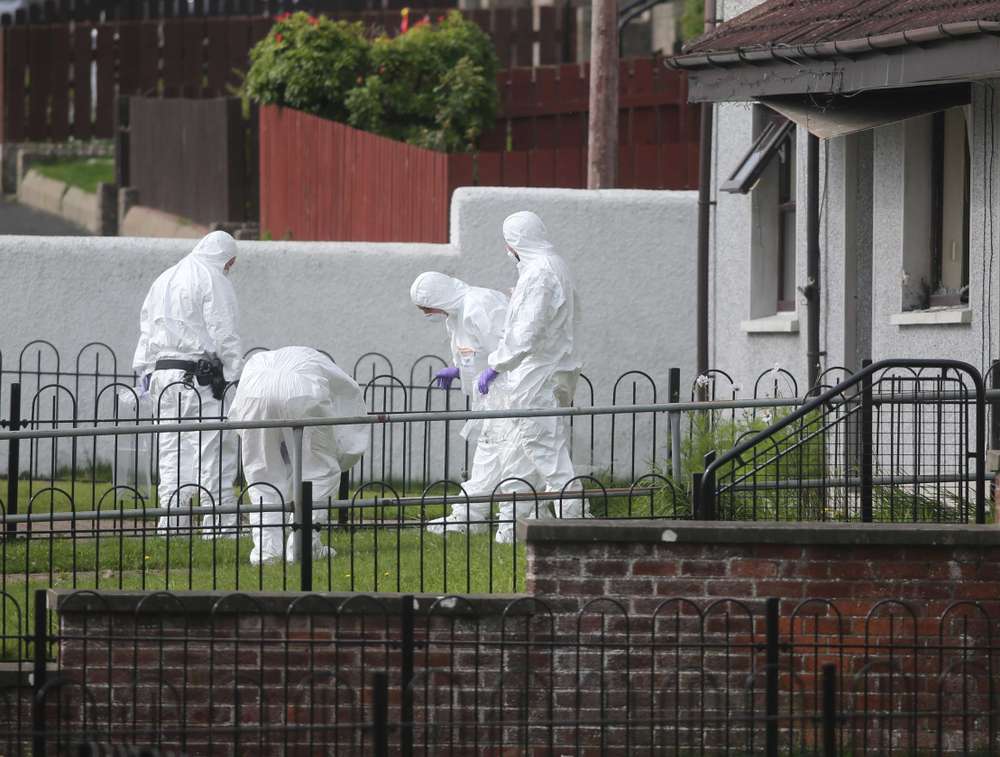
Beyond the immediate health risks, a traumatic event can cause profound damage to the fabric of a building. If biological materials are left to sit, they don’t just stay on the surface; they interact with the environment in ways that can compromise the property’s value and integrity.
Managing fluid migration
Liquids follow the path of least resistance. In a domestic or commercial setting, this means that fluids can seep through floorboards, travel along joists, and settle in sub-flooring or wall cavities.
Professional trauma cleaning involves a forensic attention to detail, often requiring the removal of skirting boards or the lifting of floorboards to ensure that no pockets of contamination remain.
Odour neutralisation and structural preservation
In cases of decomposition, the gases released are highly invasive and can permeate porous materials like drywall and insulation. If these are not neutralised using advanced technology like ozone or hydroxyl generators, the ‘scent’ of the trauma can become a permanent fixture of the property.
By acting quickly and thoroughly, specialists prevent the need for expensive structural renovations later on. You can learn more about us and who Sentrex are to see our commitment to thorough structural restoration.
The psychological benefit of compassionate cleaning
While the technical side of the work is focused on biology and chemistry, the compassionate cleaning aspect is focused on the human mind. The physical traces of a trauma act as a persistent trigger for those affected, making it impossible to begin the grieving or recovery process.
Removing the visual reminders of tragedy
A professional team works to erase any trace the incident. By the time the technicians leave, there should be no visual or other reminder of what occurred. This allows a family to return to their home or a business to reopen without the constant, distressing memory of the event being reinforced by the environment. This psychological reset is perhaps the most valuable part of the service.
Reducing the burden of responsibility
For a family member or an employee, being tasked with cleaning a trauma scene is a form of secondary traumatisation. It is an experience that can stay with an individual for a lifetime.
Outsourcing this task to a professional team is an act of self-care and responsible management. It allows those affected to focus on their emotional well-being while experts handle the physical burden. Our specialist cleaning services are designed to absorb this stress on behalf of our clients.
Professionalism in commercial spaces: Reputation and liability
Any business facing a trauma scene must adhere to strict regulations, including COSHH (Control of Substances Hazardous to Health). Asking an untrained employee to clean up a biohazard is a direct breach of these laws and can lead to severe penalties or lawsuits.
Professional firms ensure that the clean-up is fully documented, providing a “Certificate of Decontamination” that proves the business took the necessary steps to protect its staff and the public.
Discretion and brand protection
News of a traumatic event can spread quickly, especially in the age of social media. Specialist firms operate with the utmost discretion, often using unmarked vehicles and plain-clothed entry to avoid drawing unnecessary attention.
This protects the reputation of a hotel, retail store, or office building, ensuring that the incident does not become the defining characteristic of the brand. We hold our accreditations in high regard to ensure every commercial client receives a compliant and discreet service.
The complexities of hoarding clean-up services
While not always born from a single event, extreme hoarding situations represent a slow-motion trauma for both the resident and the property. Hoarding clean-up services are a specialised subset of the industry that requires a unique blend of technical skill and extreme empathy.
- Health hazards: Deep-seated filth can lead to mould, pest infestations, and respiratory issues for the resident.
- Fire risks: Accumulated materials are often highly flammable and can block exits, creating a death trap.
- Restoration goal: The aim is not just to clear junk but to uncover the underlying property and restore it to a habitable, safe standard.
Handling these cases requires a trauma-informed approach that respects the resident’s dignity while firmly addressing the biohazards hidden within the clutter.
Restoration services: A step-by-step approach to recovery
A professional trauma cleaning project is a systematic process. It is not about a quick scrub, but a multi-stage remediation plan designed for total safety.
- Risk assessment: Evaluating the site to identify all biological, chemical, and structural risks.
- Hazard containment: Sealing off the affected area to prevent cross-contamination to other parts of the building.
- Removal and remediation: The physical removal of biohazard materials and the treatment of all surfaces with industrial biocides.
- Verification: Using scientific testing to ensure the area is safe for human re-habitation.
- Documentation: Providing the property owner with the necessary paperwork for insurance and legal compliance.
If you are in need of urgent assistance or advice on how to handle a sensitive scene, please contact us for a confidential and compassionate discussion.
Why doing it yourself is never an option
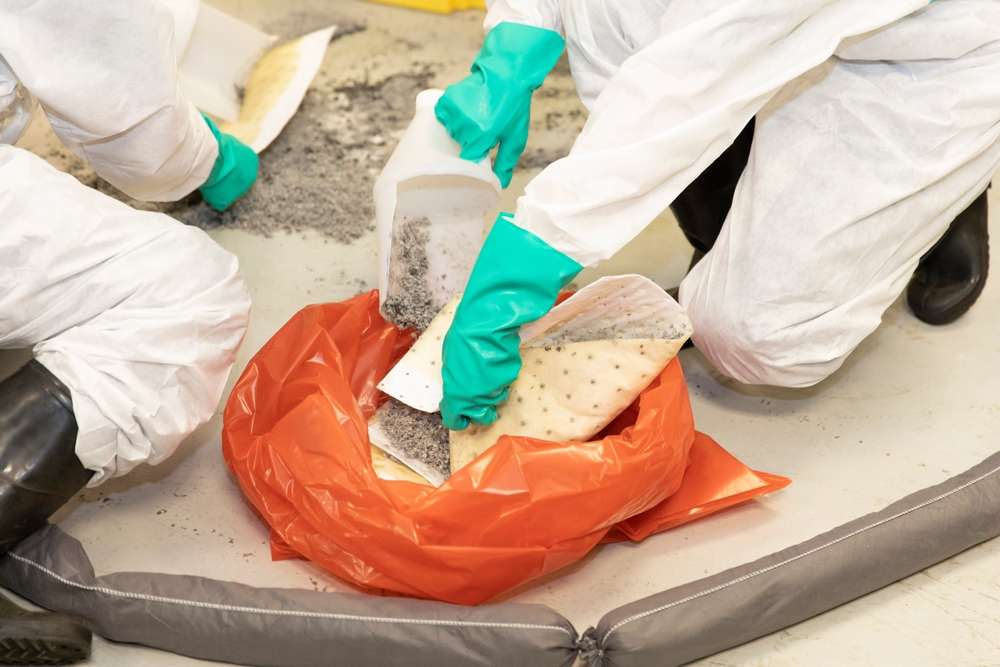
The urge to handle a clean-up personally, perhaps out of a desire for privacy or a wish to save money, is understandable but dangerous.
| Risk Category | DIY Attempt | Professional Remediation |
| Health | High risk of infection and long-term illness | Total protection through PPE and biocides |
| Property | Risk of permanent odour and structural rot | Deep-level decontamination and preservation |
| Legal | Risk of fines for improper waste disposal | Full compliance with UK environmental laws |
| Psychological | High risk of secondary trauma and PTSD | Professional buffer that aids emotional recovery |
Protecting future occupants
Whether you are a landlord preparing a property for a new tenant or a homeowner planning to stay, the peace of mind that comes from a professional clean is irreplaceable. It ensures that the home is a place of safety, not a source of hidden sickness or lingering distress.
Conclusion: A Commitment to Thoroughness and Empathy
Professional trauma cleaning is more than a utility service; it is a critical component of public health and disaster recovery. By protecting the physical health of people, the structural integrity of property, and the psychological well-being of the bereaved, these services provide a path forward in the wake of the unthinkable.
At Sentrex, we believe that every job is an opportunity to help someone reclaim their space and their peace of mind. We combine technical excellence with a deeply human approach, ensuring that every scene we attend is handled with the professionalism, discretion, and empathy it deserves.


