
For many facilities managers across the UK, the sight of pigeons or gulls congregating on a commercial roof is a familiar annoyance, yet the true cost of their presence is often hidden in the monthly energy bill. While a few stray marks might seem like a minor cosmetic issue, the accumulation of bird fouling on photovoltaic arrays represents a significant operational risk. In the British climate, where light levels are already variable, even a thin layer of biological waste can cause a disproportionate drop in electricity generation, turning a high performance asset into a liability.
How Bird Droppings Create Hotspots and Shading
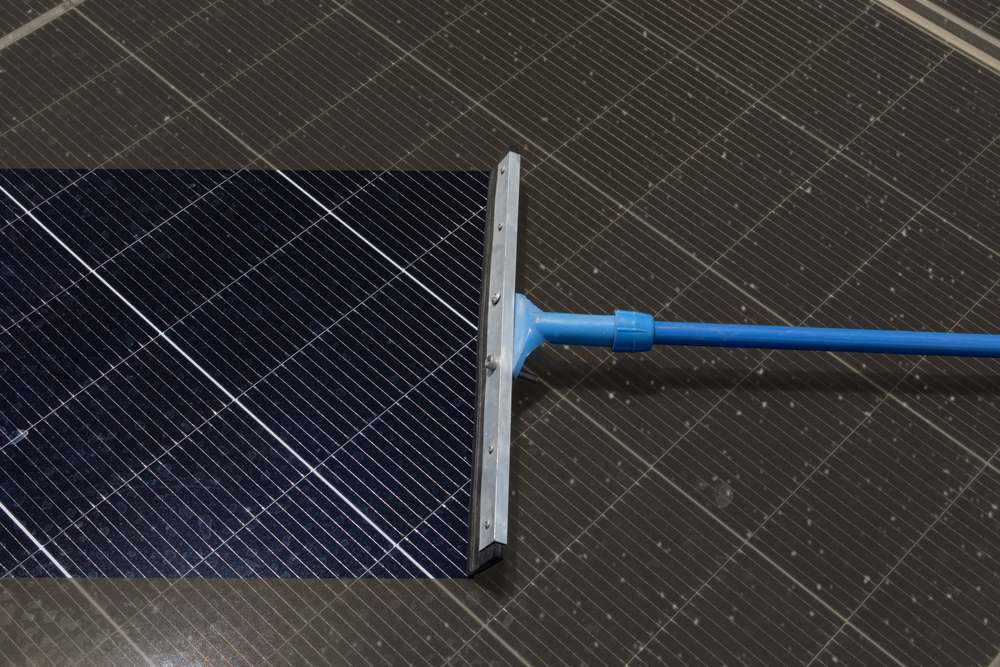
Unlike a light dusting of UK road grime or pollen, bird droppings are opaque and concentrated. When they land on a solar cell, they create what is known as hard shading. This does not just block the light from that specific spot; it forces the entire string of cells to adjust to the lowest performing point. Because solar panels are typically wired in series, a single well placed deposit can throttle the output of an entire section, significantly reducing the solar panel efficiency that UK businesses rely on for their carbon reduction targets.
Beyond the immediate loss of light, there is a more destructive process at play. The shaded cells can begin to act as resistors, consuming energy rather than producing it. This leads to localised overheating, or hotspots, which can permanently damage the internal structure of the panel. Over time, this thermal stress leads to micro cracks and potential delamination, which are among the most common solar panel performance issues reported in industrial settings. Investing in solar panel cleaning is therefore not just about aesthetics; it is a critical measure for asset protection.
The Chemical Threat to Photovoltaic Glass
Bird fouling is highly acidic. In the UK, where rainfall is frequent but often light, these droppings can be partially rehydrated, allowing the uric acid to eat away at the anti reflective coatings found on modern solar modules. Once this coating is compromised, the glass becomes more porous and reflective, meaning less light reaches the silicon wafers below, even after the mess has been washed away.
This chemical etching is a primary reason why 7 reasons your solar panels need cleaning more often usually include the prevention of long term surface degradation. For companies managing large scale arrays, bird fouling on photovoltaic panels is a maintenance priority that directly influences the return on investment of the installation. Allowing acidic waste to sit on the panels during the warmer months can bake the material onto the surface, making it significantly harder and more expensive to remove later.
Operational Risks for UK Commercial Properties
For an operations director, the impact of bird droppings on solar output goes beyond simple kilowatt hours. A poorly maintained solar array can lead to a widening gap between predicted and actual energy yields, complicating financial forecasting and ESG reporting. Maintaining a clean system ensures that the impact of bird fouling on solar assets is minimised, keeping the site compliant with internal sustainability benchmarks.
Furthermore, large accumulations of bird waste on a roof can lead to broader facilities management challenges. Nests and droppings can block gutters and drainage systems, leading to water ingress or structural damp. Integrating solar maintenance into a wider grounds maintenance or external cleaning schedule ensures that these secondary risks are managed before they require emergency intervention. Often, these tasks are part of a broader industrial cleaning strategy to maintain the integrity of the building envelope.
Why Professional Cleaning Is Essential for Compliance
Many businesses mistakenly believe that British rain will naturally clean solar panels that birds have targeted. In reality, rain often fails to remove the sticky, nitrogenous waste, instead spreading the residue and creating a thin, cloudy film across the panel. Professional cleaning involves deionised water and specialist equipment that removes the fouling without scratching the glass or leaving behind mineral deposits.
For firms in sensitive sectors, such as those requiring medical cleaning or food grade hygiene standards, the presence of birds and their waste is also a significant health and safety concern. Using specialist cleaning services ensures that the removal process is handled safely, with all waste managed according to UK environmental regulations. This level of care is often a requirement for maintaining high scores in sustainability audits, as explored in the guide on how regular solar cleaning improves commercial ESG compliance across the corporate sector.
Accountability Through Accredited Maintenance
When procurement teams evaluate the cost of solar panel cleaning in the UK, they must weigh the price against the risk of hiring unaccredited contractors. Solar panels are delicate electrical components, and improper cleaning techniques, such as using pressure washers or abrasive chemicals, can void manufacturer warranties. Working with a partner who holds the relevant accreditations provides the necessary assurance that the work will be performed to a high standard without endangering the equipment or the personnel on site.
A structured commercial cleaning programme allows for documented evidence of maintenance, which is vital for insurance purposes and asset valuation. By proactively managing the UK solar panel maintenance cycle, businesses can reduce solar panel shading and ensure their energy infrastructure operates at peak capacity throughout the year. For more information on the specific hazards of neglect, readers can review the 12 costly problems caused by dirty solar panels to understand the full scope of potential losses.
Restoring Energy Yield With Specialist Care
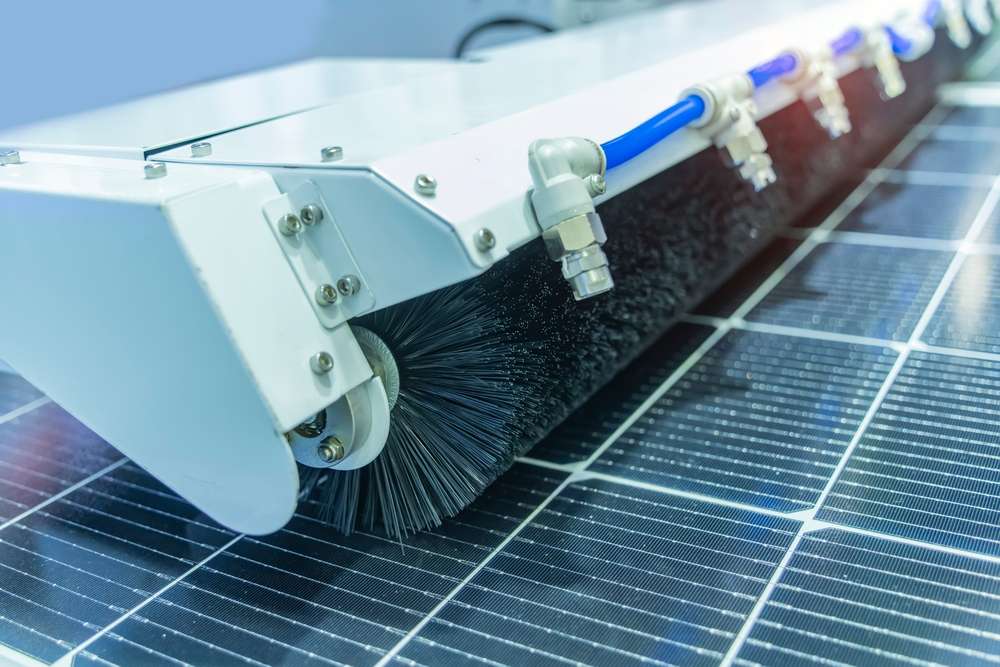
Regularly scheduling professional cleaning services is the most effective way to protect a solar investment from the local bird population. A clean panel can produce up to 30 percent more energy than one obscured by fouling, which often pays for the cost of the cleaning service in energy savings alone. For industrial sites, this is particularly relevant where high level access is required for commercial solar cleaning projects, much like the precision required for high reach window cleaning on large office blocks.
Whether you are managing a single warehouse or a multi site portfolio, understanding the physical and chemical impact of bird waste is the first step toward better energy security. If you have noticed a dip in your system’s performance or visible accumulation on your roof, finding solar panel cleaning services near you can help restore your array to its original specifications. The Sentrex team is ready to provide a tailored assessment of your facility. To learn more about the company’s history and approach to complex site maintenance, visit the About Us page, or Contact Us today to discuss a bespoke cleaning schedule for your commercial property.


