
When something traumatic happens on a property, the pressure to act quickly is understandable. For many people, the instinct is to resolve the situation as fast and cheaply as possible. But when it comes to trauma cleaning, cutting corners does not save money. It creates risk, and in many cases, it makes an already difficult situation considerably worse.
This article explains what is genuinely at stake when trauma cleaning is approached without the right expertise, equipment, and compliance framework — and why the cost of getting it wrong far outweighs any short-term saving.
What Trauma Cleaning Actually Involves
Trauma cleaning covers the remediation of scenes involving unattended deaths, serious accidents, violent incidents, hoarding situations, and other events where biological material may be present. It is not routine cleaning. It is a specialist discipline that requires trained operatives, appropriate personal protective equipment, and strict adherence to UK health and safety legislation.
The risks involved are not theoretical. Blood, bodily fluids, and decomposed material can carry serious pathogens including bloodborne viruses. Without the correct protocols, those risks do not stay contained to the scene. They transfer to surfaces, clothing, and anyone who comes into contact with the area.
To understand the full breadth of environments where this work is required, 10 places trauma cleaning is needed that you might never expect illustrates how widely this service applies.
The Health Risks of Improper Cleanup
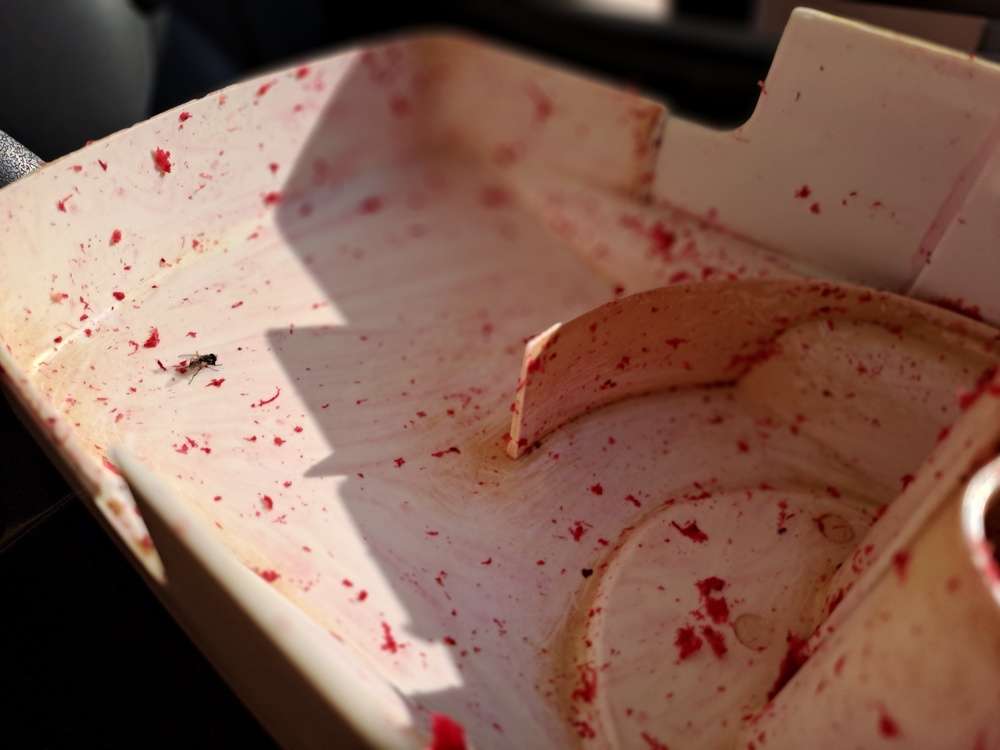
One of the most significant consequences of inadequate trauma cleaning is the health risk it leaves behind. Biological contamination is not always visible to the naked eye. A surface that appears clean may still harbour pathogens capable of causing serious illness.
DIY crime scene cleanup or the use of unlicensed cleaners introduces several layers of risk:
- Cross-contamination through incorrect handling or bagging of biohazardous waste
- Residual contamination left in porous materials such as flooring, soft furnishings, and wall cavities
- Exposure to airborne particles during cleaning if the correct respiratory protection is not used
- Improper disposal of sharps or biological waste, which creates ongoing hazard for others
The Health and Safety Executive’s COSHH guidance sets out the legal framework for managing substances hazardous to health, and biological agents fall firmly within its scope. Any person carrying out trauma remediation work is legally required to comply with these regulations. The assumption that general cleaning products and good intentions are sufficient is not just incorrect — it can be dangerous.
Why DIY Is Not a Safe Option
It is not uncommon for a family member or property manager to attempt initial clean-up before professional help arrives, often out of a desire to take control of a distressing situation. This is a natural response, but it can result in incomplete decontamination and personal health exposure. The HSE’s guidance on biological agents and bloodborne viruses makes clear the level of precaution required when working with potentially infected material.
Proper biohazard disposal is not something that can be improvised. Clinical and biological waste must be segregated, packaged, and disposed of through a licensed waste contractor. This is not optional.
The Legal Implications of Getting It Wrong
Beyond the immediate health risks, there are serious legal implications for anyone responsible for a property where trauma cleaning has been handled improperly.
Under the Environmental Protection Act 1990 and the Hazardous Waste Regulations 2005, the duty of care for waste disposal sits with the person who produces or holds that waste. Biological material from a trauma scene is classified as hazardous waste. Disposing of it through standard refuse collection or without proper documentation is a criminal offence.
For landlords, facilities managers, and business owners, the position is particularly clear. Failing to arrange appropriate remediation not only exposes occupants and future visitors to risk, it creates a documented liability. If a claim arises from inadequate decontamination, the fact that a cheaper or unlicensed service was used will not provide a defence.
Our industry cleaning regulations page covers the broader compliance landscape for those who want to understand their obligations in more detail.
What Unlicensed Cleaners Cannot Provide
Unlicensed operators typically cannot provide:
- A documented risk assessment specific to the scene
- Evidence of training in biological hazard management
- A waste transfer note for clinical or hazardous material
- Proof of compliance with COSHH and PPE regulations
Without these, a property owner has no audit trail and no assurance that the work has been completed to a legally defensible standard.
The Emotional and Long-Term Costs
The financial cost of inadequate trauma cleaning is rarely limited to the initial remediation job. Residual contamination that is discovered later — whether through smell, visible staining, or a subsequent survey — will require further professional remediation, often at greater expense than if the work had been done correctly from the outset.
There are also property implications. A property that has not been properly remediated may be difficult to sell or let. Insurers may decline claims or question payouts where the remediation process cannot be evidenced. In some cases, secondary contamination causes structural damage that compounds the original loss.
For those managing the aftermath of a traumatic event, the emotional burden of revisiting an inadequately cleaned scene is significant. One of the values of professional trauma remediation is that it removes that burden completely. When the work is done properly, by trained, discreet operatives who understand the weight of what they are dealing with, the property is returned to a safe and usable condition without the family or occupants needing to be involved in the process.
Our article on how trauma cleaning protects both people and property explores this in further detail.
What Professional Trauma Remediation Looks Like
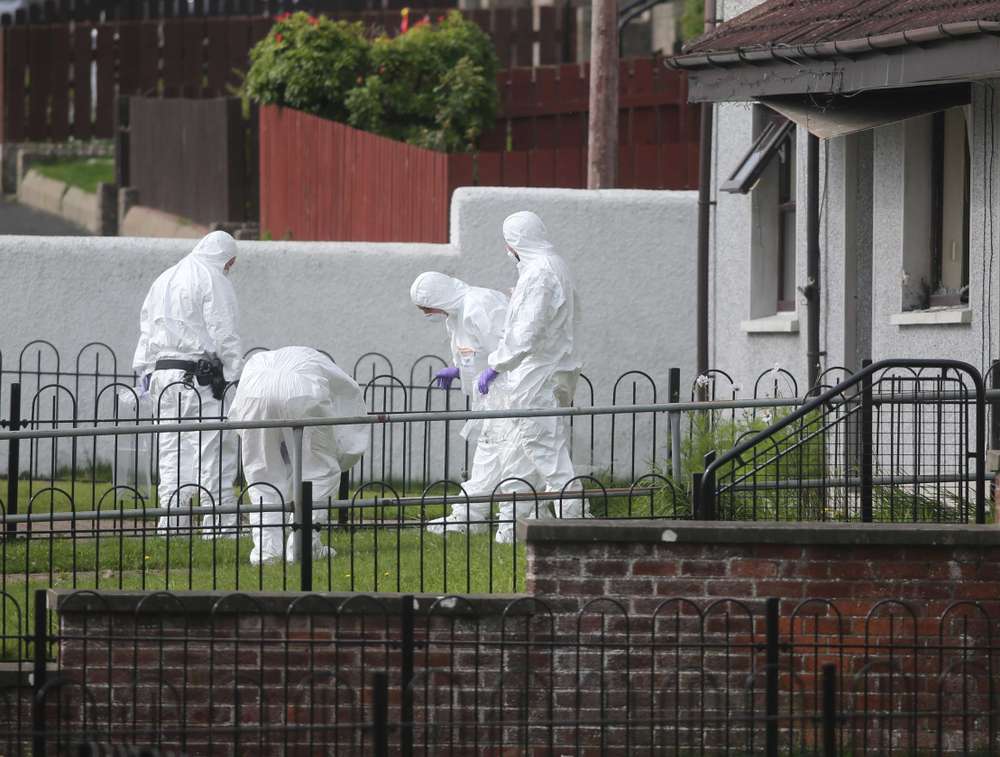
A professional trauma cleaning service begins with a thorough risk assessment before any work starts. Operatives are trained in biological hazard management, correctly equipped, and follow a structured remediation process that addresses both visible contamination and any material that may have penetrated beneath surfaces.
All waste is handled, documented, and disposed of in accordance with current UK regulations. On completion, the client receives confirmation that the work has been carried out to the required standard, with full documentation available if required.
Sentrex operates to this standard on every job. Our accreditations reflect the processes and training our teams follow, and our specialist cleaning services are built around outcomes that genuinely protect people and property.
Discretion and Dignity as Standard
Trauma cleaning is sensitive work. The people involved are often in a state of distress, and the last thing they need is operatives who treat the job as routine. Our teams work with discretion, respect the significance of what they are dealing with, and communicate clearly at every stage. This is not an add-on. It is part of how we work.
Choosing the Right Provider
When selecting a trauma cleaning provider, the questions worth asking are straightforward. Can they provide a documented risk assessment? Are their operatives trained in biological hazard management? Do they hold the necessary waste carrier licences? Can they provide documentation on completion?
If the answer to any of these is unclear, that uncertainty is itself a risk indicator.
The Sentrex trauma cleaning service is designed to provide clear answers to all of these questions before work begins. We understand that people contacting us are often doing so in difficult circumstances, and our approach reflects that.
If you need to speak with someone about a situation you are managing, our team is available and ready to help. Contact us to discuss your requirements in confidence, or find out more about us and how we work.


