
For headteachers across the UK, managing the cleanliness of schools can be a balancing act between tight budgets and high expectations. Even well intentioned institutions can fall into patterns that compromise pupil wellbeing and operational efficiency.
Maintaining high school hygiene is not just about making a building look presentable for parents’ evenings. It is a fundamental pillar of infection control. When mistakes occur in the cleaning regime, the results are measurable: increased pupil and staff absenteeism, diminished concentration levels, and potential regulatory complications.
By identifying and correcting these five common oversights, school leaders can create a safer, more productive learning environment.
1. Conflating Tidiness With Cleanliness
One of the most frequent mistakes in schools is confusing tidy with clean. A classroom can look immaculate to the naked eye, desks aligned, floors swept, and bins emptied, but it can still be home to many pathogens. Understanding this distinction is the starting point for any meaningful improvement in school hygiene.
The Problem With Surface Level Cleaning
Many cleaning schedules are designed around visual metrics. If a surface looks shiny, it is assumed to be safe. However, bacteria and viruses can thrive in biofilms on high touch surfaces. If a cleaner wipes a desk with a damp cloth without using a virucidal agent and allowing for the correct contact time, they are often just spreading germs from one surface to another.
The Fix: Target High Touch Points
Schools must shift their focus from visual tidiness to biological hygiene. This means identifying the most overlooked germ hotspots in schools and how to fix them. Ensure that your commercial cleaning contract specifically mandates the disinfection of door handles, light switches, keyboards, and banisters using products that meet British Standards such as BS EN 14476.
2. Not Training Staff for Relevant Cleaning Needs
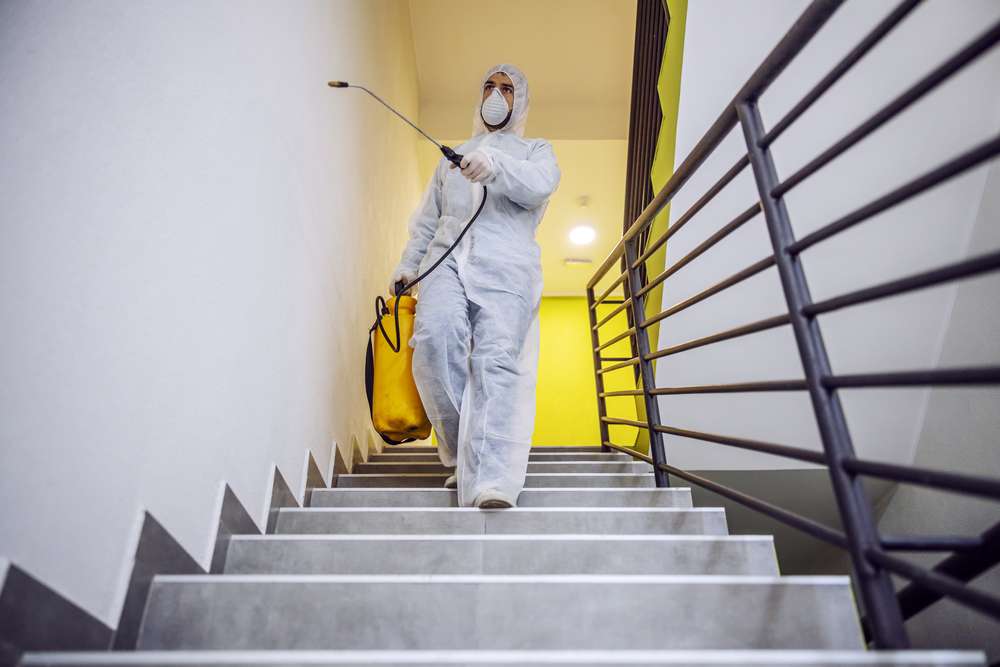
Effective school cleaning is a technical discipline. It requires a genuine understanding of chemical safety, cross-contamination, and the correct use of modern equipment. Although a teacher is not expected to carry out deep cleaning daily, basic knowledge of safe practice matters when a quick clean is needed at short notice.
The Risk of Untrained Operatives
When schools rely on untrained staff or cleaning contractors who do not invest in their people, several risks emerge:
- Cross-contamination: Using the same cloth for a washroom and a classroom.
- Chemical misuse: Mixing incompatible products, which can lead to hazardous fumes.
- Inefficiency: Using outdated methods that take longer and yield poorer results.
The Fix: Invest in Accredited Training
Verify that all cleaning personnel have undergone formal staff training, including COSHH compliance (Control of Substances Hazardous to Health). Professional teams should be able to evidence their training in the correct use of colour coded equipment and the safe handling of chemicals. Checking a provider’s accreditations is a reliable way to ensure they take training seriously.
3. Ignoring Hidden Germ Spots
While the main halls and classrooms receive daily attention, certain areas often fall through the cracks of a standard cleaning rotation. These areas slowly accumulate grime and bacteria, eventually becoming the source of persistent odours or illness outbreaks.
Where Schools Often Fail
Many sites fail to address blind spots such as the undersides of furnishings, the seals of communal fridges in staff rooms, and the internal surfaces of lockers. Over time, these areas contribute to a poor hygiene standard and can go undetected for months.
The Fix: Comprehensive Auditing
School leaders should familiarise themselves with the dirtiest spots in schools that cleaners know about and incorporate them into a monthly or termly audit. Expanding the cleaning specification to cover these locations ensures they are not routinely skipped. An external audit can confirm how clean your school really is and give you a clear basis for adjusting your cleaning contract accordingly.
4. Failing to Schedule Regular Deep Cleaning
Daily cleaning is designed to maintain a baseline of hygiene, but it is rarely enough to tackle the embedded dirt that accumulates in a busy school environment. A mistake many schools make is relying solely on their term time daily routine and skipping the intensive holiday deep cleaning.
Without a deep clean, carpets become a trap for allergens and dust mites, which can worsen respiratory issues for pupils with asthma. Hard floors can become porous and stained, and kitchen extraction systems can become fire hazards.
The Fix: Strategic Term Break Planning
Planning for deep cleaning schools during half terms and summer holidays is essential. This should include:
- Professional carpet steam cleaning.
- Floor stripping and resealing.
- High level dusting of vents and light fixtures.
- Deep disinfection of all sports equipment and soft play areas.
5. Inconsistent Hand Hygiene Infrastructure
The best cleaning regime in the world will struggle to keep illness at bay if the building’s occupants are constantly reintroducing germs. A common mistake is assuming that a hand hygiene poster is sufficient to change behaviour, without providing the physical infrastructure to support it.
Common Infrastructure Failures
- Empty soap dispensers in pupil washrooms.
- Broken hand dryers leading to pupils wiping hands on their clothes.
- Sanitiser stations that have been empty for weeks.
- Dispensers positioned out of reach for younger children or those with SEND.
The Fix: A Proactive Maintenance Loop
Hygiene is a partnership between the cleaning team and the pupils. Ensure your site manager or caretaker has a daily check and fill routine for all hygiene consumables. Beyond the physical supplies, schools should follow a structured plan on how to prevent the spread of germs in schools, ensuring that handwashing is encouraged at key moments throughout the school day.
The Benefits of Avoiding These Cleaning Mistakes
Correcting these mistakes does more than lower the risk of a flu outbreak. Consistent, well managed hygiene has a direct impact on a school’s broader goals, from pupil attendance through to inspection readiness.
Attainment and Attendance
A healthy school is a productive school. By improving infection control, schools can see a measurable reduction in teacher and pupil absences. When pupils are in the classroom rather than at home unwell, attainment naturally rises. Clean, fresh environments also support concentration and reduce the cognitive load on learners.
Reputation and Inspections
Parents are increasingly vocal about the state of school facilities. A school that feels neglected or smells of stale air can quickly affect its local reputation. Furthermore, many facilities managers ask: can school cleanliness improve your Ofsted rating? While it is not a standalone grade, it heavily influences the Leadership and Management and Health and Safety components of an inspection.
Environmental Responsibility
Many modern schools are also looking to reduce their environmental impact by moving toward sustainable cleaning practices. Using biodegradable, low toxicity products reduces chemical exposure for pupils, particularly those with allergies, and helps the school meet its sustainability targets.
Summary Checklist for School Leaders

| Mistake | Immediate Fix |
|---|---|
| Visual Over Biological Cleaning | Implement ATP testing or virucidal touchpoint cleaning. |
| Untrained Staff | Check COSHH certificates and provider accreditations. |
| Hidden Germ Spots | Add 7 germ hotspots in classrooms to your audit. |
| No Deep Cleaning | Book a term break deep clean at least twice a year. |
| Poor Hand Hygiene | Ensure soap and sanitiser levels are checked daily. |
Conclusion
Avoiding these five mistakes requires a shift in perspective, moving from viewing cleaning as a cost to be minimised to treating it as an investment in health. When school hygiene is managed with technical precision, the benefits extend across the entire community.
At Sentrex, we work alongside schools as a long-term facilities partner. Our teams are fully trained, DBS checked, and equipped with sustainable cleaning technology suited to educational environments. You can learn more about us and our commitment to the UK education sector by browsing our dedicated service pages.
Ready to review your school’s hygiene standards? Contact us today to request a comprehensive site survey or a bespoke hygiene audit.


