Birmingham’s 8.5 million square feet of office space serves financial institutions, legal practices, tech companies, and corporate headquarters across dramatically different environments. Colmore Business District’s Victorian banking halls contrast with Snowhill Quarter’s glass towers. Brindleyplace’s canalside offices differ from Jewellery Quarter’s workshop conversions. Mailbox’s luxury suites operate nothing like Longbridge business parks. Each environment creates distinct cleaning challenges. Heritage stonework accumulates different contamination than modern glazing. Tech startups generate different waste patterns than law firms. Sentrex delivers office cleaning recognising these operational differences rather than applying uniform approaches.


Colmore Row and Newhall Street concentrate Birmingham’s legal and financial establishment. Victorian buildings house law firms managing confidential client documentation. Period architecture includes ornate plasterwork, original flooring, and listed features demanding specialist cleaning knowledge. Out-of-hours access becomes essential protecting client confidentiality whilst cleaners work through partner offices and meeting rooms.
Snowhill and Arena Central attract corporate headquarters valuing modern workspace. Floor-to-ceiling glazing maximises natural light but shows every streak and smear. Open-plan layouts mean cleaning disruption affects entire floors. Sustainable building certifications require environmental cleaning products and waste separation protocols. These tenants expect contemporary standards including regular air quality management and sanitisation.
Brindleyplace’s canalside location creates specific problems. External environment brings additional contamination. Canal users and restaurant visitors mean high public visibility demanding premium presentation. Mixed-use buildings combine office cleaning with hospitality standards where ground-floor restaurants and bars operate alongside upper-floor professional services.
Jewellery Quarter conversions turn former workshops into creative sector offices. Exposed brickwork, original metalwork, and industrial features attract architects and design practices. These characterful spaces demand cleaning preserving historic elements. Modern hygiene requirements must achieve without damaging period features or altering architectural character.
Mailbox targets premium professional services through luxury presentation. Concierge services, business lounges, and shared hospitality areas require hotel-standard cleaning. Tenants paying premium rents expect corresponding service quality. Shared facilities mean cleaning schedules coordinate across multiple tenant requirements.
Suburban locations including Solihull, Edgbaston, and Longbridge operate differently. Larger floor plates house higher staff densities. Extensive car parking, canteens, and welfare facilities create additional cleaning scope. These back-office environments prioritise functionality over presentation but still require consistent standards supporting employee wellbeing.

Birmingham’s heavy traffic generates airborne particulates settling on buildings. Ventilation systems distribute contamination unless regularly maintained. Window exteriors require frequent attention as pollution reduces natural light quality affecting workspace experience.
Construction activity proves significant. HS2 development, ongoing regeneration, and building refurbishments generate dust affecting nearby offices. Businesses near construction sites battle increased soiling requiring adjusted cleaning frequencies and enhanced entrance matting systems.
Seasonal patterns create predictable challenges. Autumn leaves track into buildings throughout city centre’s tree-lined streets. Winter brings salt residues from gritted roads damaging floor finishes. Spring pollen affects air quality. Summer heat intensifies bin odour management.
Building usage patterns matter more than square footage. Call centres with high desk density generate more waste than executive suites. Client-facing businesses receive constant visitors tracking external contamination. Tech companies offering free food create intensive kitchen cleaning demands. Manufacturing support offices manage industrial contamination from adjacent production areas.
Many Birmingham businesses attempt internal cleaning alongside staff primary roles. Professional office cleaning and whether it’s worth it becomes obvious when reception areas start looking tired, washrooms develop persistent odours, and carpets show traffic patterns. Employee time diverts from productive work. Professional appearance deteriorates. Health and safety standards slip.
Price comparison without specification evaluation creates problems. Three quotes might show £500, £750, and £1,000 monthly. The cheapest wins. Six months later, corners become visible. Bins overflow. Washrooms run short of consumables. What office cleaners charge and how to get the best value explains why specification matters more than hourly rates when evaluating quotes.
Frequency mistakes compound over time. How often should you clean your office depends on actual usage patterns. A 20-person office with occasional visitors operates differently than a 20-person call centre receiving constant client meetings. Arbitrary schedules ignore operational realities creating either excessive cost or inadequate cleanliness.
How much does office cleaning cost varies dramatically across Birmingham. Colmore Row commands premium rates. Parking restrictions mean cleaners pay city centre charges. Building access involves security protocols. Heritage buildings need specialist knowledge. Suburban business parks offer straightforward access, free parking, and simpler logistics reducing operational costs.
Office cleaning costs per square foot creates comparison frameworks but masks important variables. Out-of-hours premiums, consumables provision, and cleaning depth all affect pricing. A £2 per square foot quote might include everything. A £1.50 quote might exclude consumables, provide minimal staffing, and skip high-level cleaning entirely.
Staff numbers drive requirements. Fifty people across 5,000 square feet generate different cleaning demands than ten people in identical space. Visitor frequency matters. Food preparation areas need intensive maintenance. Confidential waste requires secure handling. Each variable affects total cost beyond simple square footage calculations.
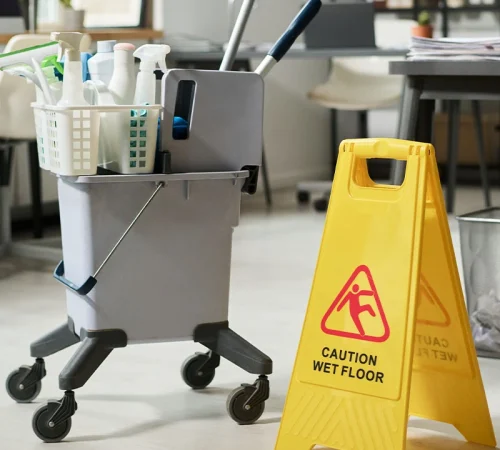

How to keep your office clean extends beyond professional services. Clear desk policies help cleaners work efficiently whilst protecting confidential information. Kitchen protocols prevent food waste accumulation between professional cleans. Basic washroom etiquette supports cleaner efforts throughout working days.
Daytime cleaning works for some Birmingham offices. Cleaning becomes visible to staff and visitors. Spillages receive immediate attention. Meeting room turnarounds happen between bookings. Six ways a cleaner office boosts employee morale instantly includes improved air quality reducing sick days, enhanced professional environment supporting recruitment, better focus from organised spaces, increased workplace pride, and positive visitor impressions.
Most Birmingham offices prefer out-of-hours cleaning. Early morning, evening, or overnight operations avoid disruption. Confidential work remains secure. Staff arrive to clean environments. However, supervision becomes challenging. Security access requires careful management. Smaller businesses without facilities teams need clear communication protocols ensuring cleaning standards maintain without daily oversight.
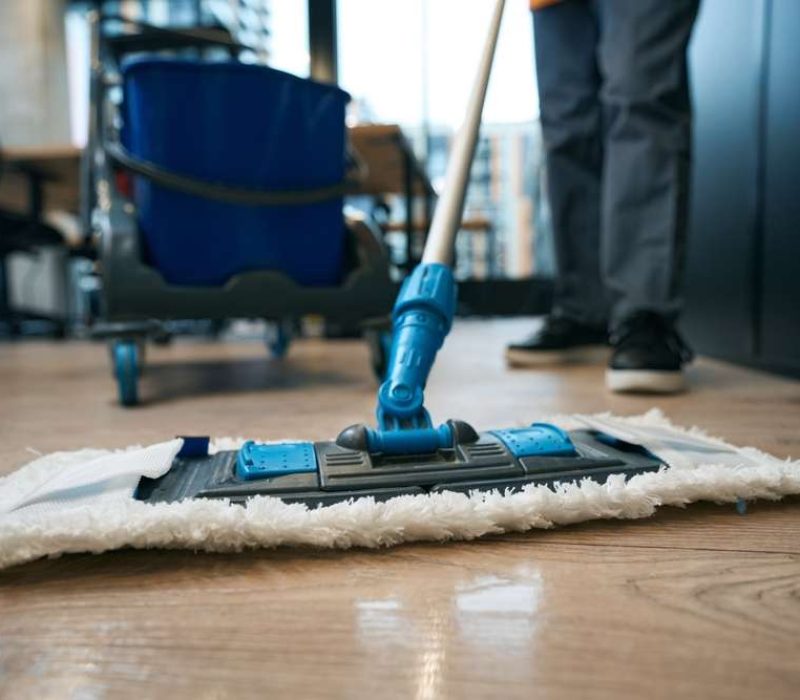

Office cleaning works best within comprehensive facility support. Birmingham businesses combine daily cleaning with periodic deep cleaning tackling carpets, upholstery, and high-level areas. Window cleaning maintains natural light quality. Specialist services address specific requirements from sanitisation to heritage building care.
Our accreditations including CHAS, Safe Contractor, ISO 9001, and ISO 14001 satisfy procurement requirements across sectors. Financial services need documented compliance. Legal practices require confidentiality assurances. Heritage buildings demand specialist knowledge. Tech companies expect environmental credentials.
Our approach starts with understanding Birmingham office operations across different sectors and locations. Colmore Row law firms operate differently than Jewellery Quarter design studios. Arena Central corporate headquarters have different needs than Longbridge back-office operations.
Birmingham businesses can contact us on 0333 240 1145 to discuss office cleaning addressing specific operational requirements, building characteristics, and sector expectations rather than generic cleaning schedules assuming all offices operate identically.
