
In the complex ecosystem of a UK school, the focus is naturally on curriculum delivery, pastoral care, and safeguarding. However, an invisible factor significantly influences all three: the physical environment. Whilst school cleaning is often seen as a background operational task, its impact on the health, attendance, and cognitive performance of children is profound.
When cleaning standards slip, the consequences extend far beyond a dusty shelf or a smudged window. For headteachers, governors, and school business managers, understanding the link between hygiene and pupil outcomes is essential for the education of the children.
The Physical Health Impact: Beyond the Common Cold
Schools are unique environments where high density populations of children, who are still developing their immune systems and personal hygiene habits, interact closely for several hours each day.
Infection Control and Absenteeism
Poor school hygiene is a direct driver of absenteeism. Viruses such as norovirus and the common cold can survive on hard surfaces like desk tops, door handles, and shared tablets for several days. Without rigorous daily disinfection, these high touch points become hot spots for transmission.
According to data from the UK Health Security Agency (UKHSA), minor illnesses are the leading cause of pupil absence. When a school fails to implement robust infection control measures, a single case of illness can rapidly escalate into a school wide outbreak. This doesn’t just affect pupils; it impacts staff attendance too, leading to the high costs of supply teachers and disrupted lesson continuity.
Allergens and Respiratory Health

Classroom cleanliness is a matter of safety. Dust mites, mould spores, and pollen are common allergens that thrive in poorly maintained carpets and soft furnishings.
If a school’s commercial cleaning regime ignores high level dusting or deep carpet extraction, these triggers accumulate. This can lead to increased inhaler usage, flare ups, and even emergency hospitalisations.
Furthermore, the use of harsh chemicals outside standardised formulations can introduce Volatile Organic Compounds (VOCs) into the air, further irritating sensitive lungs. A shift towards sustainable cleaning with certified low toxicity products is therefore an inclusive choice that protects the most vulnerable pupils.
The Psychological Barrier: Wellbeing and Learning
The impact of cleanliness is not purely biological; it is psychological. The state of a school building sends a powerful message to pupils about how much they and their environment are valued.
Concentration and Cognitive Load
Environmental psychology suggests that cluttered and dirty environments increase cognitive load. When a classroom is untidy or smells of damp or stale air, it creates a subtle but constant distraction. Pupils find it harder to focus on complex tasks when their sensory environment is unpleasant.
Conversely, a clean, fresh smelling classroom promotes a sense of calm and order. It signals to the pupil that the space is prepared for their success.
This is particularly important for pupils with Special Educational Needs and Disabilities (SEND), such as those with autism, who may be hypersensitive to sensory inputs like unpleasant odours or sticky surfaces.
Pride and Behaviour
There is a documented “broken windows” effect in schools. When pupils see that communal areas, such as toilets, are neglected, they are less likely to treat those spaces with respect.
This can lead to a downward spiral of poor behaviour and vandalism. Investing in high quality school cleaning fosters a sense of pride in the school community, encouraging pupils to maintain the standards they see around them.
Identifying the Hygiene Gaps: A School Audit
Many school leaders believe their buildings are clean because they look tidy at 9:00 AM. However, the difference between “visibly tidy” and “hygienically clean” is significant. To understand where your school stands, a formal audit is necessary.
A Concise School Cleaning Audit Checklist
- High touch points: Are door handles, light switches, and shared keyboards disinfected daily?
- Bathroom hygiene: Are there signs of deep seated grime in grout lines? Is there a persistent odour despite regular cleaning?
- Air quality: Is there visible dust on high level vents or window sills?
- Equipment: Are cleaning staff using colour coded cloths to prevent cross contamination between toilets and classrooms?
- Staff training: Can your cleaning staff training records prove that they understand the difference between cleaning (removing dirt) and disinfecting (killing germs)?
If your audit reveals gaps, it may be time to reassess why schools need regular deep cleaning to reset the baseline of hygiene.
Procurement and the Value of Professional Standards
For many schools, the challenge lies in the tension between tight budgets and the need for high standards. Often, cleaning contracts are awarded based on the lowest price, which inevitably leads to corners being cut, typically in staff training, equipment quality, or the time allocated per classroom.
Moving Beyond the Lowest Bid
When evaluating a cleaning provider, school business managers should look for evidence of professional rigour. This includes our accreditations such as ISO 9001 or 14001, which demonstrate a commitment to quality management and environmental responsibility.
Key Performance Indicators for School Cleaning
- Cleanliness Scores: Regular ATP (Adenosine Triphosphate) testing to scientifically measure surface bacteria levels.
- Absence Trends: Monitoring whether hygiene improvements correlate with a drop in illness related absenteeism.
- Audit Consistency: Monthly walk throughs with the cleaning supervisor to ensure standards are maintained.
Linking Cleanliness to School Performance
The Department for Education (DfE) and Ofsted both place high importance on the personal development and welfare of pupils. A school that can demonstrate a clean, safe and well managed environment is providing the best possible foundation for its pupils to thrive.
Some school leaders have noted that improvements in the physical environment have a positive ripple effect on the school’s reputation.
This raises the question: can school cleanliness improve your Ofsted rating? While cleaning alone isn’t a graded category, it directly supports the Health and Safety and Leadership and Management requirements that inspectors look for.
Beyond the daily cleaning schedule, schools must have a proactive strategy for how to prevent the spread of germs in schools. This involves:
- Promoting hand hygiene: Ensuring that washrooms are well stocked with soap and that drying equipment is functional.
- Targeting overlooked areas: Identifying the most overlooked germ hotspots in schools, such as communal sports equipment and library books, and ensuring they are part of the cleaning rotation.
- Clearance cleaning: Ensuring that if an outbreak occurs, the school has a protocol for immediate fogging or deep cleaning of affected zones.
The Future: Sustainable and Inclusive Cleaning
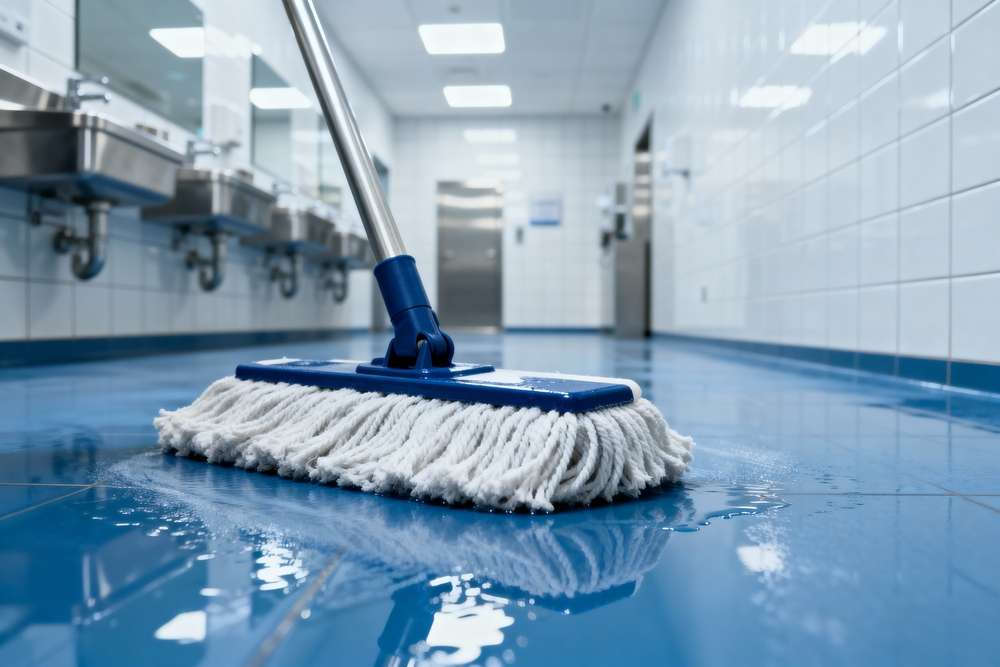
As we move through 2026, the definition of a clean school is evolving. It is no longer enough to be germ free; the process must be sustainable.
Sustainable cleaning involves using concentrated products to reduce plastic waste and choosing formulations that are biodegradable. This isn’t just an environmental choice; it’s a health choice. Reducing the chemical load in a classroom is essential for pupils with SEND or respiratory conditions.
Schools should also be aware of the most overlooked germ hotspots in schools and how to fix them, such as communal PE equipment and musical instruments, which often fall outside the standard cleaning contract.
Conclusion: A Strategic Priority
Cleanliness is not a luxury or an add on to a school’s budget; it is a fundamental requirement for a safe and effective learning environment. When we neglect school hygiene, we are essentially allowing an avoidable barrier to pupil progress.
By investing in high standards, professional training, and evidence based practices, school leaders can protect pupil health, reduce absenteeism, and create a space where both children and staff feel valued and safe. For more information on our standards and approach, read about us.
If your current cleaning provision is falling short, a structured review is the right starting point. For a deeper look at where gaps typically appear, read our guide on how clean are schools really? To discuss how our approach to school cleaning works in practice, contact us.


