
Retail environments are designed to be inviting. Clean sight lines, well-lit displays, and tidy shelving all contribute to the impression of a well-run store. But beneath that surface presentation, shop floors and fitting rooms are among the most microbiologically active spaces in any commercial setting. Thousands of people pass through, touch products, try on clothing, and leave traces of bacteria, fungi, and viruses on every surface they contact. Most of it is invisible. Very little of it is harmless over time. This article examines what actually accumulates in retail spaces, where the concentration is highest, and what that means for the businesses responsible for managing it.
Why Retail Environments Are a Particular Hygiene Challenge
A busy shop floor combines several conditions that create persistent hygiene risk. High footfall brings in contaminants from outside on footwear and clothing. Shared product handling means that items are touched repeatedly by different customers before purchase. Fitting rooms involve close physical contact with surfaces, soft furnishings, and carpeted or tiled floors in an enclosed space with limited ventilation. Each of these factors compounds the others.
The challenge for retail businesses is that the hygiene standard customers experience is not the same as the hygiene standard that is visible. A floor that has been swept and a fitting room that has been straightened can still harbour significant microbial contamination. Understanding what shoppers immediately notice about store cleanliness makes clear that customers are more perceptive than retailers often assume, and the connection between cleanliness and purchasing behaviour is well established. What is less visible but equally important is the health dimension that sits behind that perception.
What Lives on Shop Floors
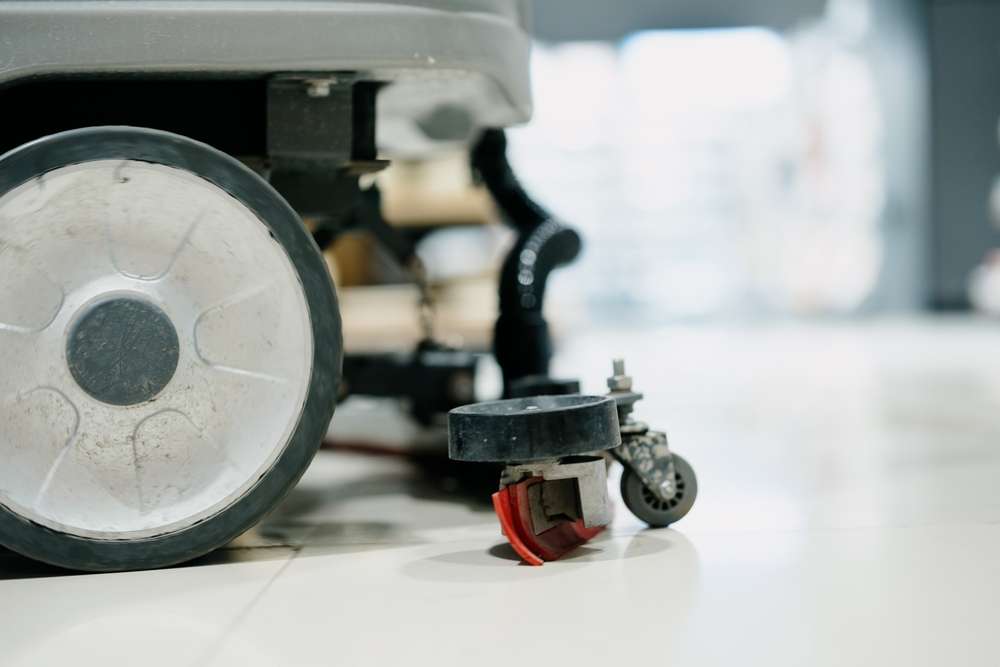
Shop floors accumulate contamination from multiple sources simultaneously. Outdoor footwear carries bacteria, soil particles, and organic matter from pavements, transport hubs, and car parks. These are distributed across the floor surface with every step. In high-footfall environments, this process repeats thousands of times each day, and the result is a floor that carries a far higher microbial load than its appearance suggests.
Hard floors concentrate contamination at grout lines, floor edges, and beneath display units and shelving. Carpeted areas embed particles into the fibre structure where standard vacuuming has limited reach. The area around entrance points, checkout counters, and product display stands consistently shows the highest levels of surface contamination because those are the points of greatest human contact and the most frequent transfer from outside.
Floor cleaning in retail environments is often treated as a cosmetic task, focused on appearance rather than hygiene outcome. The reality is that floor surfaces in busy shops require a cleaning approach that addresses microbial load, not just visible dirt, and at frequencies that reflect the volume of footfall the space receives rather than a fixed schedule set when the store was quieter.
Checkout Areas and High-Contact Surfaces
Checkout counters, payment terminals, trolley and basket handles, and customer-facing staff areas are among the most heavily contaminated surfaces in any retail environment. These are touched by every customer who passes through, often after handling products, cash, or their phone. The NHS guidance on contaminated surfaces and workplace health identifies shared contact surfaces as primary transfer points for pathogens, and retail checkout areas represent exactly this kind of environment at scale.
Card readers and touchscreen payment terminals are particularly significant. They are touched by customers throughout the day, rarely cleaned between uses, and are in regular contact with bags, clothing, and hands that have been in contact with a wide range of other surfaces.
What Lives in Fitting Rooms
Fitting rooms present a more concentrated hygiene risk than shop floors because of the nature of what happens in them. Customers remove footwear, try on multiple items of clothing, and make physical contact with walls, benches, hooks, and flooring in an enclosed space with limited ventilation. The enclosed nature of fitting rooms also means that airborne particles and humidity from breath and perspiration are less dispersed than in open retail areas.
Fungal organisms, including those responsible for athlete’s foot and ringworm, can survive on hard and soft surfaces for extended periods. Bacteria introduced through clothing and skin contact accumulate on benches, seat pads, and carpeted flooring. The hooks and door handles that every customer touches are rarely included in standard cleaning routines despite being among the most frequently contacted surfaces in the space.
Retail cleaning errors that drive customers away frequently centre on exactly this kind of area, where the hygiene expectation from customers is high but the cleaning investment is low. A customer who notices a hair on a fitting room floor, a stained bench pad, or a strong odour in an enclosed cubicle draws immediate conclusions about the standards of the business as a whole. The connection between retail cleanliness and the customer experience runs deeper than what is consciously noticed in the moment.
Soft Furnishings and Fabric Surfaces
Seating in fitting rooms, padded bench surfaces, and fabric wall panels absorb contamination in ways that hard surfaces do not. They cannot be wiped down with a surface disinfectant in the same way. They retain odours, harbour dust mites, and accumulate skin cells and moisture over time. In many retail environments, these surfaces receive no specialist cleaning unless a visible stain forces attention to them.
The hygiene practices of high-end retailers reflect a consistent understanding that soft surfaces require scheduled specialist treatment rather than being left until deterioration becomes obvious. That standard is worth applying regardless of retail tier, because the health implications are the same across all of them.
The Regulatory Context for Retail Hygiene
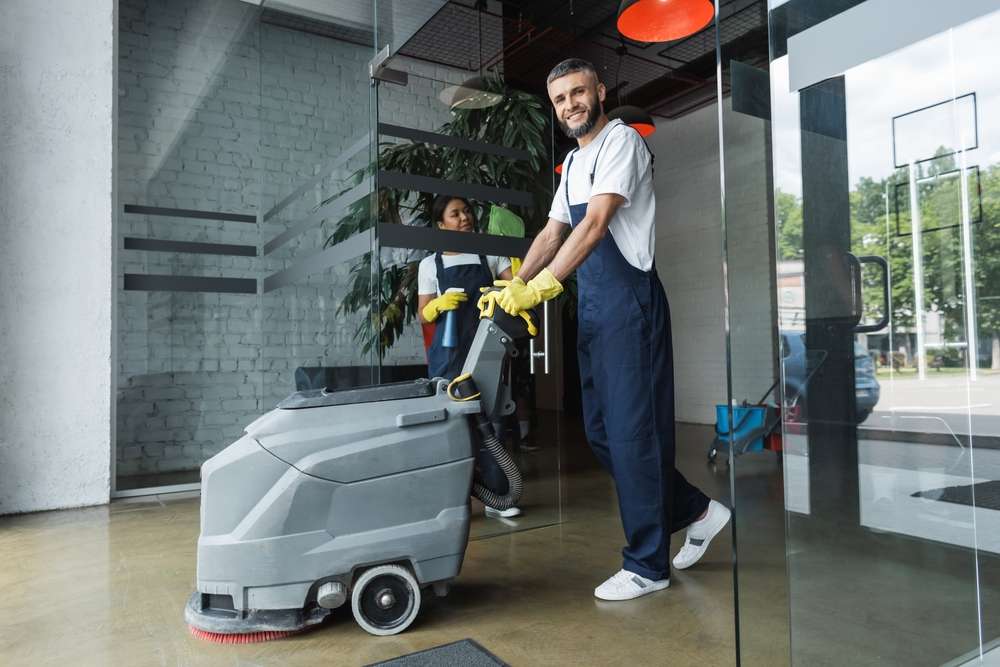
Retail businesses in the UK operate under obligations set out in the Workplace (Health, Safety and Welfare) Regulations 1992, which require that workplaces, including customer-facing retail environments, are kept clean and that surfaces likely to accumulate dirt are cleaned at suitable intervals. The Health and Safety at Work Act 1974 places a broader duty of care on employers to protect both staff and members of the public who enter their premises.
The HSE’s guidance on working environments covers cleanliness as part of the overall duty to maintain a safe place of work. For retail businesses, this applies not only to back of house areas but to every part of the premises accessible to staff and customers. A hygiene failure in a fitting room or on a shop floor is not simply a reputational issue. It is a compliance matter with consequences that extend beyond the store.
Best practice cleaning routines for high-traffic retail spaces reflect both the regulatory baseline and the operational realities of busy retail environments, where cleaning needs to be integrated into the trading day rather than treated as an end-of-day task.
Building a Cleaning Programme That Actually Protects Your Store
Managing retail hygiene to a standard that genuinely protects customers and staff requires more than daily sweeping and a periodic mop of the floor. A programme that delivers real outcomes covers the following as a minimum:
- Systematic disinfection of high-contact surfaces throughout the trading day, including checkout equipment, door handles, trolley and basket handles, and all fitting room hardware
- Floor cleaning at appropriate frequencies using methods suited to the specific surface type and footfall level, addressing microbial load alongside visible contamination
- Scheduled deep cleaning of fitting room soft furnishings, seat pads, and fabric surfaces that cannot be maintained through standard wipe down routines
- Attention to low-visibility accumulation points including floor edges, beneath shelving, grout lines, and enclosed display areas
The cleaning errors that most commonly affect customer perception and staff welfare are almost always the result of an under-resourced or poorly structured programme rather than deliberate neglect. Addressing the structure of the cleaning operation delivers more consistent results than responding reactively to visible problems.
Professional retail cleaning services provide the systematic approach, the trained staff, and the appropriate equipment to maintain standards that in-house teams working around live trading cannot consistently replicate on their own.
At Sentrex, we work with retail clients to build cleaning programmes structured around the realities of their trading environment, their footfall patterns, and the specific demands of their spaces. To discuss what that could look like for your stores, get in touch with the team.


