
Walking into a shop should feel like a warm invitation. Whether it is a high end boutique in a luxury district or a busy shopping centre, the physical environment communicates a brand’s values long before a staff member has the chance to say hello. Yet, many facilities managers overlook the subtle psychological cues that tell a customer to leave. When a floor looks dull or a fitting room feels neglected, the shopper does not just notice the mess. They subconsciously decide that the brand does not care about their experience or, more importantly, their hygiene. Retail cleaning errors are rarely just about a bit of dust; they are about a fundamental breakdown in trust that directly impacts the bottom line.
Neglecting High Traffic Floor Care
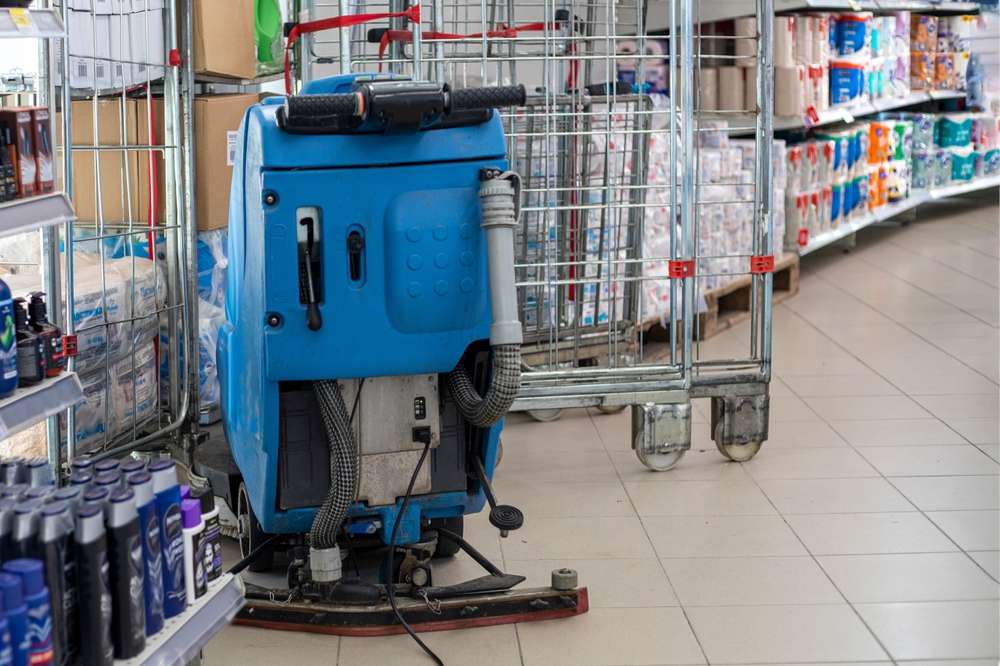
The floor is the largest surface area in any retail environment. It is the first thing a customer sees and the surface they remain in constant contact with throughout their visit. One of the most common mistakes is a reactive rather than proactive approach to floor maintenance. When shops only clean floors when they look visibly dirty, the battle is already lost. Accumulated grime, scuff marks, and salt deposits tracked in from the pavement create an atmosphere of neglect that is difficult to shake.
Poor floor maintenance is more than an aesthetic problem. In high pressure environments, a dirty floor can actually become a safety hazard. If spills are not managed through a structured, rapid response routine, the risk of slips increases significantly. Many businesses fail to understand why floor cleaning is essential in shops and shopping centres beyond the basic visual appeal. Professional floor care preserves the asset and ensures shop floor hygiene meets the high standards today’s shoppers expect.
A structured approach is the only way to prevent floors from becoming a deterrent. Instead of ad hoc mopping, retailers should implement the best cleaning routines for high traffic retail spaces, which include scheduled deep cleans and frequent daytime patrols. This ensures a consistent level of presentation that survives the mid afternoon rush, giving clients confidence that their premises remain welcoming from opening until close.
Focusing Only on What Is at Eye Level
Retail hygiene mistakes often stem from a checklist that is too narrow. Cleaners might wipe down the obvious counters but ignore the skirting boards, the tops of clothing racks, or the vents in the ceiling. This is a significant oversight because customers, particularly those waiting in queues or browsing at a slower pace, tend to notice these forgotten corners. Dust buildup on high ledges suggests that the store’s standards are only surface deep.
In many households, people might overlook a bit of dust on a ceiling fan, but in a retail setting, it signals a lack of professional oversight. Shoppers are observant. There are specific things shoppers notice about store cleanliness immediately, and often these are the spots that have been left off a standard cleaning rota. If the areas that are difficult to reach are visibly dirty, the customer may quickly begin to wonder about the hygiene of the stock itself.
Process led solutions involve a comprehensive cleaning audit for retail clients. This ensures every inch of the environment, from the floor to the rafters, is accounted for. This level of detail provides real accountability, as it removes the guesswork from the cleaning team’s daily tasks. By moving away from a “good enough” mindset, retailers can maintain an environment that feels genuinely cared for.
The Real Danger of Dirty Fitting Rooms
The fitting room is perhaps the most intimate part of the retail journey. It is where a customer makes the final decision to purchase. It is also where store cleanliness impact is felt most acutely. Bare feet on a floor, hands touching walls, and the close proximity of mirrors mean that every smudge or stray hair is magnified. Many retailers treat fitting rooms as an afterthought, focusing their energy on the main shop floor instead.
Research into what really lives on shop floors and fitting rooms reveals a startling reality about bacteria and skin cells. If these spaces are not sanitised frequently, they become unpleasant and potentially unhygienic environments. A customer who feels uncomfortable in a fitting room is unlikely to spend a long time trying on clothes, often leading to a lost sale. This represents one of the most damaging retail cleaning errors because it happens at the exact point of conversion.
High end retailers understand this risk better than most. By studying the hygiene secrets of high end retailers, businesses can learn how to treat the fitting room as a sanctuary. This involves frequent checks, lint rolling furniture, and ensuring mirrors are streak free at all times. When a fitting room feels like a premium environment, the customer feels more confident in both the brand and the product they are about to buy.
Using the Wrong Chemicals and Tools
Not all cleaning products are created equal. A common error in retail environment standards is using generic, multi purpose cleaners on specialised surfaces. Using a harsh chemical on a natural stone floor can cause permanent damage, while using a greasy glass cleaner can leave a film on display cabinets that actually attracts more dust. These mistakes lead to a poor store presentation that looks “cheap” even if the shop is selling luxury goods.
The scent of cleaning chemicals can also be a deterrent. A shop that smells strongly of bleach suggests a recent “emergency” clean or a lack of modern, subtle sanitation methods. Modern retail cleaning requires a balance. The environment must be clinically clean without feeling or smelling like a hospital. Achieving this requires professional expertise and access to high quality, industrial grade equipment and solutions.
A dependable approach is built on a specific system rather than just providing staff. Because experts understand the science behind the surfaces in a modern retail unit, teams use specific chemicals and tools that enhance rather than degrade the environment. To learn more about professional philosophies and the teams behind the work, you can read more about us and how we approach professional cleaning standards.
Ignoring the Direct Link Between Hygiene and Sales

Many facilities managers view cleaning as a cost centre rather than a revenue driver. This is a fundamental error. There is a direct, measurable link between retail cleanliness, sales, and customer experience. When a store is impeccably maintained, dwell time increases. Customers stay longer, browse more sections, and are more likely to return. Conversely, a single negative experience with a dirty toilet or a stained carpet can result in a customer vowing never to return.
This is why a generic approach to cleaning often fails. A retail space needs a bespoke plan that understands the flow of footfall and the specific pressures of the trading week. If a business recognises any of these five retail cleaning errors in its own operation, the solution is rarely to simply “clean more.” The solution is to clean smarter, using a process that is audited and held to account.
A comprehensive retail cleaning service is designed to mitigate these risks. By integrating with the store’s operational needs, it ensures that cleaning happens seamlessly in the background. Structured processes give clients the confidence that their brand reputation is being protected every single day. This partnership focused approach allows managers to focus on their primary goal: serving customers and making sales.
How to Improve Your Retail Standards
Cleaning is not a peripheral task; it is a core component of retail operations. Avoiding these five errors often starts with moving from ad hoc tasks to professional cleaning services delivered on a structured, accountable schedule. When retail cleaning is handled by experts who understand the commercial implications of their work, the results are felt across the entire business. A cleaner shop is quite simply a more profitable shop.
If you are concerned that your current cleaning regime may be falling short or if you want to ensure your premises meet the highest possible standards, the first step is a professional consultation. Specialists can help identify areas for improvement and implement a system that works for your specific location. To discuss your requirements with a member of a specialist team, please contact us today.


