
Maintaining electrical infrastructure often means balancing hygiene against the risk of a short circuit. Cleaning methods that rely on moisture or chemicals are rarely suitable for control panels or heavy duty switchgear. Dry ice blasting is one of the few methods facilities managers consider here, because it removes contaminants without water, chemicals or secondary waste. It also sits comfortably within a wider industrial cleaning programme that prioritises asset protection. This article explains where the method suits electrical equipment, where it does not, and what safe delivery looks like.
Why Dry Ice Suits Electrical Cleaning
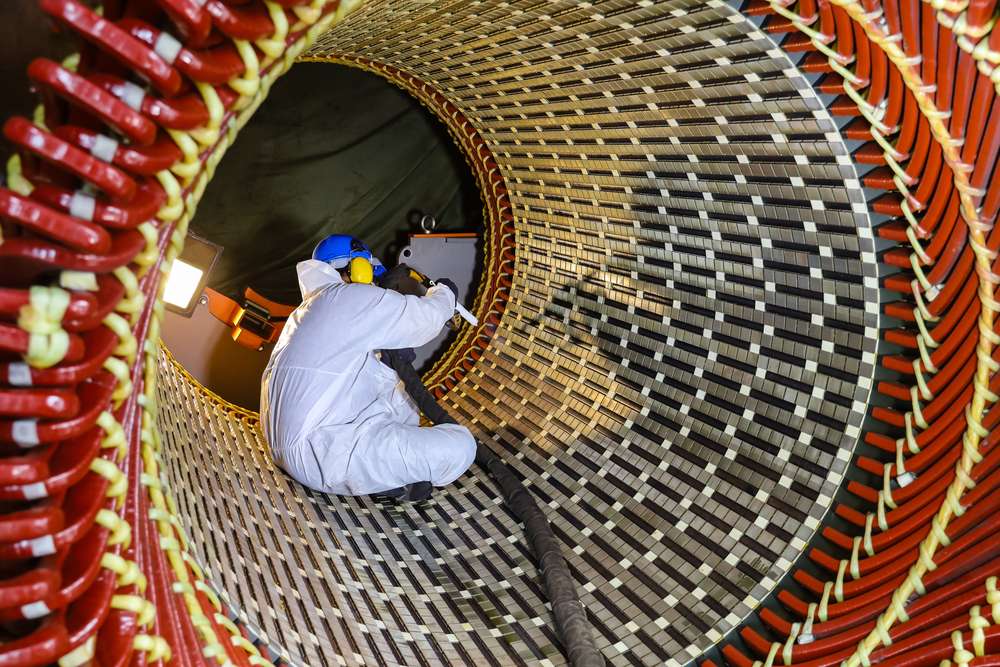
The main concern when cleaning any electrical system is a flashover or short circuit caused by the cleaning method itself. Water and many solvent cleaners can create a path for current or leave residue behind. Dry ice, which is the solid form of carbon dioxide, does not conduct electricity. This allows deep cleaning of components that would be damaged by moisture.
When trained teams use dry ice blasting, the pellets sublimate on impact, which means they turn directly into gas without passing through a liquid phase. Because no liquid is left behind, there is no water to become trapped in wiring or behind components, where it could cause corrosion or a later failure. Blasting does cool the surface, so condensation can form in humid conditions. A competent team controls for this before equipment is re energised. For businesses reporting against environmental targets, the absence of water and chemicals in the process is a further operational advantage.
Dry Ice Blasting Switchgear and Control Panels
Switchgear and control panels collect carbon dust, grease and general industrial grime. Left unchecked, this build up can cause tracking or overheating, and eventually unplanned downtime. Dry ice blasting removes these contaminants from busbars, insulators and terminal blocks. Dry ice is a soft medium, so when pressure and pellet flow are set correctly it does not pit or wear the surfaces of critical components. This makes it a good fit for machinery cleaning where tight tolerances and delicate sensors are present.
The method also suits heavy industry and process plant cleaning, where electrical rooms are often close to production lines that generate heavy particulate matter. Because the process is dry, equipment can usually be returned to service sooner than after the drying times that come with other industrial deep cleaning techniques. This means that planned shutdowns can be shorter.
Can You Use Dry Ice Cleaning on Live Electrical Systems?
Operations directors often ask whether dry ice blasting can be used on live equipment. Dry ice itself does not conduct electricity, but the wider job involves compressed air, hoses, nozzles, possible condensation and a person working close to exposed conductors. For that reason, the standard approach is to isolate the equipment and prove it dead before cleaning begins.
The law takes the same position. Regulation 14 of the Electricity at Work Regulations 1989 prohibits work on or near live conductors where danger may arise, unless it is unreasonable for the equipment to be dead, it is reasonable for the work to be done live, and suitable precautions are taken. A cleaning task will rarely meet the first of those tests.
Safe electrical cleaning also requires an understanding of safe working distances and static discharge. Static electricity can build up during blasting, which is why equipment is grounded and operators follow the manufacturer’s guidance. This technical oversight is part of the training assessments that Sentrex uses to confirm each operative understands the environment they are working in.
Meeting UK Safety Standards and HSE Guidance
Any specialist cleaning task involving electrical infrastructure must sit within UK health and safety law. The Electricity at Work Regulations 1989 require electrical systems to be maintained so as to prevent danger, so far as is reasonably practicable. HSE electrical safety guidance sets out how to assess the hazards and put controls in place. Accumulated dirt and carbon deposits are both a fire risk and a failure risk, so regular cleaning supports compliance as well as operational efficiency. Sentrex lists its credentials on its accreditations page, so clients can check them as part of supplier assessments.
Scheduling professional cleaning services that use dry ice also lets facilities managers show a proactive approach to risk management. Manual scrubbing risks dislodging wires or damaging brittle insulation. Dry ice lifts contaminants away with far less contact from brushes and tools, which reduces the risk of accidental damage during maintenance shutdowns.
Where Electrical Dry Ice Cleaning Is Used Most
The method is used in sectors where hygiene and electrical integrity have to coexist. In bakery and food processing facility cleaning, flour dust settles on motors and control boxes, creating both a fire hazard and a point of failure. Dry ice blasting removes the dust without adding the moisture that would encourage mould growth. Sentrex also provides food production cleaning so that production areas stay hygienic and safe around that equipment.
Other settings follow a similar pattern. In automotive and vehicle manufacturing cleaning, robotic arms need sensors kept clear of grease. In laboratory and research facility cleaning, monitoring equipment benefits from a residue free process that leaves no chemical film. Engineering workshop and fabrication cleaning often involves removing oil from power distribution units that the workflow depends on. After a fire, post fire cleaning services can use dry ice to lift soot from electrical components without adding water, ahead of any assessment of whether they can stay in service.
Ensuring Operational Uptime Through Professional Delivery
The result of dry ice cleaning on electrical equipment depends heavily on the people operating the machinery. It is not a generic service. It requires an assessment of the substrate, the type of contaminant and the sensitivity of the components. This is why Sentrex works with industrial manufacturing and warehousing clients who need a partner that understands the stakes of their environment, and why supervisors oversee the work on site.
For organisations with large portfolios, such as manufacturing group cleaning across multiple sites, consistency matters most. A standard dry method for electrical maintenance reduces variation in results and helps every site meet the same bar for safety and cleanliness. Because the work is documented and risk assessed, clients have records that support internal audits and conversations with insurers.
Regional Support for Industrial Facilities
Sentrex delivers these services across several industrial hubs, so teams are available close to where they are needed. In the North West, that includes dry ice blasting in Manchester, dry ice blasting in Bolton, dry ice blasting in Bury and dry ice blasting in Rochdale. It also includes dry ice blasting in Preston for sites further north.
Along the M62 corridor, dry ice blasting in Warrington serves the surrounding distribution hubs, and dry ice blasting in Stockport serves local engineering firms. Further afield, Sentrex provides dry ice blasting in Leeds and dry ice blasting in Birmingham. Technicians can work around existing maintenance schedules to limit disruption. Sentrex is a ProcurePublic Framework Partner and holds EcoVadis Silver accreditation, placing it in the top 15% of assessed businesses globally for sustainability performance.
Is Dry Ice Blasting Right for Your Facility?
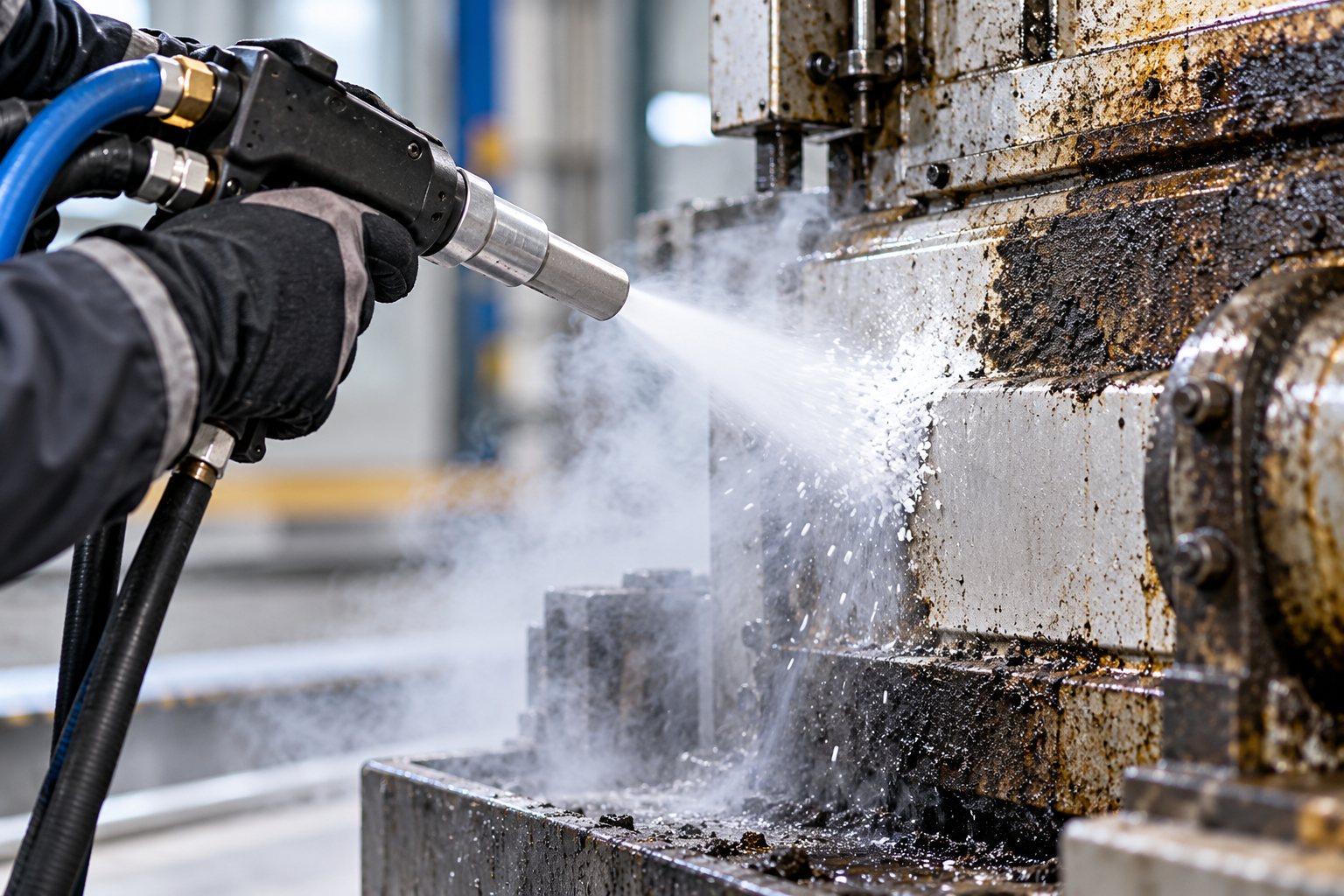
If your facility relies on complex electrical panels, switchgear or sensitive electronics, dry ice blasting is a strong option. It removes the moisture risk that comes with water, reduces secondary waste and allows faster restarts than jet washing or chemical wiping. The key to a safe result lies in preparation, isolation and the skill of the team performing the work.
To discuss a specific project or to see how this method fits your preventative maintenance plan, contact us today. The Sentrex team can provide a detailed assessment of your equipment and help you maintain the safety and uptime your business requires.


