
Walk into any UK classroom at the end of a busy school day and the signs of activity are obvious: scattered papers, pencil shavings, and perhaps a stray jumper. However, it is what you cannot see that poses the greatest challenge.
Beneath the surface of desks, shared tablets, and library books lies a microscopic landscape that directly influences the health and success of the entire school community. The real issue is not simply that germs exist; it is that traditional school cleaning methods often fail to address them. For headteachers and facilities managers, moving beyond a visual clean to a genuinely hygienic clean is a critical step in protecting pupil health and maintaining operational stability.
The Microbiome of the Desk: A Hidden Reservoir
Research into the microbiology of educational spaces has revealed that the average school desk can harbour significantly more bacteria than a toilet seat. While that may sound unlikely, the science behind it is straightforward.
Toilet seats are cleaned and disinfected frequently. Classroom desks, however, are often only wiped down with a cloth that may already be contaminated with bacteria from the previous room.
Survival of the Fittest Pathogens
Many of the viruses that cause common school outbreaks are remarkably resilient. According to the UK Health Security Agency (UKHSA), these pathogens can survive on non-porous surfaces like plastic and metal for several days.
In a modern classroom, where hot desking or rotating groups is common, a single contaminated surface can serve as a primary vector for an entire year group. This is the root cause of the domino effect of absenteeism that plagues many schools during the winter months. Effective school cleaning must therefore be viewed as a daily exercise in infection control, not merely a tidying operation.
Why ‘Looking Clean’ Isn’t Enough
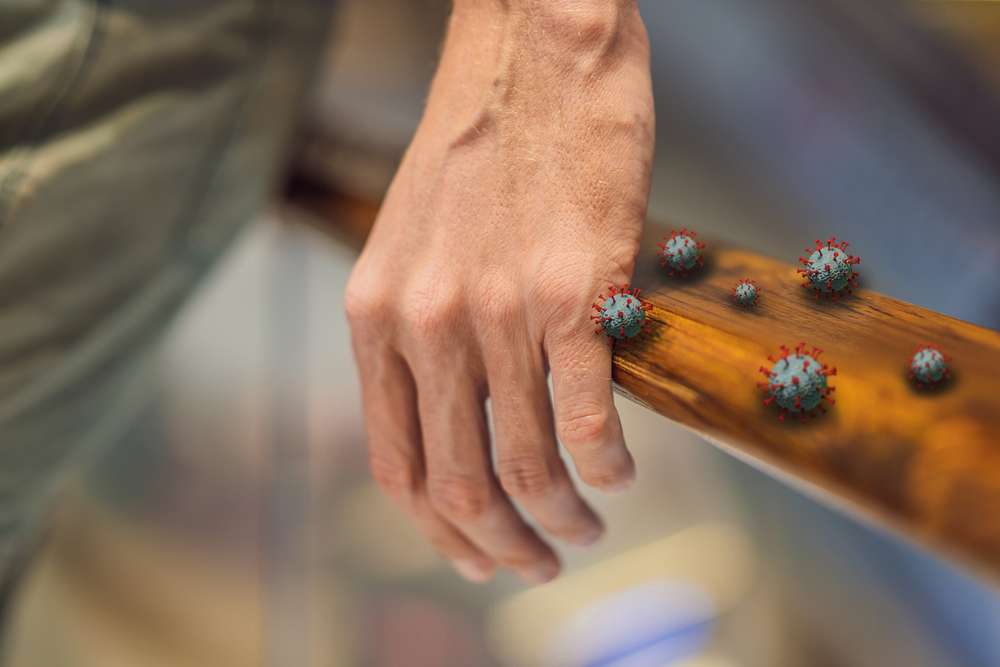
For many school business managers, the quality of a cleaning contract is judged by a walkthrough. If the bins are empty and the floors are shiny, the job is deemed a success. However, from a public health perspective, this is a flawed assumption.
The Problem with Biofilms
Germs in schools often live in biofilms, thin invisible layers of bacteria that bond to surfaces. Traditional dusting or quick mopping does not remove these layers; it often just moves them around.
To truly break these films, cleaning standards must mandate the use of high quality microfibre technology and hospital grade disinfectants with the correct contact time. If your current cleaning contracts do not specify virucidal agents that meet British Standards such as BS EN 14476, you may be paying for an aesthetic service that provides very little actual protection against illness. To see the difference between surface tidiness and true hygiene, it is worth exploring how clean are schools really?
The High Touch Point Map: Where Germs Hide
To tackle the real challenge of classroom contamination, we must examine the areas that are frequently touched but rarely disinfected. These are the blind spots of many standard cleaning regimes.
The Top 5 Germ Hotspots in UK Schools
- Computer mice and keyboards: These are rarely wiped down due to concerns about damaging electrical equipment, yet they are touched by dozens of hands daily.
- Door handles and push plates: These are the primary transition points for germs moving from the washroom to the classroom.
- Shared trays and art supplies: Items that are passed between children are rarely part of a daily disinfection routine.
- Soft furnishings and rugs: In primary settings, reading corners can become reservoirs for allergens and bacteria.
- PE equipment: Items like mats and balls are high contact but often fall outside the standard remit of cleaning staff.
For a comprehensive guide on managing these areas, read our analysis of the most overlooked germ hotspots in schools and how to fix them.
Allergens and the Invisible Impact on Learning
The challenge of classroom environments is not just about viruses; it is also about air quality and particulate matter. For the 1.1 million children in the UK currently receiving treatment for asthma, a poorly cleaned classroom is a direct threat to their education.
Dust Mites and VOCs
Traditional cleaning often kicks up dust into the breathing zone of pupils. If vacuum cleaners do not have high efficiency particulate air (HEPA) filters, they are simply recirculating allergens.
In addition, the smell of clean, often associated with heavy bleach or citrus scents, can actually be harmful. These scents are frequently caused by Volatile Organic Compounds (VOCs) which can trigger respiratory distress. A modern commercial cleaning strategy should prioritise sustainable cleaning, using products powerful enough to kill pathogens but gentle enough to ensure the air remains safe for pupils with SEND or respiratory conditions.
The Strategy: Moving from Reactive to Proactive
Most schools only think about deep cleaning when an outbreak has already occurred. By this point, the damage to attendance and staff wellbeing is already done. Much of this disruption is preventable through a proactive approach, and the investment in professional cleaning services is considerably lower than the cost of managing repeated absences.
The Role of Cleaning Staff Training
Cleaning in a school environment is a technical role that requires specific knowledge. Without proper training, operatives may not understand the difference between a detergent, which removes dirt, and a disinfectant, which kills germs.
Best Practice Procurement Criteria
When reviewing or procuring a school cleaning contract, look for the following:
- ATP testing: Demand that your contractor uses Adenosine Triphosphate (ATP) monitoring. This provides a digital reading of the biological matter on a surface, giving you measurable evidence of cleanliness that a visual inspection cannot.
- Colour coding: Ensure a strict colour coded system is in place to prevent cloths used in toilets from entering the canteen or classroom.
- Audit transparency: You should have access to a real-time portal showing when areas were cleaned and the results of the latest hygiene audits.
Does Cleanliness Affect Your Reputation?
Absolutely. In an era of school choice and parental reviews, the physical state of a school matters. However, the connection goes deeper than first impressions. A school free from persistent illness, with clean air and well-maintained spaces, is a more productive and reassuring environment for everyone.
While Ofsted does not award a cleaning grade, inspectors do consider how leadership manages the school environment to promote pupil welfare. A proactive approach to hygiene reflects well on governance and operational standards. For more on this, see can school cleanliness improve your Ofsted rating?
Breaking the Chain of Infection
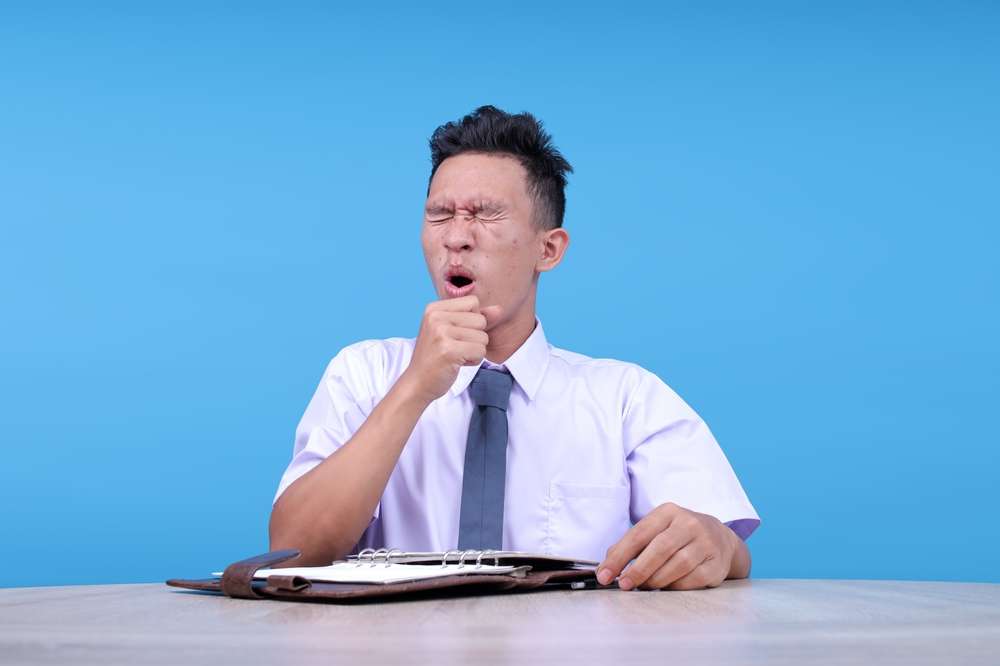
To address classroom contamination effectively, schools should adopt a chain of infection mindset built on three pillars:
- Professional daily cleaning: Consistent, high standard work that focuses on high touch points throughout the school.
- Regular deep cleans: Scheduled deep cleaning during half-terms to reach the areas that daily cleaning cannot.
- Pupil and staff education: Encouraging hand hygiene and catch it, bin it, kill it protocols to reduce the introduction of new pathogens.
By implementing these three pillars, you can move your school from a position of ongoing vulnerability to one of confidence and control. To learn more about practical next steps, read our guide on how to prevent the spread of germs in schools.
Investing in the Invisible
The cost of classroom contamination is, in most cases, entirely avoidable. The cost of a high quality cleaning contract is almost always lower than the cost of high absenteeism, supply teacher fees, and the long-term impact of a poorly maintained estate.
At Sentrex, we do not simply clean schools; we help manage their biological health. Our methods are data driven, our products are sustainable, and our staff are trained to rigorous professional standards. You can learn more about us and see how we partner with schools to create safer, healthier learning environments. Our accreditations reflect our commitment to taking pupil safety as seriously as you do.
If you would like to understand the true hygiene standard of your classrooms, contact us today for a professional hygiene audit and take the first step towards a cleaner, healthier school environment.


