
In the complex ecosystem of a school, the quality of maintenance has to go beyond simple aesthetics. While a tidy classroom is conducive to learning, it is the invisible standard of hygiene that dictates the physical wellbeing of the school’s students and teachers alike.
Children are naturally more susceptible to infections and environmental irritants than adults, owing to their developing immune systems and their tendency to engage in close-contact play.
As school budgets face increasing pressure, facilities managers and headteachers must view school cleaning not as a peripheral expense, but as a fundamental pillar of safeguarding. When we address the hygiene gaps in our educational settings, we aren’t just polishing floors; we are actively preventing illness, protecting vulnerable pupils, and ensuring that the school remains a safe haven for growth.
Below, we at Sentrex will explore and share the five critical ways that enhanced cleaning protocols directly protect children’s health.
1. Drastic reduction in viral and bacterial transmission
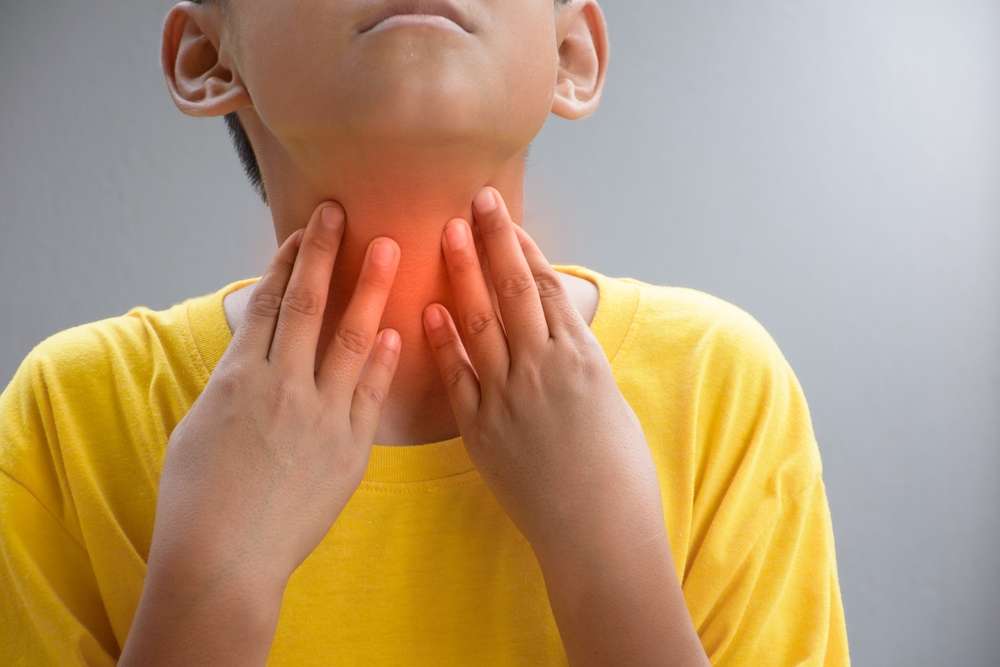
Schools are high-traffic environments where hundreds of individuals share enclosed spaces for hours at a time. This creates a “multiplying effect” for pathogens. Common illnesses can sweep through a year group in days if surface hygiene is compromised.
Better cleaning focuses on breaking the chain of infection. This is achieved through targeted classroom sanitisation of high-touch points—areas that are frequently handled but often overlooked during a superficial sweep. By implementing a rigorous schedule that prioritises these zones, schools can significantly lower the “viral load” present in the building.
Targeting the high-touch hotspots
To be effective, cleaning must be strategic. Professional cleaners often refer to the “frequently touched” list, which includes:
- Door handles and push plates.
- Computer keyboards and tablets.
- Shared stationery and plastic play equipment.
- Banisters and cloakroom pegs.
Understanding the most overlooked germ hotspots in schools and how to fix them allows site managers to allocate resources where they will have the greatest impact on pupil health.
2. Improved indoor air quality and respiratory health
Indoor air quality (IAQ) is a critical health factor that is often neglected. In the UK, around 1.1 million children are receiving treatment for asthma. Dust mites, mould spores, and volatile organic compounds (VOCs) from harsh cleaning chemicals can act as potent triggers for respiratory distress.
Better cleaning protects health by managing the “dust reservoir.” Carpets, soft furnishings, and even high-level shelving act as traps for allergens. When these surfaces are disturbed, allergens become airborne, leading to increased inhaler use and, in the most severe cases, hospitalisation.
The role of HEPA filtration and specialist equipment
Using industrial-grade hoovers with HEPA (High-Efficiency Particulate Air) filters ensures that dust is captured and removed, rather than simply redistributed into the air.
Furthermore, the shift towards eco-friendly cleaning products reduces the presence of irritating fumes, making the air safer for children with sensitive respiratory systems. This is a key component of commercial cleaning standards that prioritise occupant health over mere visual cleanliness.
3. Mitigation of gastrointestinal outbreaks
Gastrointestinal infections are a leading cause of school closures and significant pupil absenteeism. These infections are often spread via the “faecal oral” route, frequently occurring in communal bathrooms or dining halls.
Enhanced cleaning in these areas requires more than a quick wipe with a multipurpose spray. It demands “infection control” level protocols, using the correct contact times for disinfectants to ensure that hardy viruses like Norovirus are actually neutralised.
Why schools need regular deep cleaning
Standard daily cleaning is vital, but it cannot reach every crevice where bacteria can colonise. Periodic intensive cleans are necessary to sanitise areas like the underside of dining tables, the hinges of toilet cubicles, and the seals around communal sinks.
Investigating why schools need regular deep cleaning reveals how these sessions act as a “circuit breaker” for persistent pathogens that survive daily routines.
4. Protection for vulnerable and SEN pupils
For children in Special Educational Needs (SEN) settings or those who are immunocompromised, a clean environment is not just a preference—it is a medical necessity.
Pupils with sensory processing disorders may also be particularly sensitive to the textures of dirty surfaces or the strong smells of traditional industrial bleach.
Better cleaning protects these children by providing a consistent, low-allergen, and non-toxic environment. This requires cleaning staff training that goes beyond “how to mop” and delves into “why we use specific chemicals.” Staff who understand the vulnerabilities of the children in their care are more likely to be diligent in their duties.
Inclusion through hygiene
When a school is hygienically maintained, it becomes more inclusive. Parents of medically fragile children feel more confident sending their children to school, knowing that the risk of hospitalisation from a preventable school-acquired infection is being managed professionally. You can learn more about us and our commitment to inclusive, high-standard cleaning environments.
5. Reduced pupil absenteeism and mental wellbeing
There is a direct, measurable link between hygiene and attendance figures. When children are healthy, they are in class. Reduced absenteeism is perhaps the most significant non-clinical benefit of better cleaning.
However, the health benefits also extend to mental wellbeing. A clean, bright, and fresh-smelling school creates a sense of order and safety. Conversely, a school that feels “grimy” can increase stress levels in both pupils and staff. By managing how to prevent the spread of germs in schools, leaders create an environment where the focus can remain on pedagogy rather than illness.
The Ofsted Connection
While Ofsted primarily focuses on educational outcomes, the “Behaviour and Attitudes” and “Personal Development” categories often touch upon the school environment. A clean, well-managed site reflects a culture of care and high expectations.
School leaders often ask can school cleanliness improve your Ofsted rating? and the answer lies in how a healthy environment facilitates better attendance and a more positive school climate.
Practical steps for school leaders
Improving cleaning standards does not always require a massive increase in budget; it often requires a more intelligent application of existing resources. Here is a “Quick Win” checklist for improving school health through hygiene:
- Review your cleaning schedule: Does it prioritise high-touch surfaces during the day, or is everything left until the evening?
- Audit Your chemicals: Switch to low-VOC, eco-friendly products where possible to protect indoor air quality.
- Invest in staff training: Ensure that your team understands the difference between cleaning (removing dirt) and disinfecting (killing germs).
- Address overlooked areas: Use your knowledge of the dirtiest spots in schools that cleaners know about to guide your team’s focus.
- Collaborate with teachers: Remind teaching staff about the 7 germ hotspots in classrooms teachers forget about, such as shared pencil sharpeners or the rims of water bottle storage trays.
Choosing a professional partner in health – Sentrex
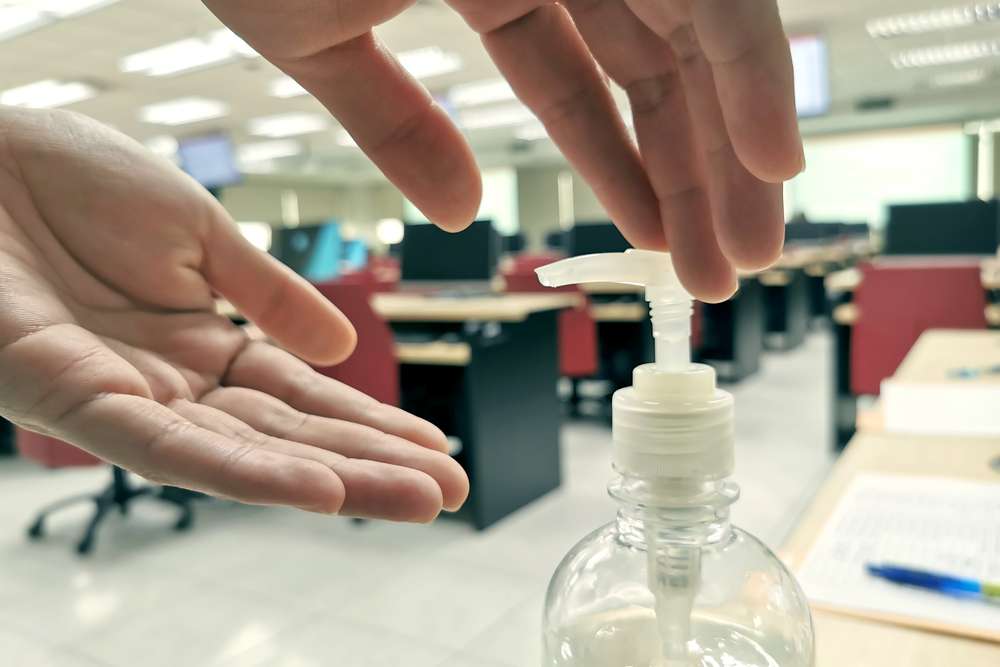
For many schools, managing an in-house team alongside ever-changing health and safety regulations is a daunting task. Outsourcing to a professional service ensures that you are benefiting from the latest in infection control technology and accredited processes.
When evaluating a provider, look for our accreditations, which should include ISO standards and industry-recognised health and safety certifications. This provides peace of mind that the individuals entering your building are not only DBS-checked but are also experts in protecting the health of your pupils.
Conclusion
The health of our children is the foundation upon which their education is built. By elevating the standards of school cleaning, we are doing much more than maintaining a building; we are providing an essential layer of public health protection. From reducing the spread of debilitating winter bugs to ensuring that air quality does not hinder a child’s ability to breathe and learn, the impact of professional hygiene is profound.
Understanding how clean schools are really is the first step toward improvement. By identifying the gaps and filling them with science-backed cleaning routines, we can ensure that every child has the opportunity to thrive in a truly healthy environment.
Would you like a professional assessment of your school’s current hygiene standards? At Sentrex, we specialise in creating bespoke school cleaning programmes that prioritise pupil health and compliance. Contact us today to speak with an educational cleaning expert or to book a site audit.


