
Ensure your leisure centre meets UK hygiene and safety standards to protect users and stay compliant with the following useful tips from Sentrex.
Why Hygiene and Safety Standards Matter in Leisure Facilities
Hygiene and safety standards are essential in leisure facilities because they directly impact the health, well-being, and confidence of everyone who uses the space. These environments are shared by people of all ages, often in minimal clothing, and are exposed to sweat, water, and bodily contact, creating perfect conditions for bacteria, viruses, and fungi to spread. Without high hygiene standards, users face risks of infections like athlete’s foot, verrucas, or more serious illnesses, especially in damp areas like changing rooms or the areas around pools.
Equally, safety standards – particularly around floor maintenance – are crucial to preventing slips, trips, and falls. Wet or contaminated flooring can become dangerously slippery, leading to accidents that cause injury and liability issues for the facility.
Safety failures not only threaten individuals’ well-being but also damage trust in the facility, possibly resulting in lost memberships or legal claims. Consistent adherence to health and safety regulations, including proper cleaning protocols and risk assessments, ensures that these environments remain safe, accessible, and welcoming.
Good hygiene and safety practices also support operational continuity. Regular cleaning, maintenance, and monitoring help identify issues early, preventing costly repairs or forced closures due to non-compliance. They show a commitment to quality, care, and professionalism.
In essence, hygiene and safety are not optional extras – they are foundational to a leisure centre’s success. When people feel confident that the space is clean and safe, they are more likely to return, engage fully in activities, and recommend the facility to others.
How to Know if Your Gym is Health and Safety Compliant
You can tell if your gym is health and safety compliant by reviewing its risk assessments, cleaning logs, and staff training records. A compliant gym will have clear procedures for cleaning, especially high-touch areas, and use signage to warn of hazards like wet floors.
Compliance with standards set by HSE, UK Active, and PWTAG shows a commitment to user safety. If audits are passed and users feel confident in the cleanliness and safety of the environment, it’s a strong sign that your gym meets required regulations.
As a visitor, you can tell if the gym is health and safety compliant by checking for visible cleaning routines, available sanitising stations, clear safety signage, and whether staff are actively monitoring hygiene and maintenance.
Key UK Guidelines for Cleanliness and Compliance
Adhering to key UK guidelines for cleanliness and compliance is essential for any leisure centre aiming to meet legal obligations and protect public health. The UK hygiene standards for leisure centres are shaped by several authoritative bodies, including:
Each provides essential guidance on managing hygiene, water quality, and accident prevention.
Under UK leisure centre cleaning requirements in 2025, operators must implement a structured cleaning programme tailored to different zones such as pools, gyms, changing rooms, and communal areas. This includes using appropriate cleaning agents, ensuring regular disinfection, and keeping surfaces dry and free from residues that might reduce floor traction. Records of cleaning schedules and risk assessments must be kept up to date and available for inspection to demonstrate compliance.
The HSE’s guidance highlights the need for thorough risk management processes, including slip hazard identification and control measures. This ties directly to hygiene practices – moisture, spills, and grime are all factors that increase slip risks. The use of proper matting, drainage, and non-slip surfaces is encouraged, alongside consistent staff training in cleaning and emergency response procedures.
UK Active promotes industry-wide best practice, especially around operational hygiene and the user experience. Their standards encourage proactive cleaning, high-frequency touchpoint disinfection, and ensuring users feel confident in the centre’s cleanliness.
PWTAG specifically outlines standards for maintaining clean and safe pool water, filtration, and surrounding area hygiene. Following PWTAG’s guidelines ensures effective chlorine levels and minimises the risk of waterborne infections.
Complying with these standards not only meets legal expectations but also builds user trust and enhances reputation. Cleanliness is a core aspect of public safety and operational excellence in leisure centres.
Are You Meeting These Core Requirements?
To ensure your leisure centre complies with UK hygiene standards for leisure centres, it’s vital to regularly assess whether core areas meet the expected levels of cleanliness and safety.
Changing rooms must be cleaned frequently with antibacterial products to prevent the spread of fungi and bacteria. Moisture buildup, especially in corners or under benches, should be tackled with proper ventilation and daily deep cleaning routines.
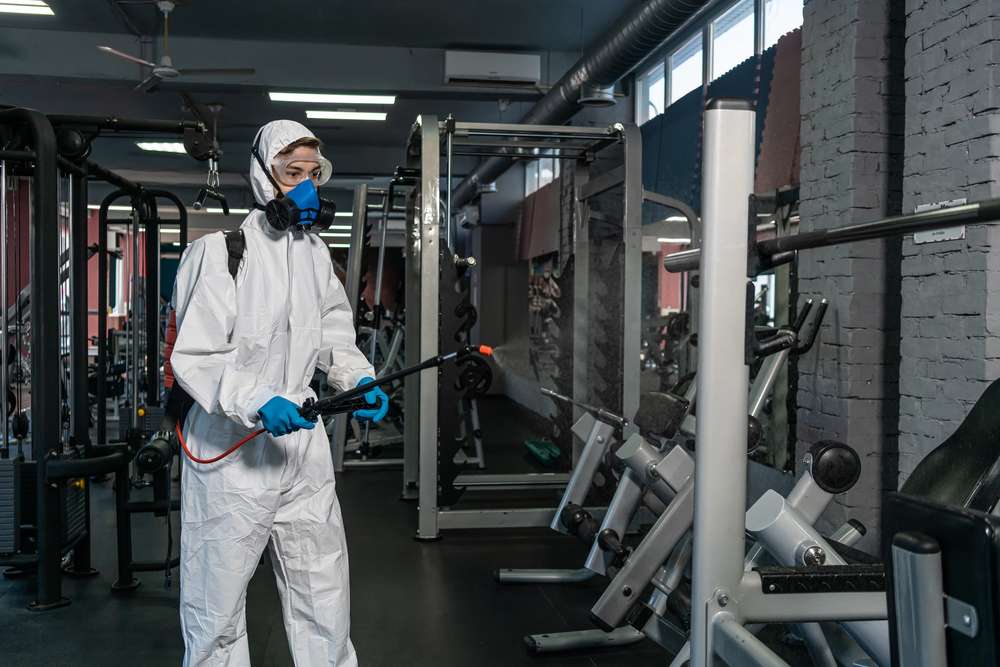
Gym equipment needs constant attention. Handles, seats, and mats should be disinfected multiple times a day, particularly during busy periods. Wipes and hand sanitiser should be easily accessible to users, with staff trained to spot and respond to hygiene lapses promptly.
Poolside areas require strict adherence to PWTAG standards, ensuring water quality, drainage, and floor cleanliness are maintained at all times. Non-slip flooring must be regularly inspected and cleaned with the right products to avoid residue build-up that could reduce grip.
If any of these areas are overlooked or inconsistently maintained, your centre may be falling short of UK leisure centre cleaning requirements 2025 – putting users at risk and compromising compliance.
Common Hygiene Failures in Gyms and Pools
Maintaining high hygiene standards in gyms and pools is essential to protect users from infection and injury. However, some common hygiene failures still occur in many leisure centres due to poor practices or a lack of awareness.
Common hygiene failures include:
- Infrequent disinfection of equipment
- Ineffective or irregular floor cleaning
- Poor ventilation in changing areas
- Inadequate poolside drainage
- Lack of user hygiene awareness
- Insufficient staff training
- Overlooked high-touch points
In gyms, one of the most common issues is the failure to disinfect equipment regularly. Users often sweat onto machines, mats, and free weights, which can harbour bacteria if not cleaned frequently. Cleaning schedules that rely solely on end-of-day routines and a lack of availability of alcohol wipes for users to disinfect the equipment themselves are inadequate for busy centres.
Floor cleaning is another critical issue. Whether in a weight room or near the pool, floors that are cleaned infrequently or with unsuitable products can become slippery, worn and unsanitary. This is especially dangerous in wet zones where falls are more likely.
Changing areas often suffer from poor ventilation, allowing moisture and bacteria to build up. Without proper air circulation and regular sanitisation, these spaces can become breeding grounds for fungi and odour.
On the poolside, inadequate drainage systems can leave standing water, increasing slip risks and creating conditions for bacterial growth. Combined with insufficient cleaning, this can lead to serious hygiene issues.
User awareness is often lacking too. If members are not reminded to wipe down equipment or shower before entering pools, even the best cleaning routines may fall short. Staff training also plays a crucial role; without it, hygiene protocols may not be followed correctly.
Finally, high-touch points such as door handles, lockers, and handrails are frequently missed during cleaning. These should be prioritised during peak times to prevent the spread of germs throughout the facility.
Consequences of Poor Hygiene in Gyms and Swimming Pools
Poor hygiene in gyms and swimming pools can lead to serious health risks, including skin infections, respiratory issues, and the spread of viruses and bacteria. Non-compliance with UK hygiene standards for leisure centres can also result in legal action, fines, or forced closures. Reputational damage may follow, reducing user trust and membership retention.
Regular inspections and audits assess cleanliness, record-keeping, and safety practices, and failing these can trigger formal warnings or investigation by authorities such as HSE or local councils.
To pass audits, centres must maintain detailed cleaning logs, use approved disinfectants, and follow UK leisure centre cleaning requirements 2025. Staff must be trained in hygiene protocols and understand the importance of high-frequency touchpoint cleaning, proper waste disposal, and visible user guidance. Implementing a tailored, site-specific cleaning plan demonstrates a proactive approach to compliance and helps avoid the costly consequences of poor hygiene management.
Get a Hygiene Assessment from Sentrex Today
Sentrex provides expert cleaning solutions for safe, hygienic facilities. Not sure if your leisure facility meets UK standards? Contact Sentrex for a professional audit and bespoke cleaning solutions to keep your space safe, clean, and compliant.


