Trafford Park spans 1,200 acres housing over 1,400 businesses. Manchester Airport City coordinates international freight. Wythenshawe fulfilment centres despatch thousands of orders daily. Manchester’s warehouse sector operates at unmatched UK scale, demanding cleaning that functions as operational infrastructure. Sentrex delivers warehouse cleaning that keeps Manchester’s logistics moving.


Manchester warehouses operate differently from any other commercial environment. A 100,000 square foot distribution centre processing 10,000 pallets weekly creates contamination that office cleaning cannot handle. Dust settles on racking reaching 15 metres high. Fork lifts generate floor debris throughout shifts. Loading docks connecting to the M60, M62, and M56 introduce external contamination with every delivery.
Why warehouses are so dusty explains contamination sources many managers underestimate. Cardboard releases particles. Pallet movements redistribute dust throughout facilities. Without industrial-grade cleaning, contamination compounds creating operational problems.
The question isn’t whether warehouses need cleaning but whether current arrangements actually work. Facilities around Cheetham Hill, Middleton, and Prestwich often discover cleaning fails only when problems surface: customer complaints, audit failures, or accidents. Reactive responses cost more than systematic prevention.
The most common mistake involves treating industrial facilities like enlarged offices. Standard contracts specify vacuuming and mopping appropriate for carpeted offices. Warehouses need industrial floor scrubbers, high-reach systems, and specialist equipment handling volumes that would destroy domestic machinery.
Understanding costly cleaning mistakes starts with recognising false economies. A £500 monthly saving using inadequate contractors creates £5,000 problems when audits fail or inventory becomes contaminated.
Some facilities attempt cleaning using operations staff during quiet periods. Fork lift drivers lack industrial cleaning training. Warehouse operatives work without appropriate equipment. Cleaning conducted sporadically creates compliance gaps whilst exhausting personnel.
The balance between deep cleaning and daily maintenance confuses many managers. Daily operations maintain baseline cleanliness. Periodic intensive cleaning addresses accumulation behind racking, on high-level steelwork, within dock recesses. Both prove necessary.
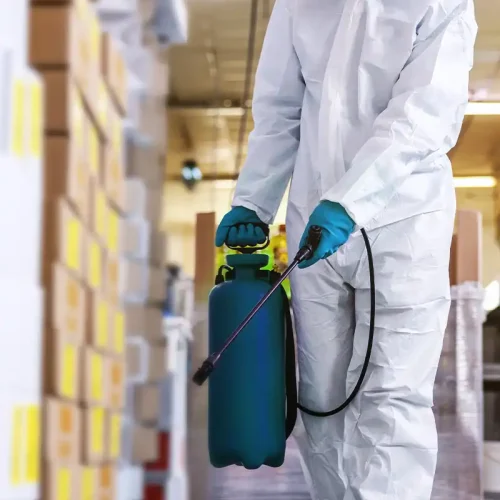
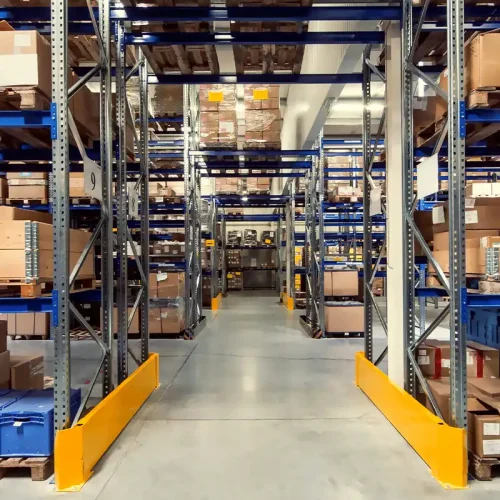
Trafford Park’s position as Europe’s largest industrial estate creates unique demands. Food production warehouses require BRC-compliant hygiene. Automotive logistics demand contamination-free environments. E-commerce operations need presentation standards satisfying consumers.
Manchester Airport City coordinates international freight requiring customs-compliant cleanliness. Temperature-controlled pharmaceutical warehouses maintain validated environments where cleaning undergoes regulatory scrutiny.
Ancoats demonstrates Manchester’s industrial evolution. Converted cotton mills near Cutting Room Square now house creative businesses and food distributors. Victorian structures create specific challenges: period construction complicates access, mixed uses demand flexible scheduling.
Salford and Trafford warehouses along the Manchester Ship Canal serve manufacturing. Metal fabrication and precision engineering generate contamination requiring specialist knowledge. Metal particles, oils, and industrial dusts demand cleaning understanding material properties and disposal methods.
Stockport and Bredbury facilities near the M67 serve South Manchester markets. These warehouses often operate without dedicated facilities management. Professional cleaning must work simply, communicate clearly, and deliver reliably.
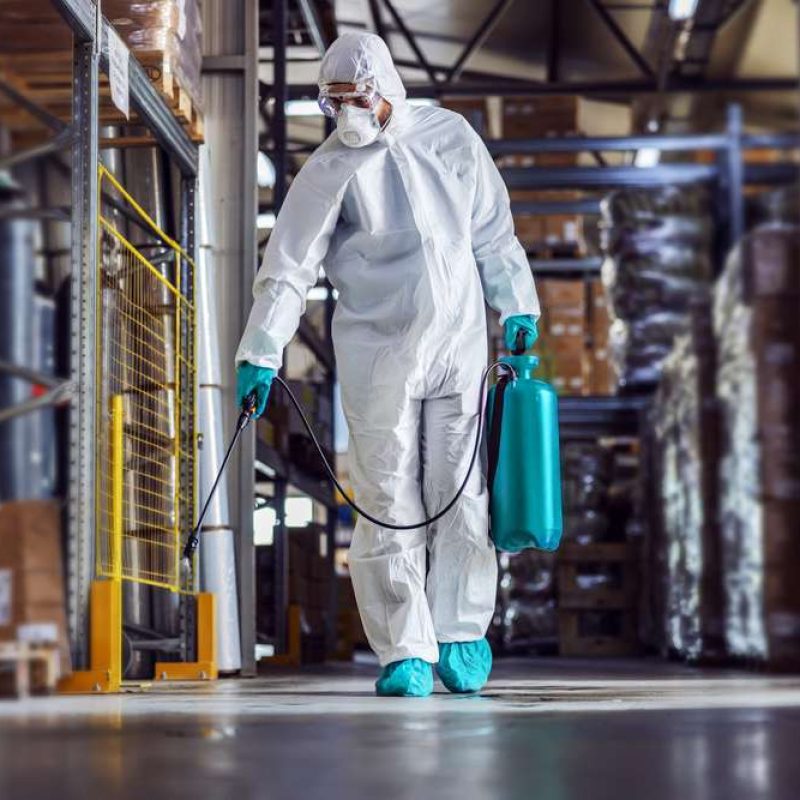
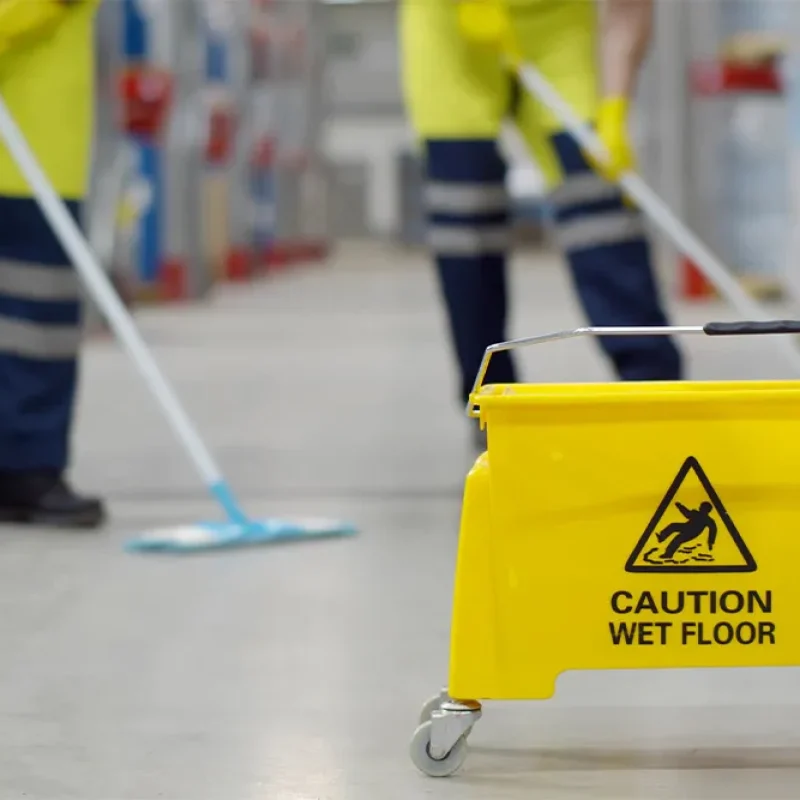

Equipment matters enormously at warehouse scale. Industrial ride-on scrubbers clean acres efficiently. High-reach vacuum systems address elevated contamination without dismantling operations. Robotic floor machines increasingly support operations through autonomous cleaning during working hours, navigating around fork lifts whilst cleaning continuously.
Scheduling flexibility proves essential. Trafford Park distribution centres operate continuously; cleaning occurs during night shifts. Wythenshawe e-commerce facilities experience peak periods during which cleaning must pause. Food warehouses throughout Cheetham Hill require cleaning coordinated with production schedules satisfying hygiene regulations.
Training prepares teams for warehouse environments. Staff learn fork lift awareness maintaining safety around moving equipment. They understand racking configurations avoiding structural risks. Loading dock protocols prevent accidents. Fire safety training addresses combustible dust risks.
Food distribution warehouses require hygiene standards satisfying HSE workplace standards and BRC audits. Cleaning coordinates with pest control. Chemical selection ensures food-safe products. Understanding industry regulations and whether your facility is up to standard protects from audit failures.
Pharmaceutical warehouses maintain validated environments where cleaning becomes part of quality systems. Procedures require written approval. Staff receive GMP training. Documentation proves compliance supporting regulatory inspections.
E-commerce fulfilment centres around Airport City process consumer orders where product presentation matters. Returns processing introduces contamination requiring enhanced cleaning. Packaging areas demand dust control preventing particle contamination.
Automotive component distribution throughout Ashton-under-Lyne and Middleton protects precision parts from contamination. Metal particles require segregation. OEM audits scrutinise cleanliness as quality indicator.
Warehouse cleaning regulations address fire safety, workplace health, and environmental protection. Combustible dust regulations require regular removal. Slip resistance standards mandate clean floors. Insurance policies often specify cleaning frequencies and documentation.
Audit preparation involves more than pre-visit intensive cleaning. Systematic records prove ongoing compliance. Photographic evidence documents conditions. Professional warehouse cleaning provides documentation supporting audit processes.
Our accreditations including CHAS, Safe Contractor, ISO 9001, and ISO 14001 confirm systematic approaches appropriate to industrial cleaning environments satisfying procurement requirements.
Effective warehouse cleaning requires understanding logistics operations. Communication coordinates with shift patterns, delivery schedules, and seasonal variations. Flexibility accommodates peak periods. Responsiveness addresses urgent requirements.
Our approach emphasises partnership rather than transactional service. Manchester warehouse clients receive consistent account management understanding their operations. Monthly audits verify standards through documented inspection. Our commercial cleaning capabilities integrate warehouse services with office areas and welfare facilities.
Manchester warehouse operations seeking reliable, compliant cleaning should evaluate current arrangements. Does cleaning address industrial challenges? Do contractors possess appropriate equipment? Does documentation satisfy audits?
Contact us to discuss warehouse requirements. Call 0333 240 1145 or message through our website. Our team understands Manchester’s logistics sector and delivers warehouse cleaning supporting operational continuity.
We’re ready to demonstrate how systematic warehouse cleaning supports compliance, safety, and business continuity across Manchester’s diverse warehouse landscape.
