
It is absolutely critical that GP surgeries are on top of cleaning. Due to the influx of visitors, there is a large likelihood of cross-contamination if strict cleaning compliance isn’t followed. This then runs the risk of spreading infections into the local community. However, this can be avoided entirely.
In this blog, we will discuss how to prevent the spread of germs in a GP surgery
Sentrex Services stands as a leading provider of comprehensive cleaning and hygiene solutions, serving a vast region from the Northwest to the Southeast of England. With a dedicated team of over 600 professionals, we deliver bespoke cleaning services tailored to the unique needs of each commercial client.
Are there any germ hotspots in a GP surgery?
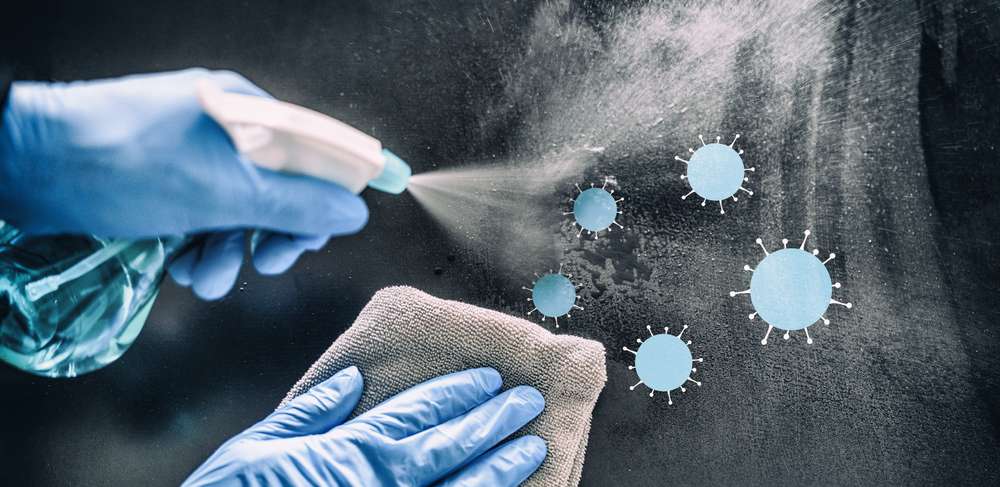
Yes, the following areas are considered high-risk because they are frequently touched by many different people, making them prime locations for the spread of germs:
- Waiting room: This is a high-risk area due to a constant flow of people. Key hotspots include door handles, chair armrests, reception counters, and children’s toys.
- Consultation and treatment rooms: These areas involve close patient contact. The most critical hotspots are examination couches, reusable medical equipment (like stethoscopes and blood pressure cuffs), and computer keyboards and mice used by staff.
- Toilets and washrooms: These are obvious sources of bacteria. The main germ hotspots are toilet flush handles, taps, soap dispensers, and waste bin lids.
Is it possible to prevent the spread of germs in a GP surgery?
Yes, to an extent. By their very nature, it is impossible to prevent the spread of germs if there are no cleaning operations in place. This is why daily meticulous cleaning tasks are required.
While it’s impossible to eliminate all germs, a well-implemented infection prevention and control (IPC) strategy can significantly reduce their transmission.
The strategy for preventing germ spread is multi-faceted, involving a combination of strict protocols, staff training, and environmental controls. Here are the methods GP surgeries can employ:
1. Hand hygiene
This is the single most important measure for preventing the spread of infection. Germs are most commonly transmitted via hands.
- Hand sanitiser and washing facilities: Alcohol-based hand sanitiser dispensers must be readily available throughout the surgery—in every consultation room, at the reception desk, and in waiting areas. Sinks with soap and water are also essential for situations where hands are visibly soiled.
- The “5 moments for hand hygiene”: Staff are trained to clean their hands at five key moments:
- Before touching a patient.
- Before a clean/aseptic procedure.
- After a body fluid exposure risk.
- After touching a patient.
- After touching a patient’s surroundings.
2. Environmental cleaning and disinfection
Maintaining a clean physical environment is crucial, as germs can survive on surfaces for extended periods. Whilst briefer cleaning routines can take place during operational hours, deeper cleans are better to do after operating hours. For best results, consulting and collaborating with a professional cleaning service is a great option.
Below is what the surgery should be implementing during their daytime cleaning:
- Routine cleaning: A strict cleaning schedule based on the “Functional Risk” of each area is followed. High-traffic and clinical areas are cleaned frequently, often with an intensive clean performed overnight.
- High-touch surface disinfection: Throughout the day, staff or a dedicated day cleaner disinfects “touchpoints” like door handles, light switches, payment terminals, and reception counters to prevent cross-contamination.
- Colour-coding: A non-negotiable legal requirement is the use of a colour-coded system for cleaning equipment to prevent germs from being spread from one area to another (e.g., using a red cloth only for toilets).
3. Use of PPE
PPE acts as a barrier between staff and germs, protecting both the wearer and the patient. Although visitors aren’t compelled to wear PPE, staff must wear the following when faced with specific situations:
- Gloves: Used for any task involving contact with bodily fluids, non-intact skin, or contaminated items.
- Aprons and gowns: Worn during procedures where there is a risk of splashes or contact with bodily fluids.
- Masks and eye protection: Used during procedures that may generate splashes or aerosols to protect the mouth, nose, and eyes.
4. Patient and staff education
A key part of prevention is ensuring everyone understands the risks and the protocols.
- Respiratory hygiene: Signage and posters encourage patients to cover their mouth and nose when coughing or sneezing, and to use the provided tissues and bins. Hand hygiene is also promoted for all visitors.
- Staff training: All staff must receive regular and up-to-date training on infection prevention and control (IPC) protocols. They must be aware of their specific responsibilities in maintaining a safe and clean environment.
- General hygiene reminders: Although it may seem obvious, some individuals are either unaware of or choose not to follow basic hygiene practices. For example, washing hands after using the bathroom. To address these issues, placing clear signage in the bathroom can help encourage better habits.
5. Facility design and management
How a surgery is designed and managed can also help prevent germ spread.
- Clear pathways and segregation: Clinical and non-clinical areas are separated to minimise traffic and the potential for contamination. Some surgeries have separate waiting areas for patients with infectious symptoms.
- Ventilation: Good ventilation systems help to circulate and filter air, reducing the concentration of airborne pathogens.
- Waste management: A strict system for segregating, storing, and disposing of clinical and non-clinical waste is in place to prevent the spread of germs from contaminated materials.
Can visitors help to prevent the spread of germs?
Yes. Although self-cleaning and responsibility for germ spreading is now very much an individual choice, visitors can easily help to prevent the spread of germs in the following ways when visiting a GP surgery:
- Sanitising hands upon entering the surgery, and after using doors etc.
- Washing hands after using the bathroom.
- Wearing a mask if you are ill.
- Maintaining a distance from other individuals if possible (especially if you know you are unwell).
- Wear clothes that cover your body. This helps to mitigate bodily fluids such as sweat from ending up on surfaces or furniture.
Medical facility cleaning services for GP surgeries

Sentrex Services stands as a leading provider of comprehensive cleaning and hygiene solutions, serving a vast region from the Northwest to the Southeast of England. With a dedicated team of over 600 professionals, we deliver bespoke cleaning services tailored to the unique needs of each commercial client.
At Sentrex, we prioritise commercial, industrial, and specialist cleaning services. Our services aren’t just a standard once-over, we ensure a comprehensive and individually tailored approach perfect for any site.
Here is a list of the services we provide:
- Chemical degreasing
- Steam cleaning
- Pressure washing
- Power-scrubbing
- Auto-scrubbing
- Stain and spill removal
- Debris and dust removal
- Power-scraping
- Sanding, and shot-blasting
- Vacuuming
- High-speed burnishing
- Spray buffing, waxing, and stripping
- Low moisture bonnet cleaning
- Deep extraction
- Commercial carpet cleaning
- Trash clean up
- Window cleaning
- Exterior cleaning
- Cleaning of washrooms
- Deep cleaning
In this blog, we’ve hoped to have helped you understand how to prevent the spread of germs in a GP surgery. Whilst also providing supplementary information about the benefits of our professional services.
Our commitment to fair pricing, environmental sustainability, and personalised service sets us apart. We prioritise quality through rigorous control measures, including monthly audits with advanced software, real-time management via iPads, and an automated time and attendance system.
As members of esteemed trade bodies, we adhere to the highest industry standards. Beyond core cleaning, we offer a full suite of soft and hard FM services, ensuring comprehensive building maintenance. Want to know if our services apply to your business or site? Don’t hesitate to get in touch with us to secure a superior clean.


