
Many property owners or bereaved families initially wonder whether a standard domestic or commercial cleaning crew can handle trauma cleaning. The reality is far more complex than surface disinfection or basic tidying.
Specialist remediation is not just about aesthetics. It is a critical matter of public health, legal compliance, and psychological recovery.
Trauma Cleaning Explained
Trauma cleaning is a specialist discipline called upon when situations are either too dangerous due to biohazard potential, or too emotionally distressing for untrained individuals to manage safely. These include:
- Unattended deaths: When a person passes away and remains undiscovered for several days or weeks, the biological decomposition process creates severe health hazards and structural damage.
- Crime scenes: After police investigations conclude, properties may be left with forensic chemicals alongside biological evidence.
- Biohazard spills: Accidents involving significant blood loss or the release of hazardous biological materials in a workplace or public space.
- Hoarding and gross filth: Properties that have become deeply unsanitary due to the accumulation of waste, animal remains, or organic matter.
- Industrial accidents: Severe workplace injuries requiring the area to be decontaminated in line with health and safety regulations.
Understanding the Scope of Specialised Cleaning Services
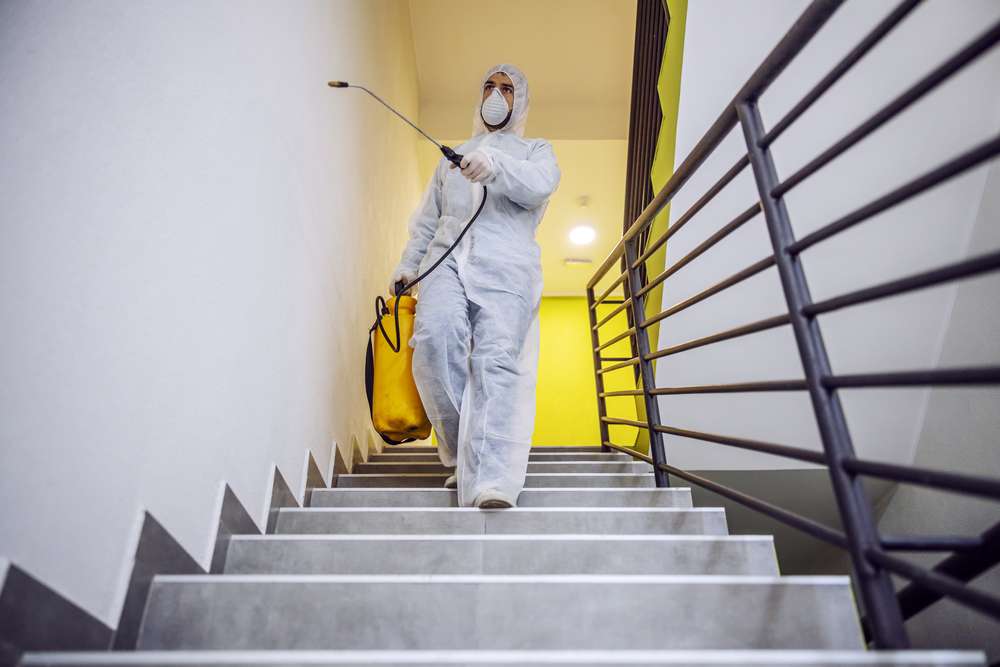
At first glance, a room may appear clean after a standard surface clean. In the context of a trauma scene, however, what the eye cannot see is often the most dangerous.
Specialist cleaning involves the decontamination of environments impacted by biological materials, chemical residues, or extreme neglect.
The Biological Risk Factor
Standard cleaning products are designed to remove dust, dirt, and common household bacteria. They are rarely formulated to neutralise the resilient pathogens found in blood or decomposing organic matter.
Without professional antimicrobial treatments, pathogens like Hepatitis B, Hepatitis C, HIV, and MRSA can persist on surfaces and within porous materials for days or even weeks.
Beyond the Visible Surface
Liquid contaminants, particularly bodily fluids, behave differently from standard spills. They seep into floorboards, saturate the subfloor, and wick up into drywall through capillary action. A standard clean may address the surface, but the underlying biohazard remains, leading to structural damage and persistent hazardous odours. You can learn more about Sentrex and our approach to understand our commitment to thorough remediation.
The Legal and Regulatory Framework of Biohazard Cleanup
In the United Kingdom, the handling of biohazards is strictly governed by health and safety legislation. Failing to adhere to these standards does not just risk the health of occupants; it can also create significant legal liabilities for property owners and employers.
Health and Safety Executive (HSE) Compliance
The Health and Safety at Work etc. Act 1974 and the Control of Substances Hazardous to Health (COSHH) regulations govern how hazardous materials must be managed. Professional trauma cleaners are trained to operate within these frameworks, ensuring that all biological waste is identified, contained, and disposed of through the correct legal channels.
Sentrex’s Professional Accreditations
Trust matters when inviting a team into a sensitive environment. It is essential to verify that your chosen provider holds the necessary certifications to handle hazardous waste and work in demanding settings. Reviewing our accreditations provides confidence that the work is being carried out to the highest industry standards.
Specific Scenarios Requiring Professional Intervention
Trauma cleaning encompasses several distinct situations, each requiring a tailored approach to return the environment to a safe and habitable state.
1. Unattended Death Cleanup
When a person passes away and is not found for a number of days, the decomposition process begins. This releases gases and fluids that permeate the structure of a building. Standard cleaning cannot remove the deeply embedded odours or the biological hazards associated with this process.
Professional remediation involves fogging techniques and the removal of saturated materials to ensure the property is genuinely safe.
2. Crime Scene Cleanup
After police forensics have concluded, a property is often left with residues such as fingerprint powder, tear gas, or biological evidence. Crime scene cleanup requires meticulous attention to ensure that every chemical and biological trace is neutralised, allowing occupants to return without being constantly reminded of the event.
3. Blood and Bodily Fluid Remediation
Whether the result of an accident or an assault, blood cleanup must be thorough. Blood can carry bloodborne pathogens that remain infectious even after it has dried. Professionals use ATP (Adenosine Triphosphate) testing to verify that surfaces are biologically clean at a molecular level.
4. Hoarding Cleanup
Hoarding is a complex psychological condition, and the resulting environment often conceals biohazards such as animal waste, mould, and spoiled food. Hoarding cleanup requires a blend of thorough cleaning and genuine empathy. It is about more than removing items; it is about managing a sensitive situation with respect for the individual involved.
Psychological Impact and the Importance of Compassion
One of the most significant differences between a regular cleaner and a trauma specialist is the emotional intelligence the role demands. Dealing with the aftermath of a tragedy is deeply distressing for the property owner, and that reality shapes how our teams approach every job.
A professional trauma cleaner acts as a buffer between the client and the tragedy. By taking on the physical burden of the cleanup, they allow the family or business owner to focus on recovery and the practical steps that follow.
Our teams work with discretion as standard. Unmarked vehicles are available where requested, and our presence on site is managed carefully to avoid drawing unnecessary attention from neighbours or the media. The goal is to restore the property as quickly and quietly as possible, upholding the dignity of everyone involved.
The Trauma Cleaning Process
To give a clearer picture of the rigour involved, here is a simplified breakdown of the professional approach:
- Site assessment and risk management: Evaluating the extent of contamination and identifying any structural risks.
- Containment: Sealing off the affected area to prevent cross-contamination to other parts of the building.
- Biohazard removal: Carefully removing all visible biological matter and disposing of it as clinical waste.
- Deep decontamination: Using professional grade chemicals to neutralise pathogens on all surfaces.
- Odour neutralisation: Using ozone generators or hydroxyl units to break down odour molecules rather than masking them.
- Verification: Final testing to confirm the site meets health and safety requirements for re-habitation.
Why Professional Trauma Cleaning Matters
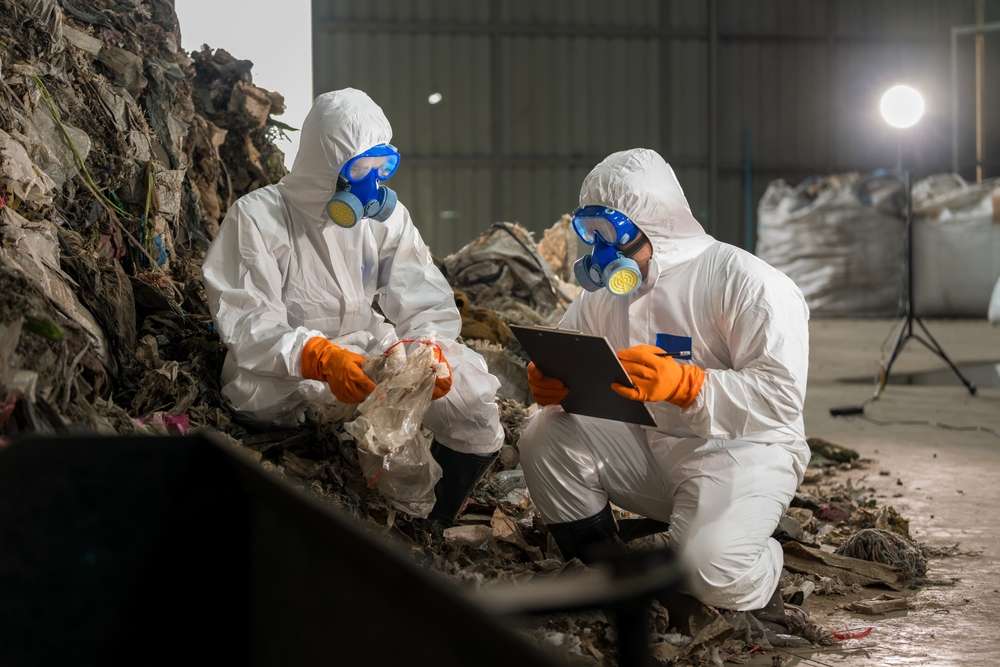
Attempting to clean a trauma scene without trained personnel, or asking an untrained employee to do so, can have lasting consequences.
- Property value: If a biohazard is not properly remediated, persistent odour and structural damage can significantly devalue a property.
- Health risks: Residual bacteria can lead to respiratory issues and infections for future occupants.
- Insurance requirements: Many providers require evidence of professional remediation before paying out on a claim related to property damage.
Choosing a dedicated service ensures the work is done correctly the first time. For more information, please contact us for a confidential consultation.
Restoring Safety and Dignity with Sentrex
The aftermath of a traumatic event is a time for recovery, not for navigating biohazard disposal and compliance requirements. Choosing a professional service ensures that the physical traces of a tragedy are handled with the technical precision and sensitivity they require.
At Sentrex, our role is to transform a site of distress into a clean, safe, and welcoming space. Contact us to discuss how we can help.


