
When we think about the aftermath of a traumatic event, attention naturally turns to the emotional fallout: the grief, the shock, and the long road to recovery.
However, there is a physical reality that follows these events which is rarely discussed: the immediate need for professional environmental restoration. In the industry, this is known as trauma cleaning.
There is a significant gap between what the public imagines biohazard remediation to be and the clinical, legal, and psychological reality of the work. For those facing the task of restoring a property after a tragedy, understanding what the process involves is a practical first step towards reclaiming the space.
The Invisible Hazards of Trauma Cleaning
In a standard domestic setting, floors and walls appear to be solid barriers. In the world of specialist cleaning, they are understood to be porous surfaces. Liquids, specifically blood and other bodily fluids, possess a unique ability to travel through microscopic gaps in floorboards, grout, and even concrete.
If these fluids are not professionally neutralised, they can remain trapped beneath the surface, becoming a breeding ground for bacteria and pathogens. Over time, these trapped biohazards can cause structural rot and persistent, toxic odours that no amount of supermarket grade disinfectant can address. This is why specialist cleaning is a technical requirement, not an option.
Why Discretion Is a Technical Requirement
When a family or a business owner is dealing with a crisis, the last thing they need is for the situation to draw wider attention. One of the most important aspects of professional trauma cleaning is protecting the client’s privacy throughout.
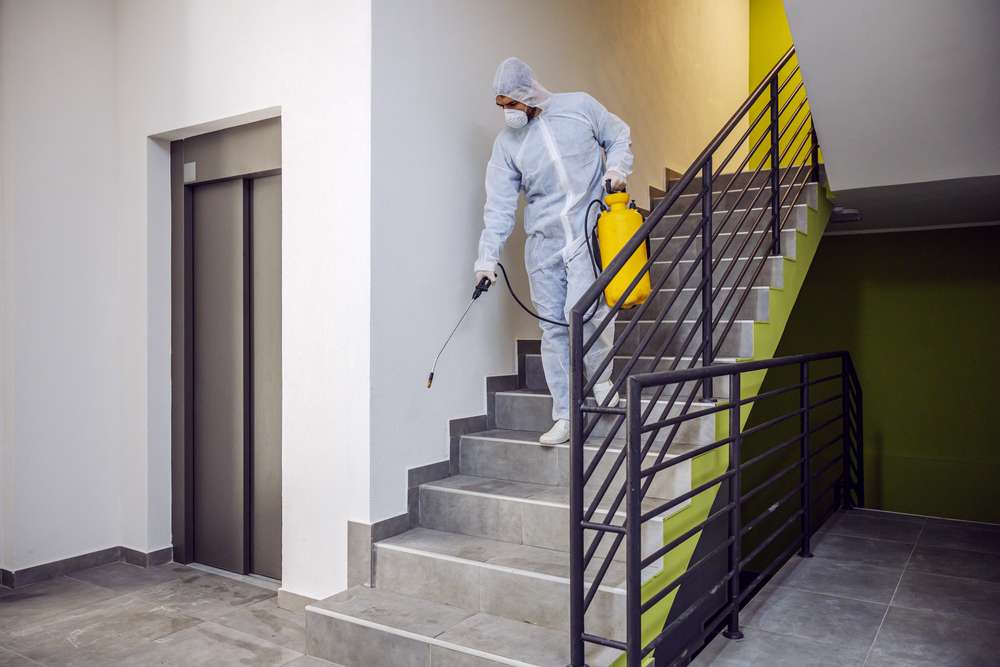
Traumatic events naturally draw attention. In a residential street or a busy commercial hub, the sight of traditional crime scene tape or high visibility biohazard suits can trigger unwanted questions and media interest. Specialist firms prioritise the use of unmarked vehicles and entering premises in plain clothing where possible, to ensure that the work is carried out without drawing attention.
Protecting Property Reputation
For landlords and estate agents, the potential loss of property value if a trauma is handled poorly can be significant. A poorly managed clean up can leave a property stigmatised or, in the worst cases, legally uninhabitable.
By ensuring a professional, documented remediation process, owners can prove that the property has been returned to a safe state, protecting both future occupants and the asset’s value. You can find out more about us to see how we approach this level of professional integrity.
The Complexities of Unattended Death Clean Up
Perhaps the most difficult area in this field is the reality of an unattended death. In the UK, as the population ages and more people live alone, this is a growing concern for local authorities and families alike.
The Chemical Reality of Decomposition
When a body is not found for several days, the natural process of decomposition releases a variety of gases and fluids. These substances are not just unpleasant; they are corrosive and highly invasive. They can permeate furniture, carpets, and even the structural timber of a building.
In many cases of unattended death, cleaning the room alone is insufficient. Often, furniture and flooring must be removed and disposed of as hazardous waste. This is why addressing an unattended death requires specialist intervention, following a staged process that includes:
- Initial Decontamination: Making the area safe for technicians to work.
- Bio Wash: Removing all biological traces.
- Deodorisation: Using advanced technology such as hydroxyl generators to break down odour molecules at a cellular level.
The Legal Requirement for Trauma Cleaners
Employers have a legal duty of care under the Health and Safety at Work etc. Act 1974 to provide a safe environment for their staff. If an accident or tragedy occurs in the workplace, the employer cannot simply ask a regular janitor to clean it. Forcing an untrained employee to handle biohazards is a breach of COSHH (Control of Substances Hazardous to Health) regulations and can lead to severe legal penalties.
The Human Side of Hoarding Clean Up Services
While hoarding clean up services might seem different from crime scene work, they often overlap. Beneath the layers of accumulated possessions, there are frequently hidden biohazards such as mould, animal remains, or expired organic matter.
The Emotional Toll
The truth about hoarding is that it is rarely about mess and almost always about mental health. A professional team does not just clear a house; they navigate the emotional attachment the individual has to their items. It requires a specific type of patience and empathy to manage these situations without causing further distress to the resident.
The Physical Risk
Hoarding environments are notoriously dangerous for the specialist. Risk factors include:
- Structural Collapse: The sheer weight of items can compromise floor integrity.
- Sharps Hazards: Hidden needles or broken glass within the piles.
- Air Quality: High concentrations of ammonia or fungal spores.
Professional intervention ensures that the property is cleared systematically, safely, and with respect for the individual’s dignity.
Breaking Down the Trauma Cleaning Process
Understanding the steps involved can help to demystify the service and provide a sense of clarity during a difficult time.
- Assessment and Quote: A thorough walkthrough, often via photographs to maintain privacy, to determine the equipment and time needed.
- Hazard Containment: Creating zones within the property to ensure no contaminants are tracked into clean areas.
- Biological Remediation: The physical removal of hazardous materials.
- Verification Testing: Many professional firms use ATP (Adenosine Triphosphate) testing to provide scientific proof that a surface is biologically clean.
- Certification: Providing the owner with a certificate of completion, which is often required for insurance purposes.
If you are currently facing a situation that requires these steps, contact us for a confidential discussion.
The Cost of Trauma Cleaning: Is It Covered?
One of the most common questions concerns the cost of trauma cleaning. Because every situation is unique, varying by the size of the area, the nature of the biohazard, and the volume of waste, prices are bespoke.
Many people are unaware that these costs are frequently covered by buildings or contents insurance. Most comprehensive policies include a provision for Accidental Damage or Biohazard Remediation. A professional cleaning company can often liaise directly with your insurance adjuster, providing the necessary documentation and photographic evidence to ensure your claim is processed smoothly.
Choosing the Right Expert in the UK
In a moment of crisis, it is tempting to hire the first company that appears in a search result. However, the sensitivity of this work requires a specific blend of technical skill and human compassion.
| Feature | Regular Cleaner | Specialist Trauma Team |
|---|---|---|
| PPE | Standard gloves and aprons | Respirators and hazmat suits |
| Chemicals | Domestic bleach and soaps | Broad spectrum biocides |
| Legal | Domestic waste disposal | Licensed hazardous waste disposal |
| Training | General hygiene | Biohazard, COSHH and trauma informed |
| Insurance | Standard Public Liability | Specialist Biohazard Liability |
Reclaiming the Space
The ultimate goal of any crime scene clean up or trauma restoration is to make the space invisible again. By the time the team leaves, there should be no visual, olfactory, or biological reminder of what occurred. This allows the healing process to truly begin, knowing that the physical environment is once again a place of safety.
A Commitment to Professionalism and Compassion
At Sentrex, we understand that we meet our clients on what is often the worst day of their lives. Our role is to absorb the physical burden of the aftermath so that they can focus on what matters most. Whether you are a landlord dealing with a neglected property or a family member facing a sudden loss, you do not have to face the clean up alone.
Trauma cleaning is, at its core, a service of restoration. It returns the environment to a safe and healthy state, giving people a proper foundation from which to recover.


