
In the aftermath of a distressing incident, the instinct for many property owners is to take control of the situation as quickly as possible. This often means a desire to clean up the scene and remove the physical reminders of what occurred.
Attempting to handle biohazardous materials without professional training, however, carries risks that are not always visible at the outset. Trauma cleaning specialists exist because these environments contain hazards that extend far beyond the reach of domestic cleaning methods. The intention behind a DIY approach is often rooted in a desire for privacy or a need to manage costs, but the reality is that cleaning a trauma scene without specialist support can lead to serious health complications, legal liability, and long-term property damage.
The Biological Threat
The most immediate danger of attempting trauma cleaning without professional support is direct exposure to blood-borne pathogens and infectious material. When a traumatic event involves bodily fluids, the site becomes a concentrated source of biological risk.
A common mistake is over-reliance on household bleach or antibacterial sprays. These products are effective against everyday bacteria but are often insufficient against the pathogens found in significant blood spills or human remains. Professional biohazard removal requires broad-spectrum biocides formulated to address viruses as well as bacteria.
The Risk of Aerosolisation
Perhaps the least visible danger arises during the cleaning process itself. Scrubbing a bloodstain or using pressurised water on a contaminated surface can aerosolise pathogens, dispersing microscopic droplets into the air where they can be inhaled or reach the eyes or mouth. Without industrial-grade respirators and properly established containment zones, a person attempting a DIY clean is being exposed to the very biohazards they are trying to remove.
Why Domestic Equipment Fails in Trauma Scenarios
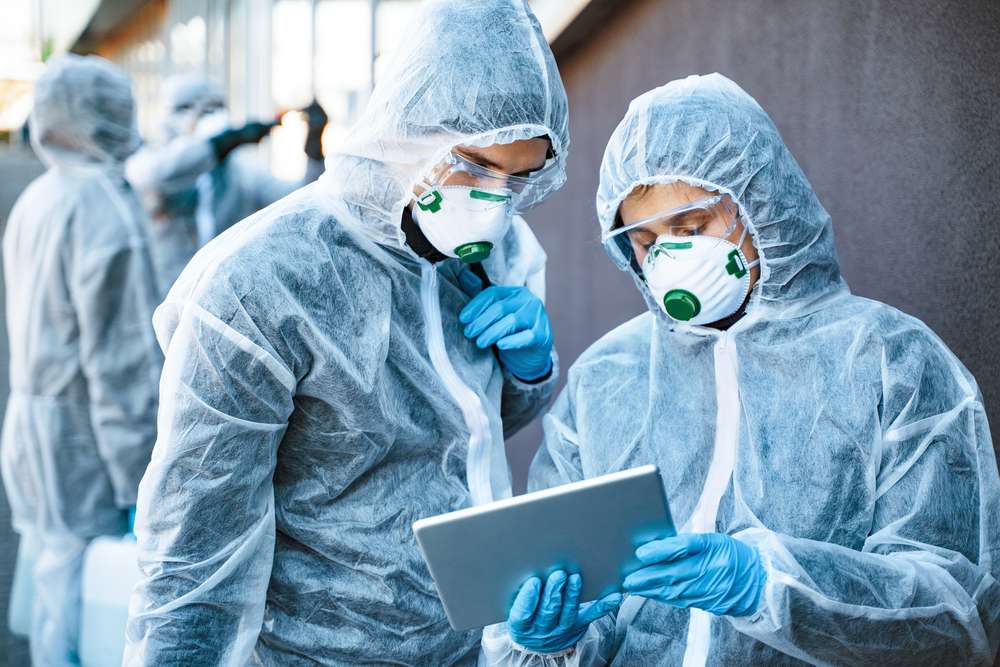
Standard household tools are designed for everyday dust, dirt, and minor spills. They are not suited to the requirements of specialist cleaning work and using them can actively worsen the situation.
A domestic vacuum cleaner used in a contaminated environment will exhaust microscopic biological particles throughout the property. A mop and bucket typically spreads contamination further rather than removing it, pushing pathogens into grout lines or beneath skirting boards. The equipment creates the appearance of progress while the biological risk remains, or increases.
What Specialist Equipment Addresses
Industrial remediation uses containment, directed application, and biological verification to ensure the environment is genuinely safe. The distinction matters because a space that looks clean but has not been verified is still a health risk to anyone who uses it.
The Psychological Burden of DIY Remediation
The physical risks of trauma cleaning are significant, but the psychological impact is often what affects people most deeply over time.
Cleaning up after the death or serious injury of a person, whether known or unknown to the property occupant, is an intensely difficult experience. The sights and smells of a trauma scene can become anchored in memory, contributing to secondary traumatisation or post-traumatic stress. Professional trauma cleaning services provide a necessary boundary between the property owner and the physical reality of the scene. Allowing a specialist team to manage the restoration is a practical decision, but it is also a meaningful step in protecting the emotional recovery of those affected.
Legal and Regulatory Obligations
In the United Kingdom, the management of hazardous waste and workplace health and safety are governed by specific legislation. Ignorance of these requirements does not reduce liability if something goes wrong.
Business owners or landlords who ask an untrained employee or a standard domestic cleaner to attend to a trauma scene are likely in breach of COSHH regulations. These rules require that anyone handling hazardous substances has the correct training, appropriate vaccinations, and suitable PPE. A breach can result in fines and legal claims from individuals who become ill as a result of the exposure.
Environmental Legislation and Waste Disposal
Biohazardous waste cannot be disposed of in the general waste stream. Placing it in a standard bin or taking it to a civic amenity site is a criminal offence. Specialist firms operating legally must comply with the Environmental Protection Act 1990, ensuring that all contaminated waste is tracked through the disposal chain and destroyed via high-temperature incineration. Our accreditations reflect the compliance level required to carry out this work lawfully.
The Financial Reality
At first glance, managing a scene without specialist support appears to reduce cost. In practice, DIY attempts frequently produce higher long-term expenditure.
Properties that are not professionally remediated can retain the odour of decomposition or develop hidden mould growth, making them difficult or impossible to sell or let. Many insurance providers also require certified professional remediation as a condition of paying out on property damage claims. Where a DIY attempt has caused further damage, such as water damage from improper cleaning methods, the claim may be rejected in full.
The Complexity of Specific Scene Types
Different types of incidents present distinct challenges that a non-specialist is unlikely to anticipate.
Unattended Death
In cases involving an unattended death, the body releases fluids that are chemically complex. These can damage certain surface finishes and react with household cleaning products to produce harmful fumes. Odour from decomposition cannot be addressed with standard products. Without professional-grade neutralisation, the smell can persist in a property for years.
Crime Scene Residues
A crime scene clean up frequently involves more than biohazardous material. Forensic examination teams use dusting powders and chemical agents to gather evidence. These substances are difficult to remove and can be abrasive or staining if handled without the right approach. Where the incident involved sharps, the risk of needlestick injury is also present for anyone working without proper protective equipment.
Hoarding Environments
In hoarding clean up situations, the primary dangers are often structural. Accumulated possessions can conceal weakened flooring, black mould colonies, or pest infestations. Attempting to clear these spaces without a prior risk assessment can result in physical injury from debris or sudden exposure to concentrated allergens and spores.
What Professional Trauma Cleaning Involves
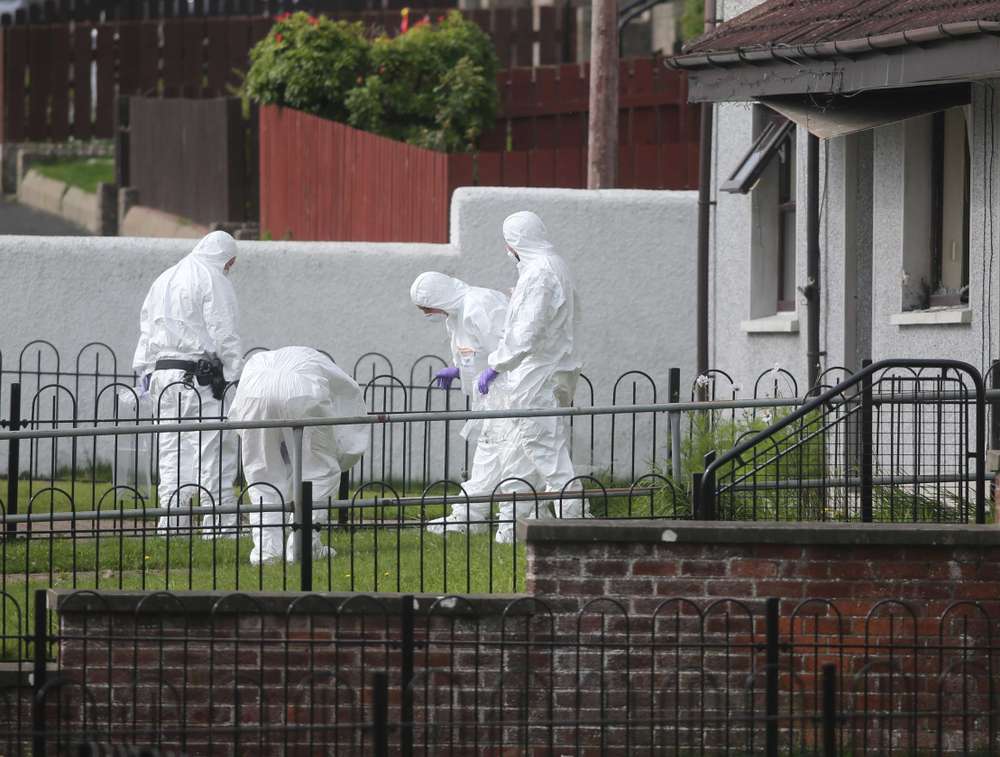
When a specialist team is engaged, the process is structured to address each of the risks described above.
- Risk Assessment — the site is surveyed to identify biological, chemical, and structural hazards before work begins.
- Protective Equipment — technicians wear multi-layer chemical-resistant suits and full-face respirators throughout.
- Industrial Remediation — ultra-low volume fogging and broad-spectrum biocides are used to reach every surface, crack, and cavity.
- Discreet Logistics — unmarked vehicles are used to protect the privacy of the property owner.
- Certification of Completion — a formal document confirming the property has been verified as safe, which is essential for landlords, employers, and insurance providers.
To discuss how this process applies to your specific situation, contact us for a discreet and considered consultation.
Conclusion
Trauma cleaning is not a cleaning task. It is a medical and environmental restoration process, governed by regulation and requiring specialist equipment, training, and documentation.
The risks of approaching it without professional support include exposure to infectious pathogens, legal liability, insurance complications, and long-term property damage. Scheduling professional cleaning services through an accredited specialist removes those risks entirely and provides a clear record that the work was carried out to the required standard.
At Sentrex, we help property owners and businesses across the UK manage these situations with the precision and sensitivity they require. By allowing our team to take over, clients take the fastest and safest route to a verified, compliant resolution.


