
In retail hygiene, the real threats are often invisible. They hide in the places customers touch most but inspect least. For retail managers and business owners, these overlooked areas represent a genuine risk to customer health, staff wellbeing, and brand reputation.
This guide exposes the dirtiest places in stores that rarely receive attention, ranks them by risk level, and provides practical steps to ensure your store is not just visually clean but genuinely safe.
The Illusion of Cleanliness
A shelf might be perfectly faced and a counter free of clutter, but that does not mean they are hygienic.
Hundreds of people pass through a store daily, handling products, touching surfaces, and coughing or sneezing. Unlike a hospital, where sterilisation is constant, a store relies on periodic cleaning. If that schedule misses the high touch zones that are easy to overlook, germs accumulate quickly.
Understanding where those zones are is the first step in protecting your customers. It is also central to customer retention. In a post-pandemic world, shoppers are more hygiene conscious than ever. To understand how deeply this affects perception, it is worth reading our guide on 8 things shoppers notice about store cleanliness immediately.
High Risk: High Touch Areas
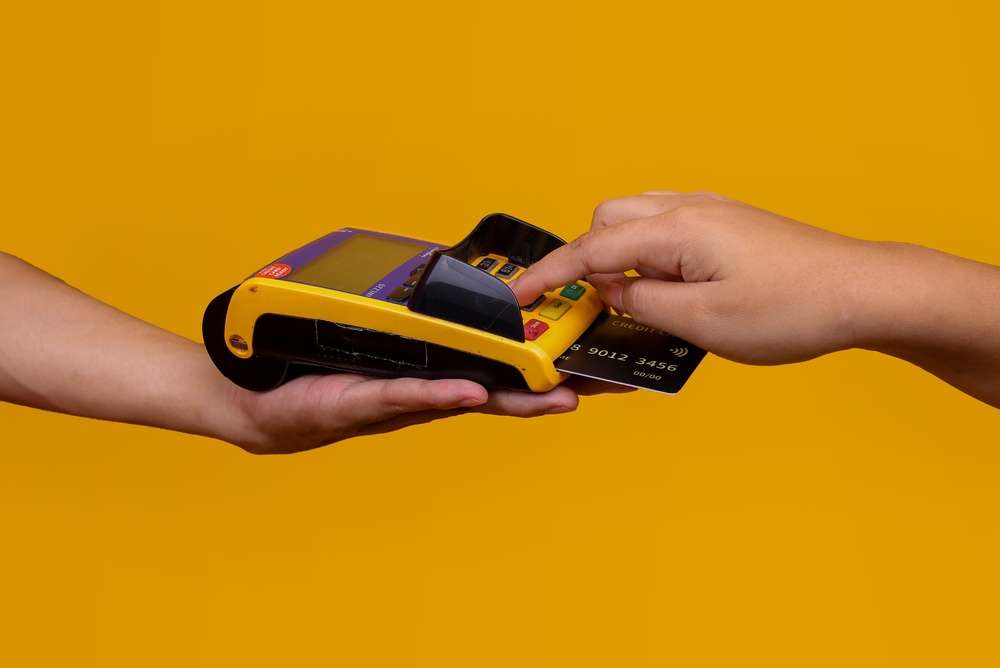
These are the surfaces touched by almost every customer, often with bare hands, where the transfer of pathogens is most likely.
1. Chip and PIN Machines
Consider the journey of a finger on a keypad. A customer sneezes, covers their mouth, and then types in their PIN. The next customer does the same. Payment terminals can carry significantly higher bacterial loads than many surfaces that are cleaned far more regularly. Toilets are disinfected with strong chemicals on a set schedule; PIN pads are often wiped with a dry cloth or skipped entirely to avoid damaging the electronics.
Alcohol-based wipes safe for electronics should be used frequently, ideally every few hours in high footfall stores.
2. Shopping Trolleys and Basket Handles
This is arguably the most contaminated item in any supermarket or large store. A trolley handle is gripped tightly for the duration of a shop, often 30 to 45 minutes, absorbing sweat, oils, and bacteria from hands. Unlike a door handle, which is touched briefly, the prolonged contact time promotes consistent bacterial transfer.
Sanitising wipe stations at the entrance provide a practical first line of defence. A scheduled deep clean where trolleys are steam cleaned or pressure washed regularly is equally important.
3. Self Service Kiosks
Touchscreens are high contact surfaces that accumulate fingerprints and bacteria throughout the day. Because the electronics generate warmth, they can create conditions where bacteria survive longer than on cooler surfaces. These screens require specific antiviral cleaners that are safe for screens. Wiping them with a general cloth moves the bacteria around rather than removing it.
Medium Risk: The Subtle Accumulators
These areas are touched less frequently or are less conducive to bacterial survival, but they still harbour significant contamination if left unaddressed.
4. Fridge and Freezer Door Handles
In grocery stores and newsagents, the grab and go section sees constant traffic. The cool, often damp environment of a fridge door handle can encourage mould and bacterial growth. These handles often develop a sticky residue that goes unnoticed until a customer grips it, at which point the impression has already been made.
5. Conveyor Belts at Checkouts
Fresh produce, often unwrapped, is placed directly onto rubber checkout belts. Yet these belts are porous and can trap juices from leaking meat packaging, soil from unwashed vegetables, and general debris. Older belts frequently show staining that points to significant bacterial build-up over time. Belts should be stopped and scrubbed with food safe degreasers daily, not simply wiped while still moving.
Low Risk: Hidden Dust Traps
These areas are unlikely to cause illness directly, but they signal to customers that the store is not as well maintained as it should be.
6. Underneath Shelving Units
The gap beneath the bottom shelf is a common accumulator of dust, lost receipts, and dropped packaging. Customers rarely touch this area, but they see it every time they reach for a product on the bottom shelf. Addressing it properly requires moving stock or using specialist vacuum attachments, making it a natural part of a scheduled deep clean carried out by retail cleaning services.
The Forgotten Zone: Staff Areas
When discussing retail hygiene, attention almost always falls on the sales floor. The dirtiest area in the building may well be where your staff eat their lunch.
Break rooms carry genuine risk because all staff pass through them during shifts. The handle of the communal kettle, the buttons on the microwave, and the door of the staff fridge are touched by everyone, often before hands have been washed.
If illness spreads through a team, the resulting staffing shortages can seriously disrupt operations. A poorly maintained break room is not just a hygiene concern; it is a business continuity risk. Staff areas deserve the same standard of attention as customer-facing spaces.
For more on managing high traffic environments, see our guide on best cleaning routines for high traffic retail spaces.
There will be occasions when staff carry out localised cleaning between professional visits. In those situations, ensure your team has access to appropriate Personal Protective Equipment (PPE) and is trained on COSHH (Control of Substances Hazardous to Health) regulations. Incorrect use of cleaning chemicals carries its own risks.
In House vs. Professional Cleaning: Making the Decision
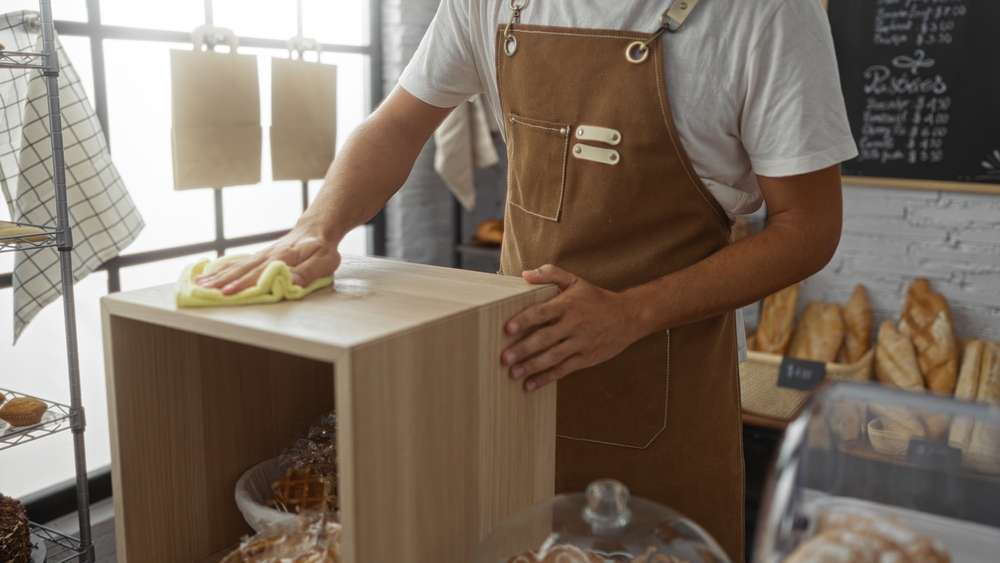
In many independent retailers, cleaning falls to the sales team. This works for light maintenance but rarely achieves the standard of infection control that genuine retail hygiene requires.
Sales staff are hired to serve customers. When deep cleaning is added to their responsibilities, it is typically carried out quickly at the end of a shift, when attention is low. This is how the overlooked spots get missed: the PIN pad is skipped, the fridge handle is ignored.
Working with a professional cleaning partner removes that burden. It means retail cleaning is treated as a specialist function rather than an afterthought. Professional teams use equipment such as steam cleaners and floor buffers that a standard store cupboard does not hold. They also bring the objectivity needed to identify the contamination that regular staff have stopped noticing.
For those weighing up the commercial case, our piece on retail cleanliness, sales and customer experience sets out the tangible benefits in more detail.
The Commercial Value of Hygiene
The dirtiest places in your store are not necessarily the ones that look the worst. They are the ones that pose the greatest risk of cross-contamination.
Shifting focus from visible cleanliness to genuine hygiene protects customers and staff. It also protects your reputation. In a competitive retail environment, stores that maintain consistent standards build stronger customer confidence and longer-term loyalty.
At Sentrex, we work with retailers across the UK to identify and address hygiene risks that standard cleaning routines miss. From daily contract cleaning to specialist deep cleans, we ensure every surface is safe. Contact us to discuss how we can help, or find out more about us and our accredited services.


