
Cleaning standards, especially in spaces that operate within the realms of the medical world, whether it’s a GP practice or hospital etc, is incredibly important. Medical facilities have standards they must adhere to in order to ensure client/worker health, and preventing further illness due to unhygienic practices.
In this blog, we will discuss meeting industry cleaning regulations – A guide for facility managers.
Sentrex Services stands as a leading provider of comprehensive cleaning and hygiene solutions, serving a vast region from the Northwest to the Southeast of England. With a dedicated team of over 600 professionals, we deliver bespoke cleaning services tailored to the unique needs of each commercial client.
Why does cleaning compliance matter for facility managers?

Compliance in itself, especially when it comes to industries, are a set of rules that must be followed. In the case of cleaning compliance for facilities, it is absolutely vital, here’s why:
Health and safety
Compliance is fundamentally about protecting people. A compliant cleaning program prevents a wide range of hazards, from slips and falls caused by wet or cluttered floors to the spread of infectious diseases.
This proactive approach also supports employee well-being and can lead to fewer sick days. And helps with adherence to regulations such as workplace (Health, Safety & Welfare) Regulations 1992.
Avoiding severe legal and financial penalties
Non-compliance can have serious consequences. A facility manager’s failure to meet legal cleaning standards can lead to significant fines, legal action, and sometimes imprisonment for severe negligence.
Breaches of regulations like COSHH can result in penalties from the Health and Safety Executive (HSE). Non-compliance can also void insurance claims and lead to costly lawsuits if someone is injured due to poor cleanliness.
Protecting the organisation’s reputation
An unclean or unsafe facility can quickly damage a company’s reputation. In today’s interconnected world, negative news about poor hygiene or safety incidents can spread rapidly.
A strong commitment to cleaning compliance demonstrates professionalism, attention to detail, and a genuine concern for people’s well-being. This builds trust with employees, clients, and other stakeholders, which is crucial for retaining talent and attracting business.
Promoting operational efficiency and asset longevity
Proper cleaning is a form of preventative maintenance. Consistent cleaning, in line with industry standards like SFG20, helps extend the lifespan of a facility’s assets, including flooring, machinery, and equipment.
This reduces the need for expensive repairs or replacements. A clean and well-organised workspace also contributes to a more productive environment by creating a positive atmosphere and reducing clutter and other distractions.
Maintaining an auditable system
For facility managers, compliance isn’t just about the act of cleaning—it’s about having a documented, well-managed system. This involves creating and maintaining records of cleaning schedules, audits, staff training, and risk assessments.
When regulatory bodies like the CQC or HSE conduct an inspection, this documentation is essential for demonstrating that the facility is “well-led” and has robust processes in place to ensure ongoing quality and safety.
What are the industry cleaning regulations a facility manager should be aware of?
A facility manage must be aware of a wide range of regulations and standards related to cleaning, as they are central to ensuring a safe, healthy, and compliant working environment for everyone.
These regulations go beyond a superficial clean, and are enforced by bodies like the Health and Safety Executive (HSE) and, in specific sectors, the CQC. Here are the key industry cleaning regulations a facility manager needs to be aware of:
1. Health and Safety at Work Act 1974
This is the foundational law that places a general duty on employers to ensure a safe and healthy workplace. It’s the overarching regulation that makes proper cleaning and hygiene a legal requirement for protecting employees.
As an employer, one of the responsibilities is ensuring dedicated cleaning staff and services that are compliant within regulations.
2. Workplace (Health, Safety and Welfare) Regulations 1992
This regulation provides specific details on workplace cleanliness. It mandates that all workplaces must be kept clean, waste must be managed properly, and floors must be kept safe from hazards like spills and obstructions. It also covers the provision of adequate washing and sanitary facilities.
3. COSHH Regulations 2002
These regulations specifically deal with the safe handling and use of hazardous cleaning chemicals. A facility manager must assess risks, implement control measures (like PPE), and provide training to staff on how to safely handle, store, and use cleaning products to prevent exposure.
4. Industry-specific regulations
Cleaning standards become much more detailed depending on the sector. For example, medical facilities must follow CQC standards and the National Standards of Healthcare Cleanliness, while food premises have to comply with regulations from the Food Standards Agency to prevent food contamination.
5. Other relevant regulations
Beyond the main laws, facility managers must also be aware of other regulations that impact cleaning operations. These include RIDDOR (for reporting serious accidents, like slips and falls), waste management regulations (for proper waste disposal), and Manual Handling Operations Regulations (for preventing injuries to cleaning staff).
How does Sentrex help with industry cleaning regulations?
Professional cleaning services, especially a provider like Sentrex, provides a structured, expert approach to cleaning. With a vast knowledge of cleaning compliance requirements of many industries, here’s how Sentrex’s expertise can help you:
- Risk management: They proactively assess facility risks and create tailored cleaning plans, fulfilling your legal duty to maintain a safe environment. This means a full understanding of your personal requirements, compliance requirements, and certain needs expected from various industries.
- COSHH expertise: They manage all hazardous cleaning chemicals and provide a complete, documented system for their safe use, handling, and storage, ensuring your compliance with COSHH regulations.
- Sector-specific knowledge: For regulated industries like healthcare, they provide specialised services that adhere to CQC standards, including Infection Prevention and Control (IPC) protocols and waste management.
Auditable documentation: Sentrex provides a fully auditable quality management system, offering the necessary reports and records to prove your compliance during regulatory inspections. In a nutshell, this means that we keep a thorough record of our work and results with clients, allowing them to confidently breeze through compliance assessments.
Medical facility cleaning services for GP surgeries
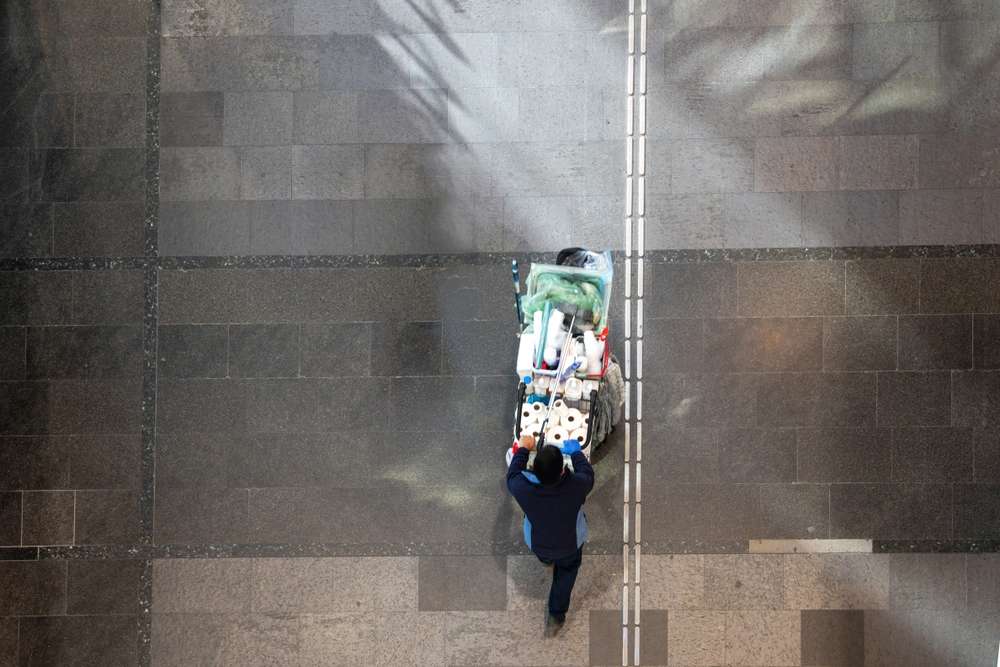
Sentrex Services stands as a leading provider of comprehensive cleaning and hygiene solutions, serving a vast region from the Northwest to the Southeast of England. With a dedicated team of over 600 professionals, we deliver bespoke cleaning services tailored to the unique needs of each commercial client.
At Sentrex, we prioritise commercial, industrial, and specialist cleaning services. Our services aren’t just a standard once-over, we ensure a comprehensive and individually tailored approach perfect for any site.
Here is a list of the services we provide:
- Chemical degreasing
- Steam cleaning
- Pressure washing
- Power-scrubbing
- Auto-scrubbing
- Stain and spill removal
- Debris and dust removal
- Power-scraping
- Sanding, and shot-blasting
- Vacuuming
- High-speed burnishing
- Spray buffing, waxing, and stripping
- Low moisture bonnet cleaning
- Deep extraction
- Commercial carpet cleaning
- Trash clean up


